
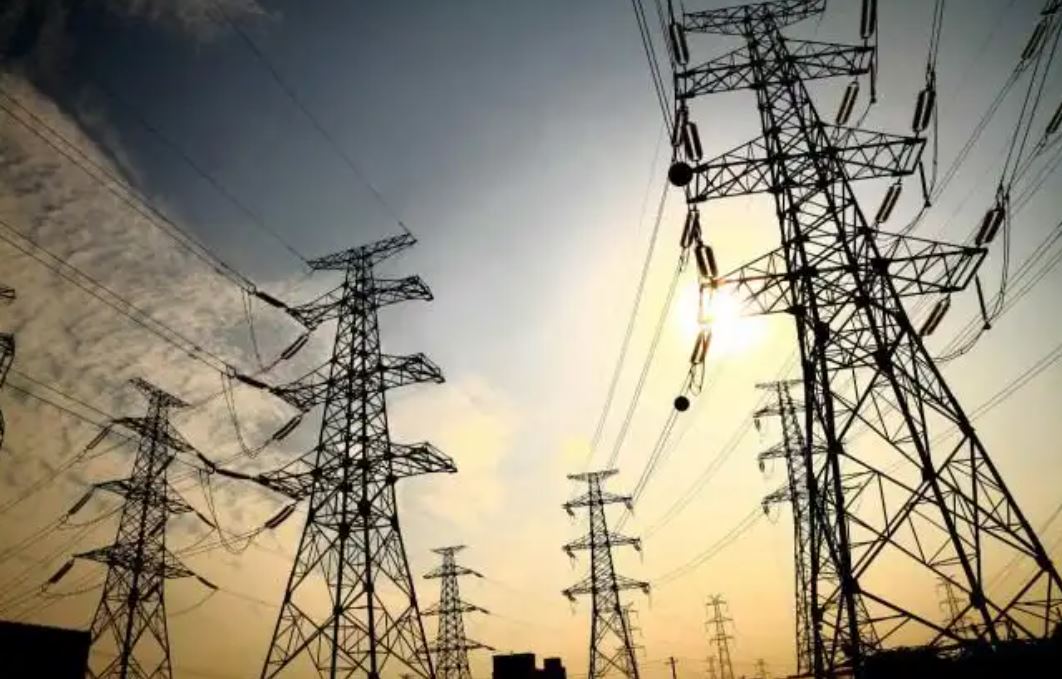
The Guatemalan Chamber of Industry (CIG) pointed out that some transmission and electricity generation projects They face delays due to decisions that they classify as “outside the law,” taken by some local authorities. The Chamber called for clear rules to be maintained and legal certainty to be guaranteed.
The pronouncement of the industrial sector occurs within the framework of the statements of directors of the National Electric Energy Commission (CNEE), which they offered during a summons in Congress. There it was stated that the delays in the development of the electrical transmission network derive from decisions by mayors who, based on municipal autonomy, violate legal certainty. They added during that summons that it also affects energy generation companies that, after having all the studies, can no longer carry out their projects because the mayor requests unregulated payments.
The Chamber states in a statement that the Political Constitution of the Republic recognizes electrification as “a national priority that must be promoted through coordination between the State, municipalities and private initiative”; but he noted that both transmission and electricity generation projects face delays due to mayoral decisions.
The CIG indicates in its publication that the unjustified alteration or cancellation of projects with current licenses generates Legal uncertainty affects investor confidence and puts at risk the development of energy infrastructure that is key for the country.
“This lack of certainty not only delays the growth of the electrical system, but also exposes the State to international litigation, the costs of which end up being paid by Guatemalans,” the entity added in the statement. It also expresses its rejection of any action or pressure from municipalities that interferes with legally authorized projects.
These types of actions not only affect the rule of law and the reputation of Guatemala as an investment destination, but the paralysis of new energy infrastructure projects It makes electrical service more expensive, limits access to more efficient energy sources and increases the risks to the stability of the system, which has an impact on the country’s competitiveness and the development of municipalities and communities, explains the CIG.
“Municipal autonomy must be exercised in harmony with national planning. It does not constitute a mechanism to block projects of public interest that contribute to the economic and social development of Guatemala,” says the business chamber, which is why it called on local authorities to guarantee clear rules, legal certainty and conditions that allow the development of electrical infrastructure.
Read also: “The delay in energy projects has an impact on high prices”
The industrial sector calls to guarantee legal certainty and clear rules for the development of energy projects. Electrical infrastructure is key to the competitiveness, investment, employment and well-being of Guatemalans.
Read the full position here:… pic.twitter.com/aPItPHNu6f
— Chamber of Industry of Guatemala (@industriaguate) June 17, 2026
The CIG’s statement came just days after the Municipality of Mazatenango suspended work on the Xochi highway, arguing that they did not have the renewals of the construction licenses. Finally, representatives of the Xochi Corridor and the commune reached agreements on the extension of the license and the project could be inaugurated.