
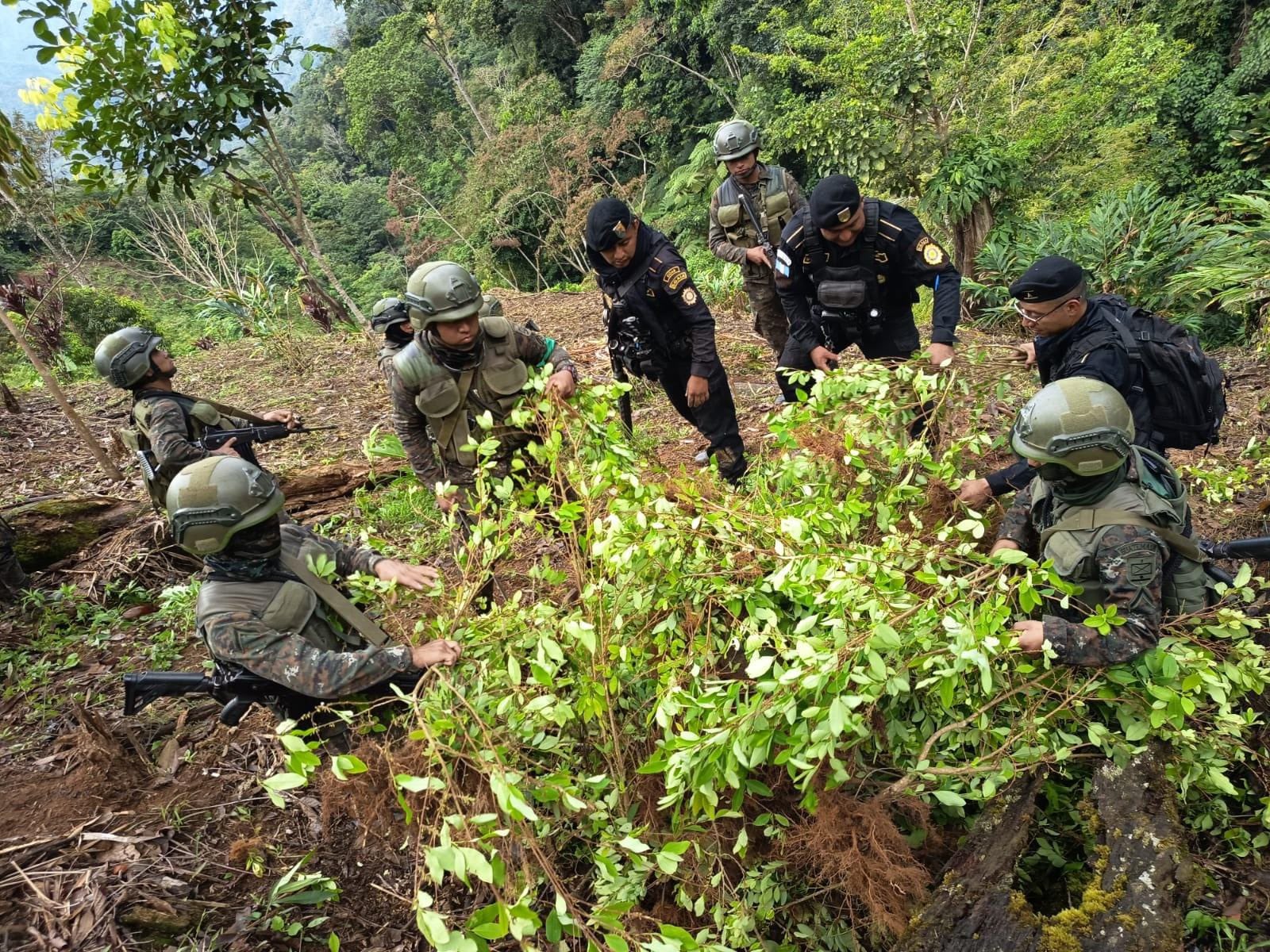
He drug trafficking and transnational organized crime pose increasing challenges for Guatemalaparticularly in Peten and others border areas where limitations persist to exercise territorial control, according to Robert Evan Ellisspecialist in hemispheric security of the Strategic Studies Institute of the US Army War College.
During an interview with Free Press Radio, Ellis pointed out that the activities of criminal groups in the region have evolved in recent years, which has increased pressure on the institutions in charge of security.
The analyst recalled recent episodes, such as incursions by criminal groups from Mexico and clashes recorded in border areasin addition to the persistence of routes used for drug trafficking and other illicit activities.
In his opinion, these phenomena show the need to strengthen the state presence in strategic corridors and maintain closer coordination with regional partners, particularly with the United States and Mexico.
Concern for strategic corridors
Ellis affirmed that Guatemala continues to be a transit country for drug trafficking, although he observes worrying signs of an expansion of other criminal activities within the national territory.
The expert mentioned the discovery of cocaine processing laboratories, as well as the input of chemical precursors used for the preparation of synthetic drugsfactors that he considers signs of a gradual transformation of criminal operations in the region.
“What I see is a concern about the expansion of all these activities, which requires a stronger state presence, especially in certain areas that are like corridors for mobilization and certain remote access areaslike this national park in Petenin addition to departments such as Huehuetenango and Saint Mark”, he indicated.
According to Ellis, the absence or limited state presence in some territories could make it easier for activities that currently have a reduced scale to evolve into more complex criminal structures.
Limited capabilities
The analyst also expressed concern about the capacities available to exercise territorial control in areas used by criminal structures.
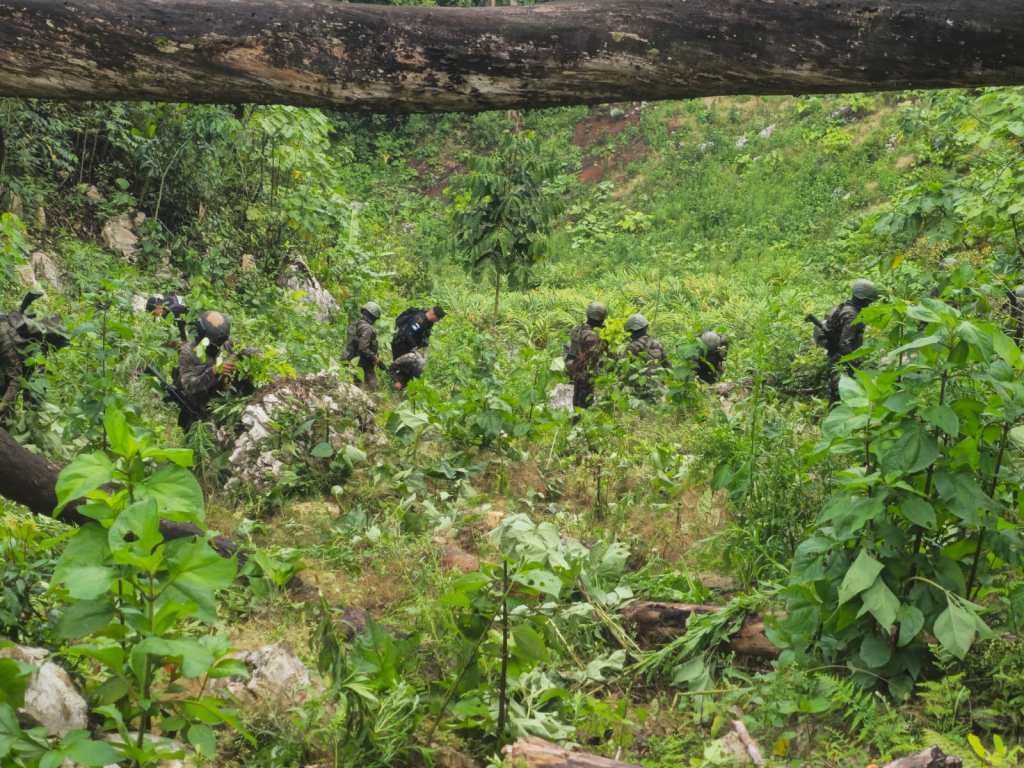
“I am concerned that until now, due to lack of resources, the Guatemalan Army has difficulty covering these areas. The high mountain brigade is not really equipped to operate like a high mountain brigade and the jungle brigade is not well equipped to cover Petén”he stated.
Ellis added that he has known of cases that reflect mobility limitations to attend operations in remote areas of the country.
“I have heard stories of soldiers walking to operations in Petén due to lack of air transport, for example”he pointed out.
In addition, he indicated that the country faces difficulties in responding to other forms of drug trafficking. “Guatemala tries to intercept drug flights with helicopters, with radars, which works little. So, all this production, transit and other illicit activities continue to represent a challenge,” he commented.
“Without more state capabilities to put control over the national territory, these big problems become even bigger. That is my concern,” he warned.
Cooperation with the United States
Faced with this panorama, Ellis considers that the Cooperation between Guatemala and the United States can contribute to strengthening national capabilities.
The analyst highlighted that bilateral collaboration already includes training, intelligence exchange, support for special forces and projects to strengthen maritime and logistics capabilities.
He also interpreted the recent lifting of restrictions on the acquisition of US military equipment as a show of confidence towards Guatemala and a sign of interest in deepening cooperation.
“What I see with this new change is a recognition of the trust that the United States has in Guatemala and this desire to continue cooperating more closely,” he stated.
However, he clarified that bilateral support is not recent. “It is not something completely new. This cooperation in weapons, training and capabilities has been going on for many years,” he added.
For Ellis, the main challenge is to strengthen the institutions in charge of security and expand the operational capabilities of the State to respond to a threat that continues to evolve in the region.