
The increase in the prices of chemical fertilizers and Guatemala’s dependence on imported inputs have led producers and agricultural companies to look for alternatives to reduce costs and guarantee supply.
These options have become more relevant in recent years due to geopolitical tensions, disruptions in supply chains and fluctuations in international markets, which affect the availability and price of these products.
Among the alternatives that have begun to gain ground is the production of organic fertilizers made from agricultural waste and microorganisms.
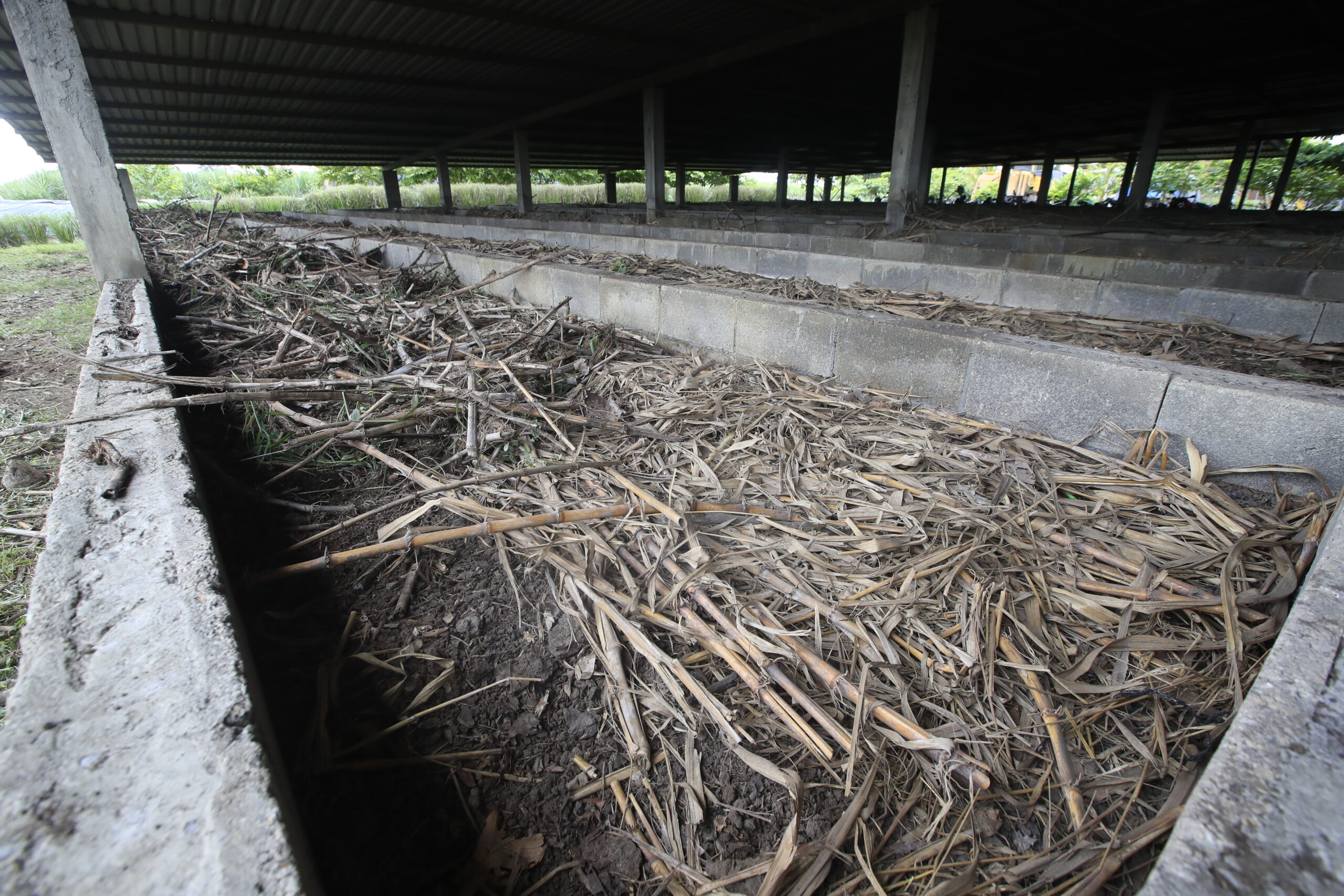
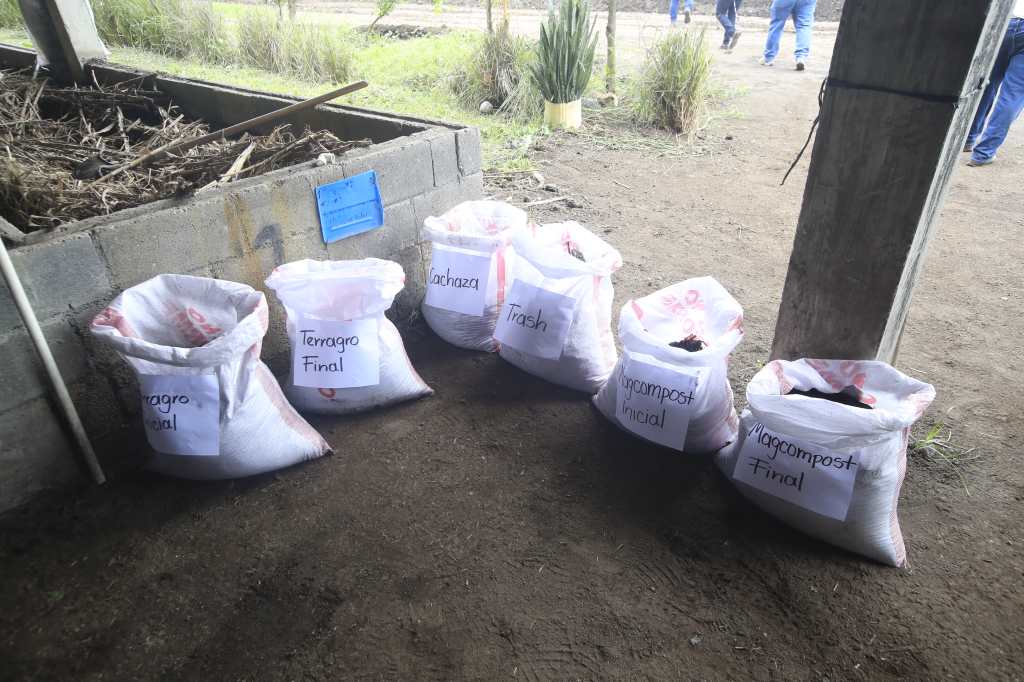
On the south coast, the Magdalena Mill has promoted the production of compost from cachaça – a by-product generated during the processing of sugar cane – as well as microorganisms developed in its laboratories.
According to the company, these inputs allow them to replace part of the chemical fertilizers that they traditionally purchase in the international market. The strategy is part of a circular economy model that seeks to take advantage of the waste generated during sugar production to return it to the soil.
According to Carlos Arce, agricultural director of Magdalena, compost made from cachaça can replace between 20% and 30% of the chemical fertilizer used in crops.
Below is an excerpt from the conversation he had with Free press.
How is the increase in the prices of chemical fertilizers impacting the agricultural sector and what measures has Magdalena taken to address this situation?
Currently there is a relevant context marked by the increase in the costs of chemical fertilizers, with increases that reach between 50% and 60%. This has a direct impact on the agricultural operation from an economic point of view.
Given this scenario, in Magdalena we have strengthened the use of organic resources, such as compost and mycorrhizae, which are microorganisms of natural origin. With this we seek a double purpose: to partially reduce the economic impact derived from the increase in chemical fertilizers and, at the same time, improve soil conditions by incorporating products that promote oxygenation and increase organic matter.
Guatemala relies heavily on imported fertilizers. What implications does this situation have and how are you responding to that challenge?
The dependence on products from abroad means that any international situation, whether a conflict, logistical problems or changes in the markets, has repercussions on the country and on production costs.
For this reason, at Magdalena we have promoted the production of organic fertilizers under a vision of sustainability and circular economy. This does not completely eliminate dependence on external inputs, but it does reduce it. In addition to generating an economic benefit, these practices contribute to improving the management of soil and natural resources.
How do they produce these organic fertilizers and what results have they obtained?
During the sugar production process, different byproducts are generated. One of them is cachaça, a waste derived from the grinding of sugar cane.
This material is subjected to a natural decomposition process that allows it to be enriched with microorganisms and nutrients. The result is a compost that can replace between 20% and 30% of the chemical fertilizer used in crops.
In addition, we have laboratories where we produce fungi and bacteria that are later incorporated into the soil. These microorganisms interact with naturally present organisms and contribute to nutrient replenishment and enrichment.
In this way, we seek to return to the soil part of the nutrients that the sugarcane extracts during its growth and strengthen its productive capacity.
What role do you think companies, the Government, academia and communities should play to promote these types of practices?
We consider that the interaction between private companies, the Government, educational entities and communities is essential to promote economic development and strengthen local capabilities.
In our case, we promote these types of links because they allow us to generate opportunities for small economies, microenterprises and communities. More than an isolated strategy, we see it as a work plan aimed at the joint development of all the actors involved.
We also promote the hiring of people from nearby communities and promote the acquisition of products and services from small local businesses, thus contributing to the strengthening of the economies around us.
What opportunities do you see for the future of the agricultural sector in the face of fertilizer-related challenges?
There are many opportunities because agriculture is a constantly evolving activity. In the case of the sugar industry, the last 20 or 30 years have been marked by important transformations driven by the need to optimize resources and improve efficiency.
The search for alternatives to conventional fertilizers is an example of this. Two decades ago there was no talk of issues such as the cogeneration of energy from sugar cane by-products, the production of alcohol derived from its processing or the manufacture of compost for agricultural use.
Innovation and the development of new products continue to open opportunities to find solutions that reduce costs, make better use of resources and reduce dependence on external inputs.
What is the main challenge facing the sector in terms of fertilization in the coming years?
The international political and economic situation has forced companies to rethink their production models and look for alternatives that reduce dependence on external inputs.
In our case, the use of organic products already allows us to replace around 30% of chemical fertilizer. However, the challenge remains to move towards an even greater reduction of that dependence.
Currently, an important part of the inputs continues to come from abroad, so the objective is to continue developing alternatives that will gradually reduce that need. We consider it to be a short and medium-term challenge, but also an opportunity to strengthen the sustainability and resilience of agricultural production.