
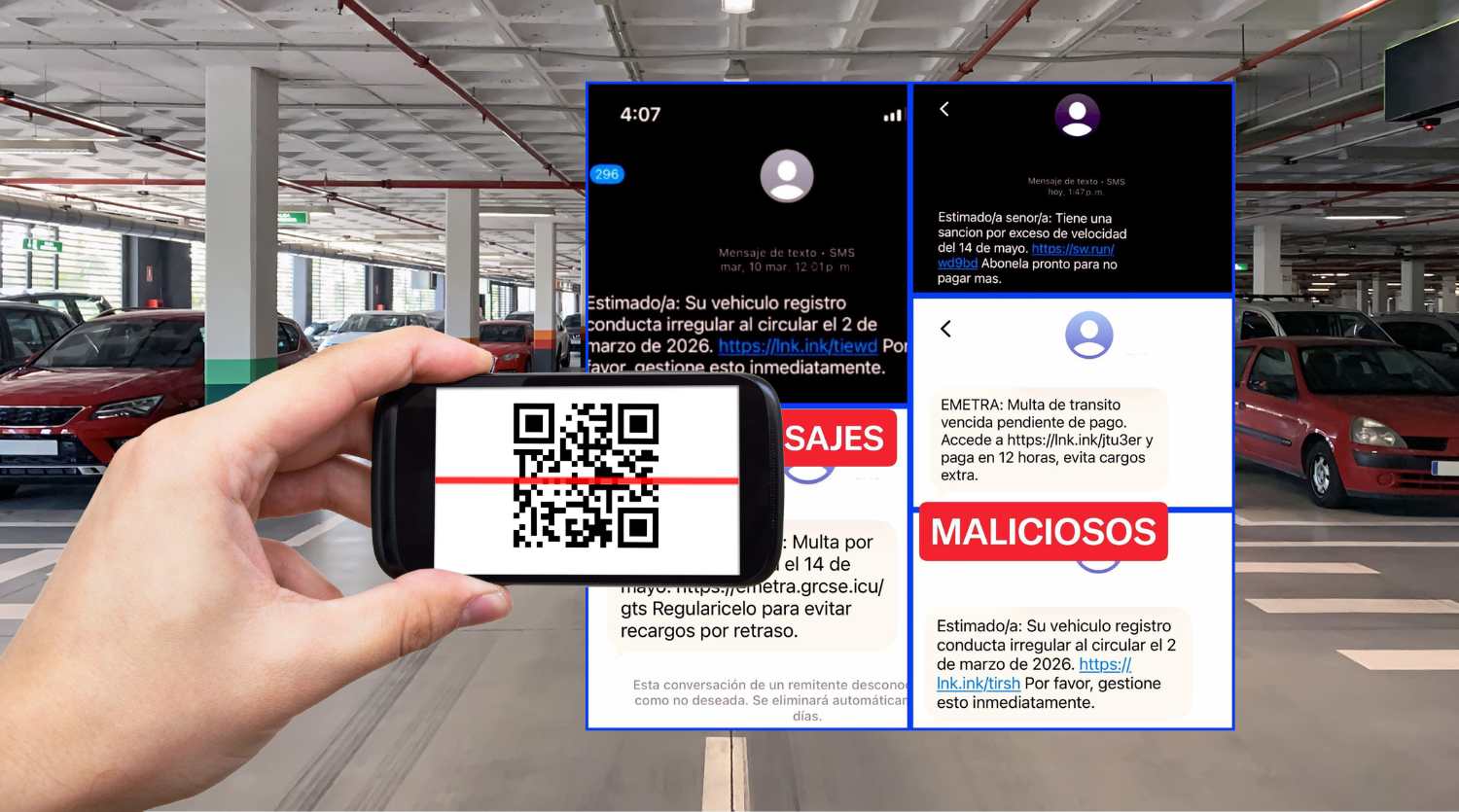
The Municipal Traffic Police of Guatemala warned that it continues in increased circulation of fraudulent messages that simulate traffic fines, a modality that is now not only limited to text messages, but has also been extended to emails and messaging applications such as WhatsApp.
According to the institution, the volume of reports has grown significantly.
Currently, around 40 phone numbers associated with these fraud attempts and have been received approximately 150 complaints from citizens who have been contacted or tried to deceive.
The complaints have already been transferred to the Public Ministry for investigation.
New modalities detected
According to the PMT, the most frequent modality continues to be sending text messages with malicious links that simulate notifications traffic fines.
However, now attempts have also been detected through emails and messages on WhatsAppexpanding the scope of the scam.
“Yes, text messages are increasing. Now on networks we have captured about 40 numbers and about 150 complaints through notices or alerts,” indicated Amílcar Montejo, spokesperson for the transit institution.
The authorities explain that in most cases the links direct to fake pages that request personal and financial data, with the aim of compromising bank accounts or mobile devices.
How frauds operate
This type of scam, known as smishing When carried out by SMS, it seeks to generate urgency in the victims through alleged fines or sanctions pending payment. Upon entering the link, users are redirected to fake portals that imitate official platforms.
In some cases, the use of fraudulent QR codes placed in physical spaces or disseminated on social networks, a technique known as quishing.
Also read: How to lock a stolen phone, track it and even erase the data
The PMT has reiterated that the institution does not issue notifications of fines through links sent from unknown numbers nor does it request sensitive information through these means.
The institution has confirmed at least one case of direct impact, in which a person entered their data on a fraudulent site, which led to the possible violation of their bank account.
Additionally, some users have reported failures on their devices after accessing the links, such as application crashes or system restarts, suggesting the possible installation of malicious software.
Recommendations
The PMT insists on a series of preventive measures:
- Do not open links sent by unknown senders
- Do not scan QR codes of dubious origin
- Do not provide personal or banking information
- Verify information only in official channels
- Block and report suspicious numbers
“Our basic recommendation is that you do not access these links, let alone comply with the sensitive data requirements”reiterated the institution.
They investigate
The PMT confirmed that formal complaints have already been filed with the Public Ministry to follow up on these cases and determine the origin of the numbers used in the frauds.
The institution’s spokesperson also warned that attempts to duplication of WhatsApp accounts associated with these practices, which increases the risk for users.
The authorities reiterate the call to the population to remain alert to this type of digital scams that continue to evolve.