
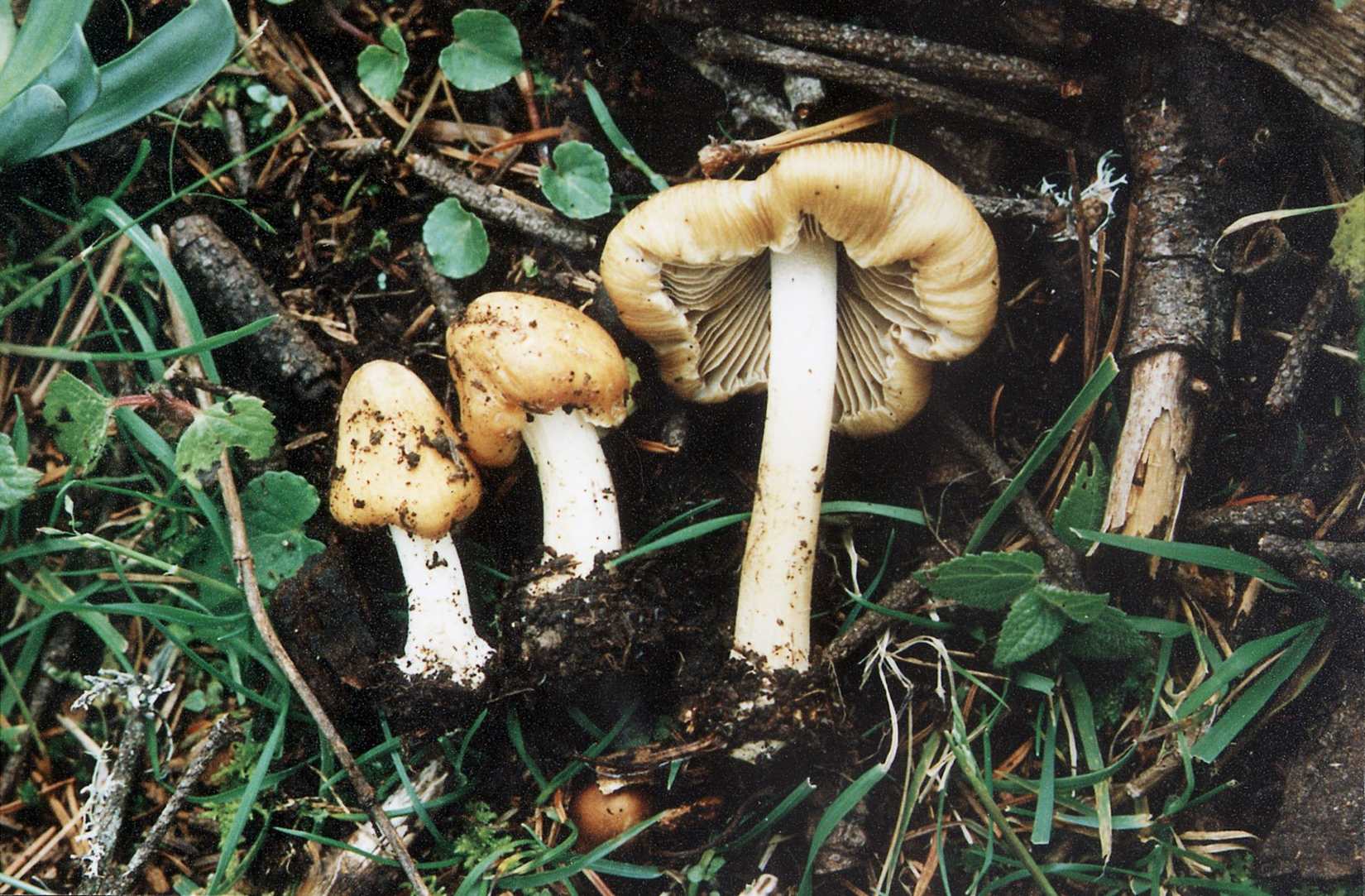
Guatemala is one of the countries with the greatest biological wealth in the Central American region, since its forests are home to an enormous diversity of species that has not yet been fully studied. Among this biodiversity are different species of edible native mushrooms, organisms that, in addition to fulfilling important functions in ecosystems, could contain natural compounds with biomedical applications.
Scientific interest in these organisms has grown, because many natural molecules from plants and microorganisms are the basis for the development of modern medicines.
As of 2011, around 350 species of native Guatemalan fungi had been identified. This represents a great opportunity to investigate its properties in the treatment of cancer.
With the aim of exploring this potential, researchers from the Center for Biotechnology Studies (CEB) of the Universidad del Valle de Guatemala (UVG) are developing research to understand the properties of native edible mushrooms and determine whether the molecules they contain are capable of influencing processes related to diseases such as cancer.
This multidisciplinary effort seeks generate new scientific knowledge and also strengthen biomedical research and the training of future researchers in Guatemala. The project integrates undergraduate students and professors from different areas of the UVG, in order to promote the scientific and technological development of the country.
First results
For the moment, preliminary analyzes have been carried out with promising results. The extracts obtained from these fungi showed the ability to reduce the growth of cancer cells in models of neuronal and breast cancer. Furthermore, this effect appears to be more selective on tumor cells, while normal cells show considerably less changes.
It has also been observed that some mushroom extracts can activate signaling pathways not previously described, which could contribute to alerting or modulating the response of the immune system. Currently, research focuses on the study of two species of edible mushrooms and the evaluation of different types of extracts to better understand their biological and therapeutic potential.
The analyzes also allowed the identification of different groups of natural compounds with potential biological activity. This suggests that fungi could become a promising source of molecules of interest for future therapeutic applications. However, it is still necessary to understand which specific components participate in these effects and what cellular mechanisms are involved.
In addition to these effects on tumor cells, the team has begun research related to the immune system, especially white blood cells. These are responsible for defending the body against diseases, whether caused by pathogens, such as viruses, bacteria and fungi, or by cancer cells that can develop in the body.
During the analyses, white blood cells isolated from healthy people were exposed to some of these extracts, which showed an activation of immune cells. This indicates that some fungal species could exert additional effects on the organism’s biological response. The results suggest that the compounds present in the extracts could have broader functions than just affecting cell growth.
The most recent studies have begun to evaluate the mechanisms by which tumor cell death occurs. So far, the possible activation of a cell death pathway has been observed, which could alert the immune system to the presence of damaged or abnormal cells.
Although these results still need to be confirmed experimentally, they could lead to the existence of a synergistic effect: tumor cells could die and generate alert signals to the immune system, while compounds derived from fungi could at the same time stimulate the activity of immune cells.
Protective actions
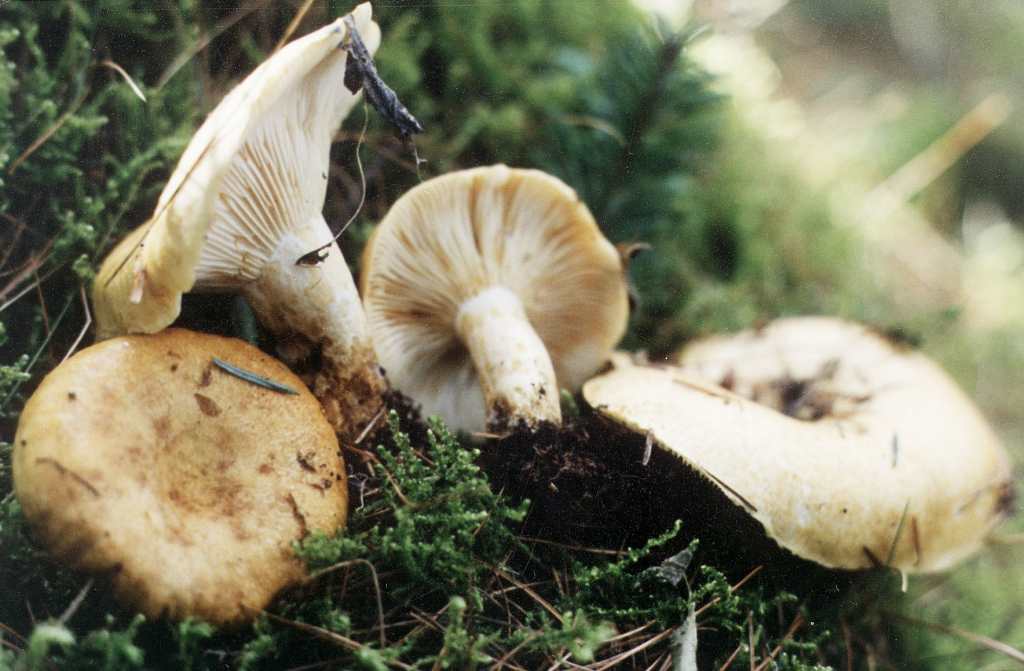
Beyond the potential medical benefits, these findings also highlight the importance of conserving the country’s biodiversity. Protecting natural ecosystems means preserving a huge genetic library, which is not yet fully understood. Within the genes present in the species that inhabit Guatemalan forests could be found the biological instructions necessary to produce molecules with therapeutic and antitumor properties of great value in the future.
Guatemala is part of the high biodiversity region of Mesoamerica and is home to an extraordinary variety of ecosystems, from cloud and pine-oak forests to tropical jungles and mangroves. This environmental diversity favors the presence of a great wealth of fungi, many of which have not yet been described or studied from a chemical and biomedical perspective.
It is estimated that only a small fraction of the country’s fungal diversity has been scientifically documented, which suggests that numerous species with biotechnological potential remain unexplored.
In particular, wild edible mushrooms constitute a resource of enormous ecological, cultural and economic importance for many Guatemalan communities. In addition to playing essential functions in the maintenance of forest ecosystems, through the decomposition of organic matter and mycorrhizal associations – mutually beneficial relationships between roots and fungi, to help each other survive.
Loss of forest cover, land use change and climate change represent considerable threats to this diversity. The disappearance of a forest does not only imply the loss of trees, it also means the possible extinction of microorganisms, fungi and other organisms whose biological properties could have applications in medicine, agriculture or biotechnology.
Therefore, The conservation of ecosystems must also be understood as a strategic investment in research, innovation and sustainable development.
Each species that is protected retains a unique set of genes and metabolites—natural chemical compounds—that could become the basis of future treatments or technologies.