
Guatemala and the United States are stepping up cooperation at the customs checkpoint. Guatemala’s Tax Administration Superintendency (SAT) hosted a delegation from US Customs and Border Protection (CBP) led by Stephen T. Maloney, executive director of CBP’s National Targeting Center (NTC), to expand information sharing, detect risks in international trade and speed up cargo that complies with the rules, Infobae reported.
Why it matters
Trade in goods and services between Guatemala and the United States reached US$19.5 billion in 2025, up 5.1% from the previous year. At that scale, security checks and trade facilitation are two sides of the same coin: every unnecessary delay adds costs for exporters and importers who play by the rules, while weak controls open the door to smuggling and other transnational crime.
What was on the agenda
- Border security and transnational threats that can affect customs operations.
- Facilitation of legitimate trade, so that low-risk shipments move faster.
- Risk analysis and faster response to suspicious operations.
The SAT said this way of working allows the two agencies to combine technical capabilities and respond more quickly to suspicious shipments, and it highlighted specialized US support to expand Guatemala’s own customs control capacity.
The legal framework
Guatemala is among the countries that have a Customs Mutual Assistance Agreement with the United States. That instrument allows both governments to exchange information to enforce customs laws and investigate crimes involving goods that cross their borders.
What the NTC does
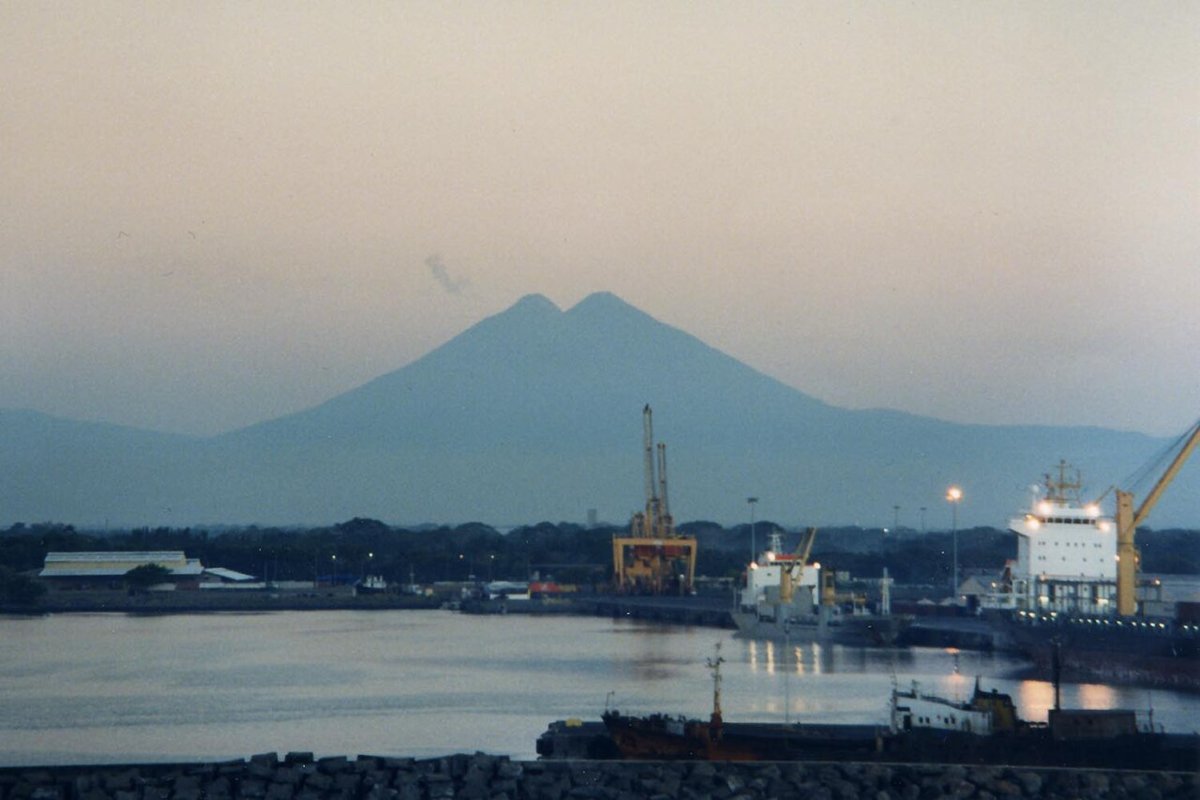
The National Targeting Center is the CBP unit that analyzes data on cargo and travelers before they arrive in the United States, flagging high-risk shipments for inspection. Closer coordination with the SAT means that information about suspicious containers or companies can be shared earlier, ideally before goods leave Guatemalan ports such as Puerto Quetzal or Santo Tomás de Castilla.
What exporters should watch
For Guatemalan businesses that ship coffee, bananas, textiles, vegetables and manufactured goods north, the message is that compliance pays: accurate documentation, traceable supply chains and participation in trusted-trader programs make it more likely that cargo clears quickly. The cooperation comes as Guatemala also works with Mexico on border security, part of a broader regional push to control illicit flows without choking legitimate commerce.