

With the death of Pope Francis, the Catholic Church faces the great challenge of choosing its successor, and the eyes of the world are put in the conclave, an event that brings together cardinals around the world to define their next leader.
The Vatican published on Tuesday the first images of the lifeless body of Pope Francis, before a first meeting of cardinals to decide the date of his funeral to which they plan to attend world leaders such as Donald Trump or Volodimir Zelenski.
Throughout history, the Catholic Church has witnessed great transformations and challenges under the direction of pontiffs that have deeply marked their course with decisions ranging from opening to dialogue with other religions to crucial determinations on doctrinal and social issues.
The last ten potatoes have faced the complexities of the modern world in their efforts to maintain the unity and stability of the Church.
Pope Francis (March 13, 2013 – April 21, 2025)
Jorge Mario Bergoglio, known as Pope Francis, was the first of Latin American origin and the first Jesuit. He was chosen on March 13, 2013, in a historical milestone not only for his origin, but by his name, chosen in honor of San Francisco de Asís, a reflection of his call to a more humble and close church to the poor and marginalized.
In 2015 he published the Encyclical Laudate yes’which addresses the environmental crisis and the need for a change in the relationship of humanity with nature.
In addition, he promoted reforms in the Roman curia, in search of greater transparency and efficiency in the management of the resources of the Vatican.
Pope Francis died on Monday, April 21, at his residence in Santa Marta, in the city of the Vatican, at 88.
Papa Benedict XVI (April 19, 2005 – February 28, 2013)
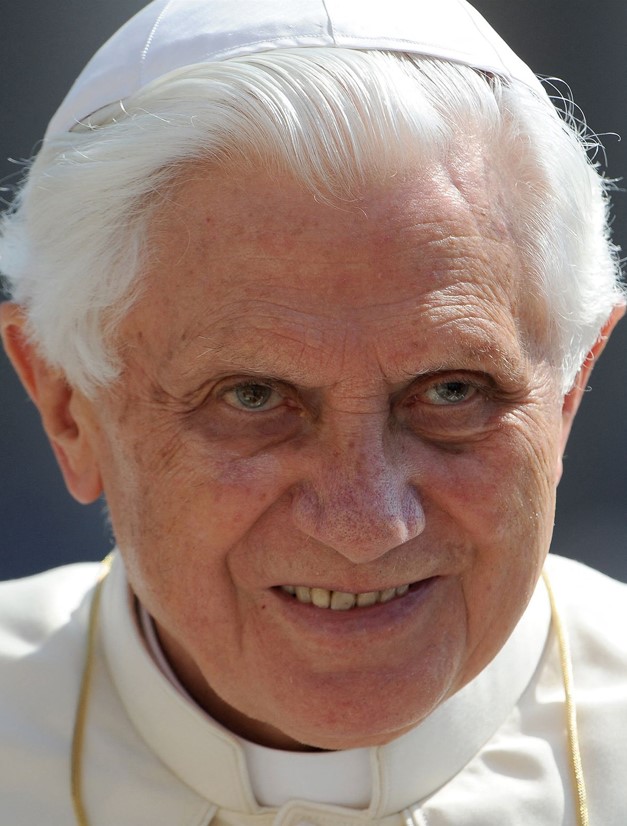
Joseph Ratzinger, Benedict XVI, was elected Pope on April 19, 2005, after the death of John Paul II. He was born in Bavaria, Germany, on April 16, 1927.
As theologian, it was an outstanding figure before being chosen pontiff. His papacy was characterized by the defense of doctrinal orthodoxy, the fight against relativism and the strengthening of traditional church teachings.
He also addressed the crisis of sexual abuse, although his response was considered by some as insufficient.
He resigned from Papacy in 2013 for health reasons, which had not happened for centuries. He adopted the title of Pope Emeritus and died on December 31, 2022, at 95.
Pope John Paul II (October 16, 1978 – April 2, 2005)
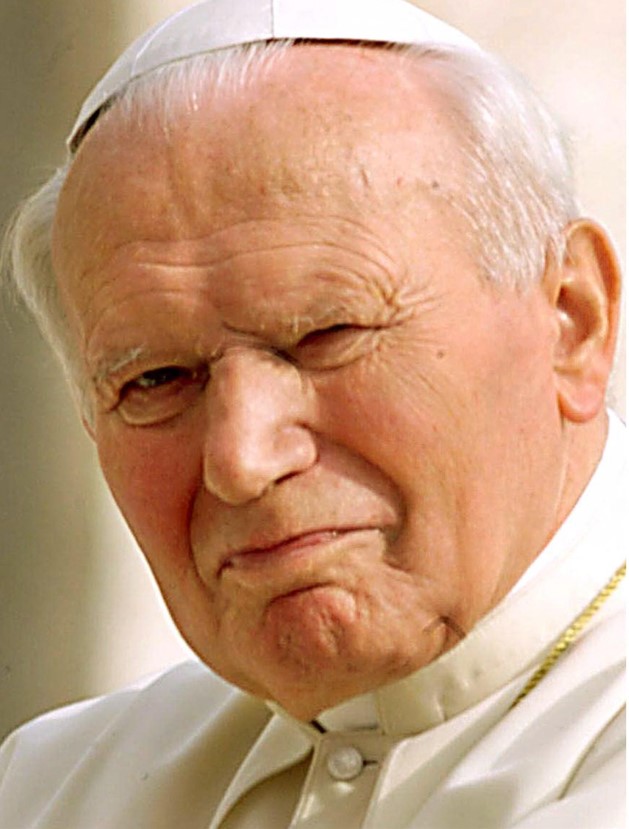
Karol Józef Wojtyła, Pope John Paul II, was one of the most influential and charismatic pontiffs in the recent history of the Church. He was chosen on October 16, 1978, becoming the first non -Italian in more than 450 years.
Born on May 18, 1920, in Wadowice, Poland, played a key role in the fall of communism in Eastern Europe. Human rights defender, stood out for his opposition to abortion and euthanasia.
He promoted ecumenism, especially with Judaism and Islam. He died on April 2, 2005 and was beatified in 2011 and canonized in 2014 by Pope Francis.
Pope Juan Pablo I (August 26, 1978 – September 28, 1978)
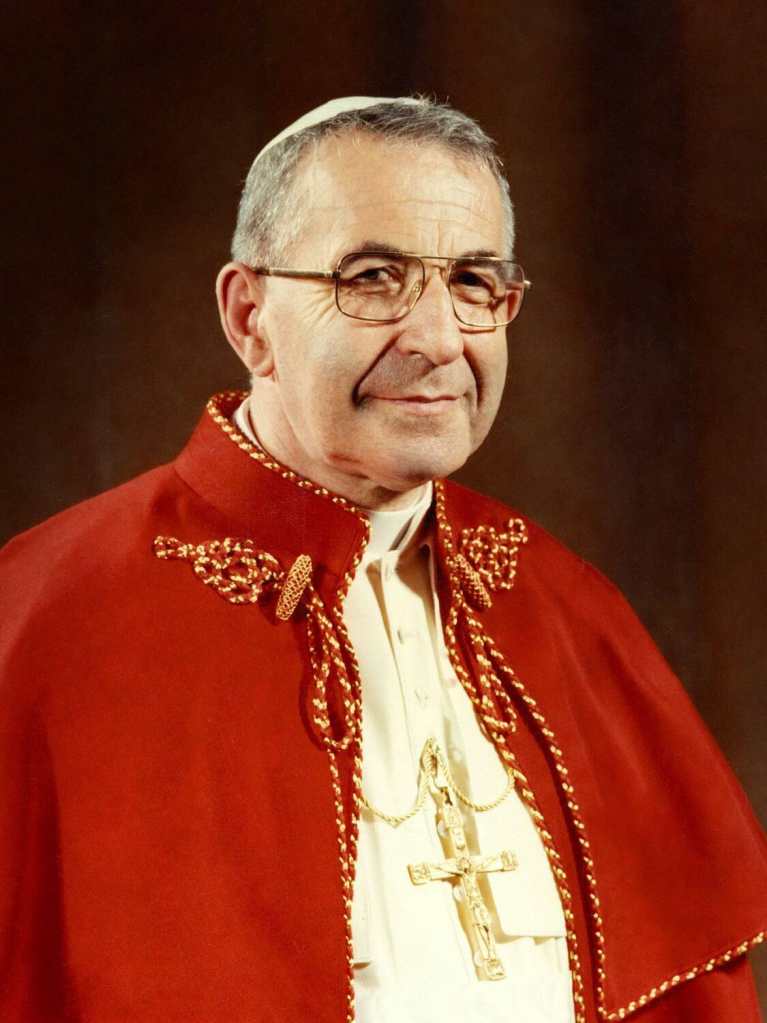
Albino Luciani, Juan Pablo I, had one of the shortest pontificate in history, with only 33 days. He was chosen on August 26, 1978.
He was recognized for his humility and closeness with the faithful. His sudden death, at 65, left many questions.
Pope Paul VI (June 21, 1963 – August 6, 1978)
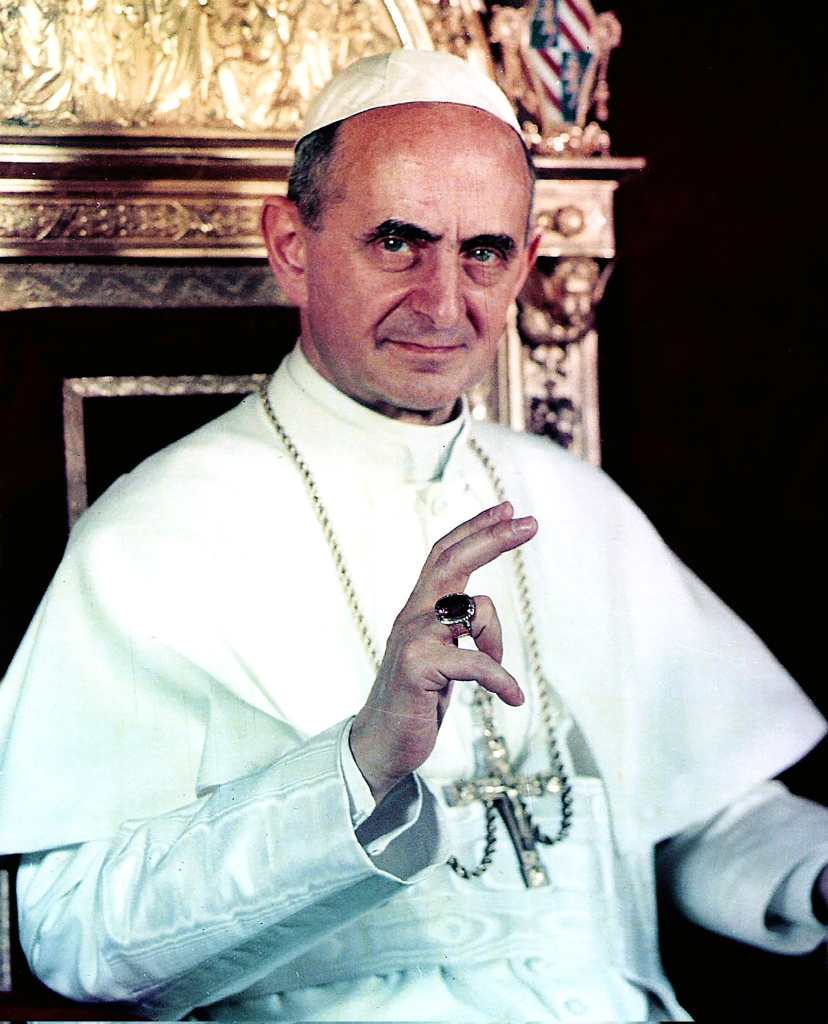
Giovanni Battista Montini, Pablo VI, was chosen during the celebration of the Second Vatican Council and had a decisive role in the implementation of its reforms.
Among the most relevant moments of its pontificate is the encyclical Humanoe Vitae (1968), which reaffirmed the position of the Church against artificial contraceptive methods.
He promoted ecumenism and was beatified in 2014 by Pope Francis.
Pope John XXIII (October 28, 1958 – June 3, 1963)
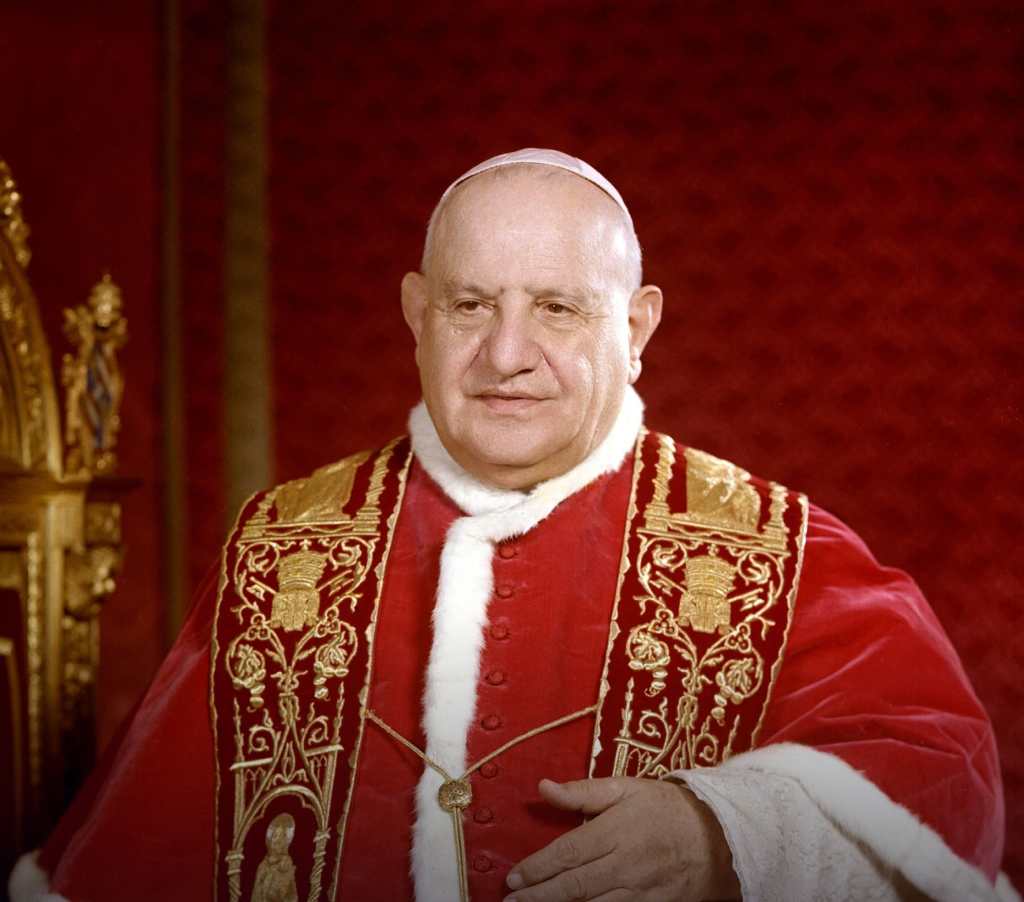
Angelo Giuseppe Roncalli, Juan XXIII, was chosen in 1958, at 76. His pontificate is remembered for his opening spirit and his impulse to modernize the Church with the call of the Second Vatican Council, in 1962.
Promulgated the encyclical PACEM IN TERIS (1963), in favor of peace and human rights. It was beatified in 2000 and canonized in 2014.
PIO PIO XII (March 2, 1939 – October 9, 1958)
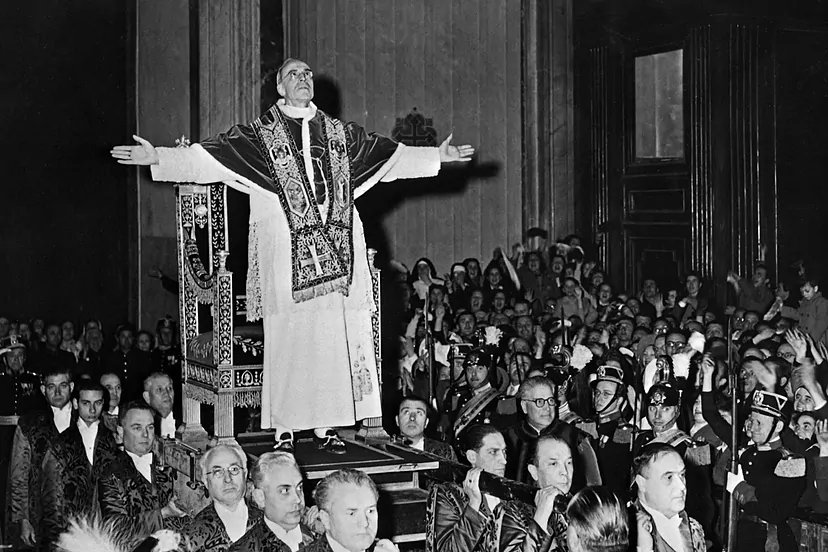
Eugenio Pacelli, Pius XII, assumed the pontificate in 1939, at the dawn of World War II. Its management was characterized by difficult decisions during the conflict.
He was criticized for his silence in front of Nazism, although some argue that he acted discreetly to save lives.
PIO XI PAPA (February 6, 1922 – February 10, 1939)
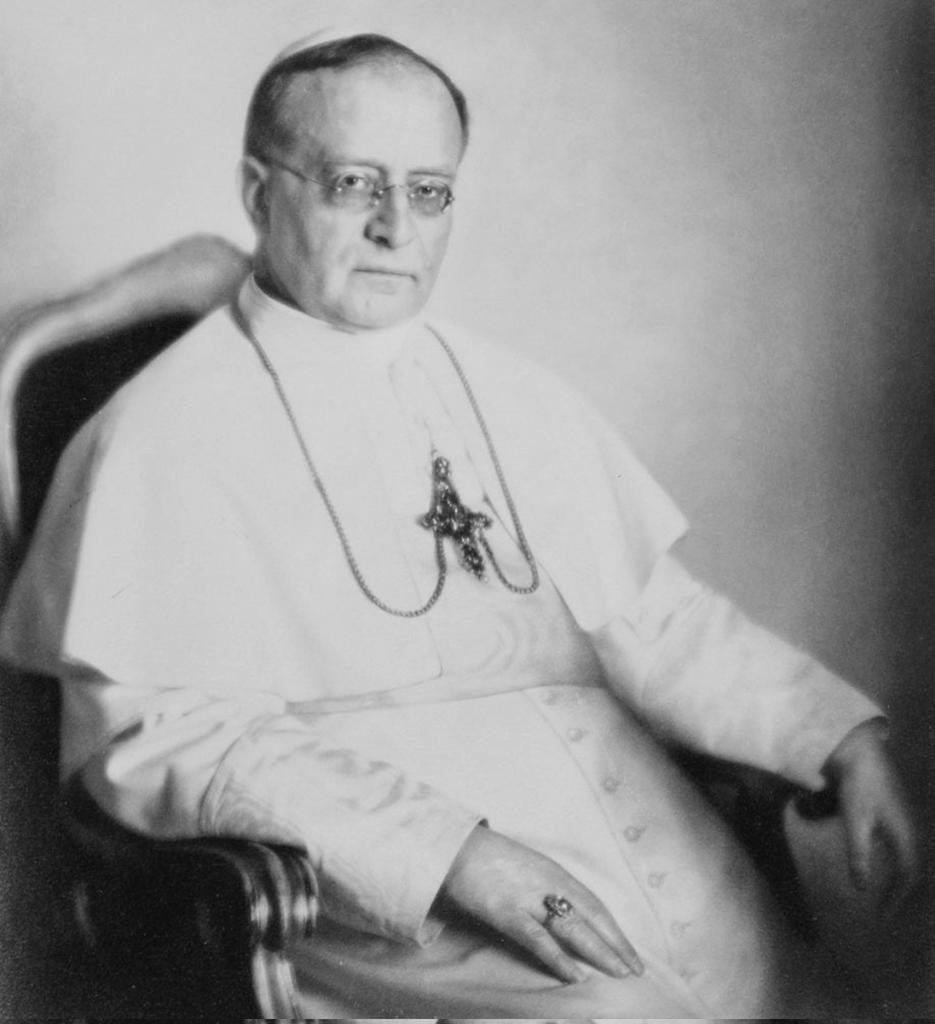
Achille Ratti, Pius XI, was chosen in 1922 and played an important role in the solution of the “Roman issue”, by signing Lateran’s pacts (1929), which established the sovereignty of the Vatican.
He condemned totalitarianisms and atheist communism, and promoted social justice and Catholic education.
PAPA BENEDICTO XV (September 3, 1914 – January 22, 1922)
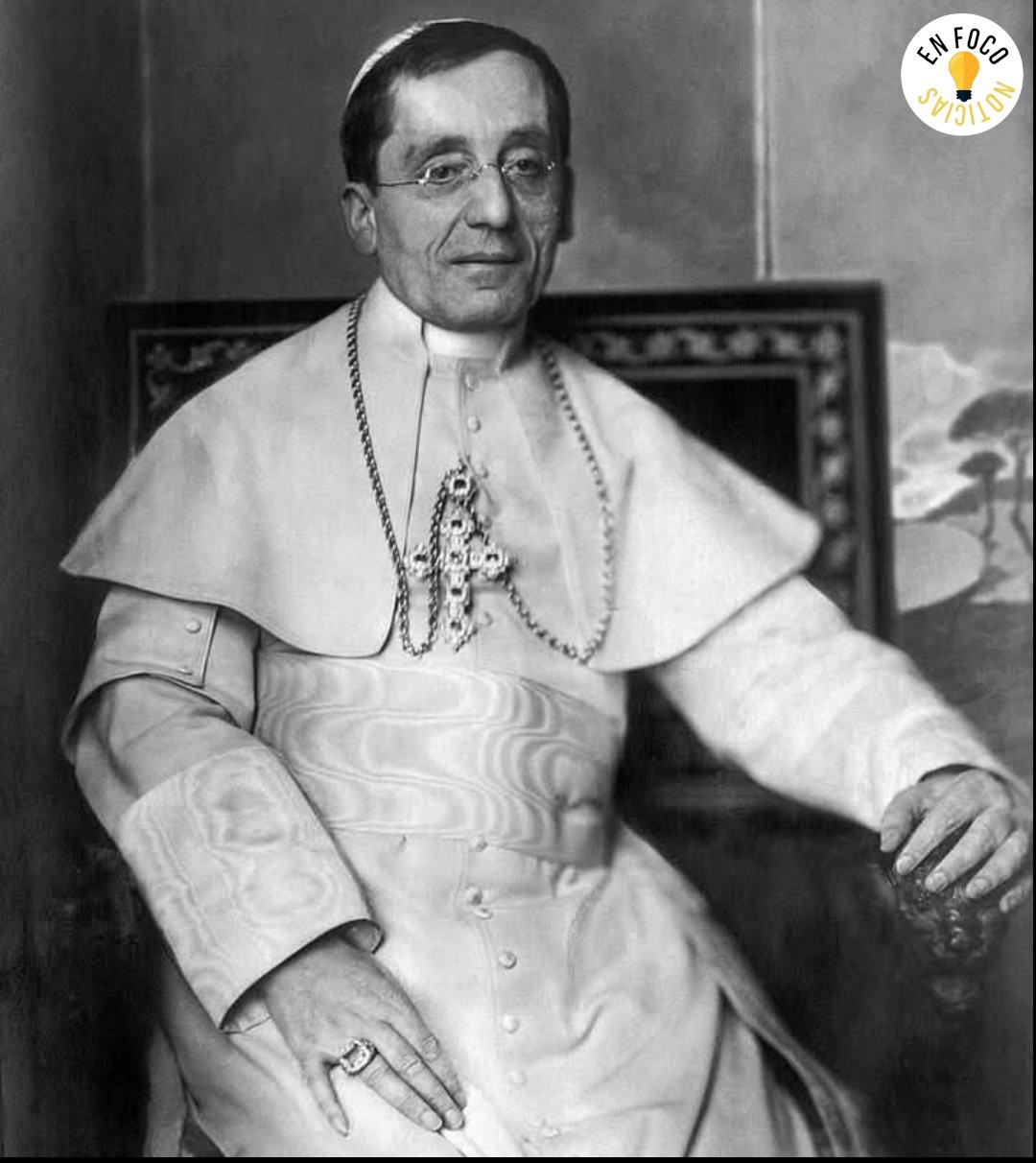
Giacomo Della Chiesa, Benedict XV, was chosen in 1914, shortly before the beginning of World War I. He stood out for his mediation efforts and his emphasis on peace.
He also promoted humanitarian aid and strengthened missions.
Papo San Pío X (August 4, 1903 – August 20, 1914)
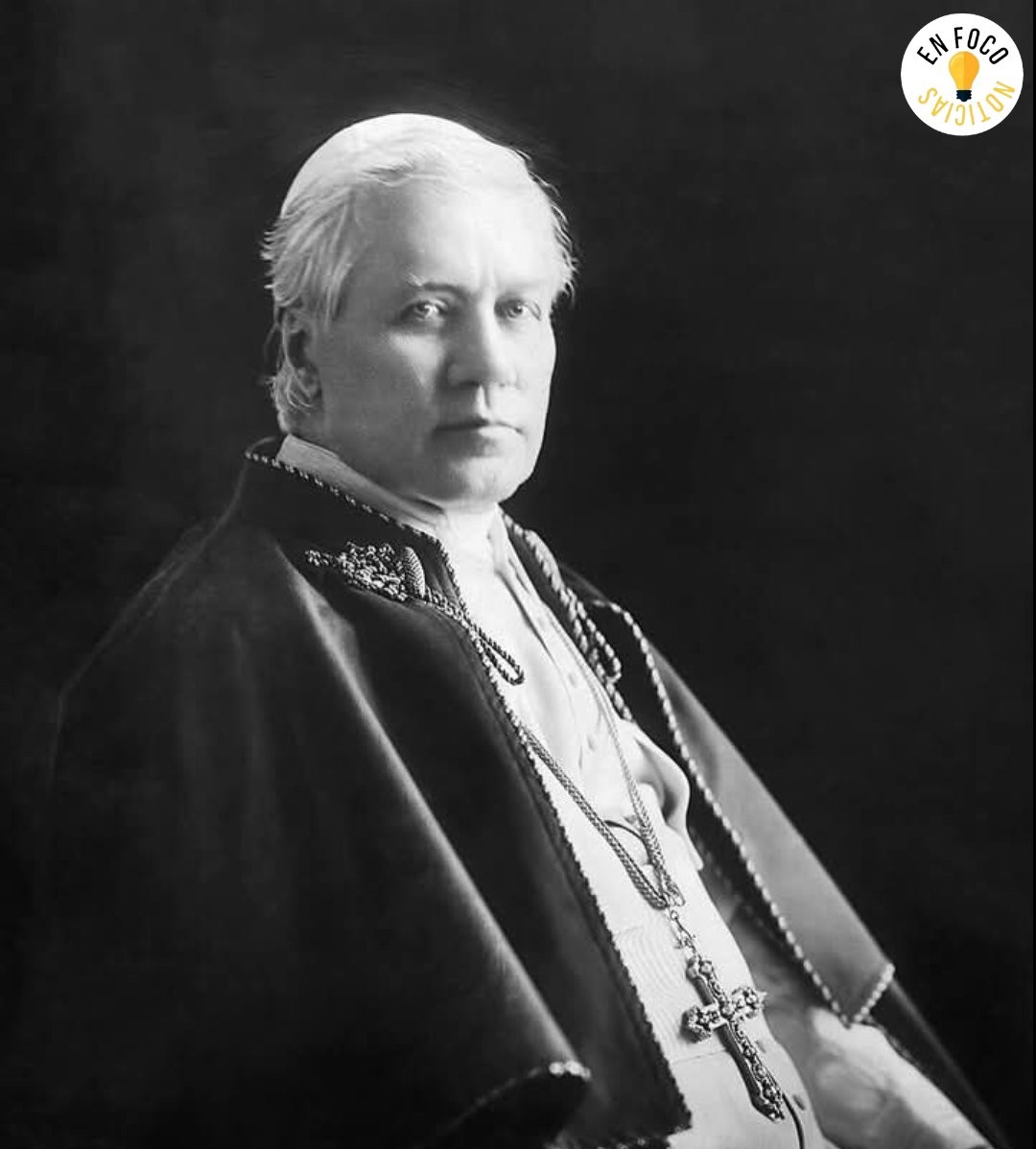
Giuseppe Melchiorre Sarto, St. Pius X, was chosen in 1903. He focused on ecclesiastical doctrine and discipline. It is remembered for its liturgical reform, which included the simplification of Mass and the promotion of frequent communion.