

Community
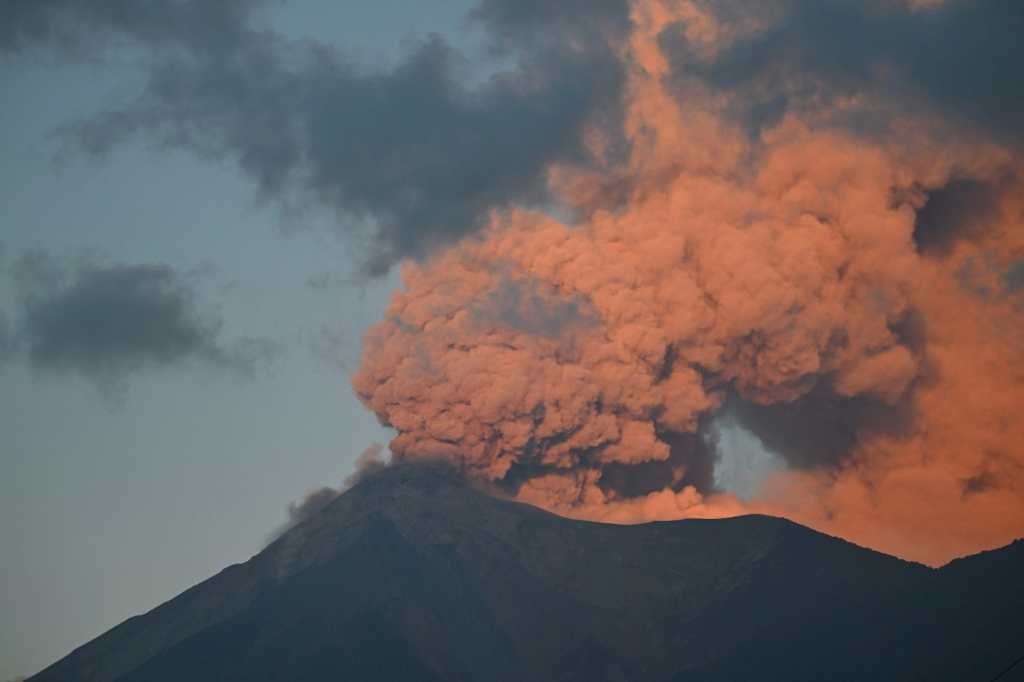
Since the night of March 9, the colossus has generated pyroclastic flows, ash fall and visible explosions from several departments.
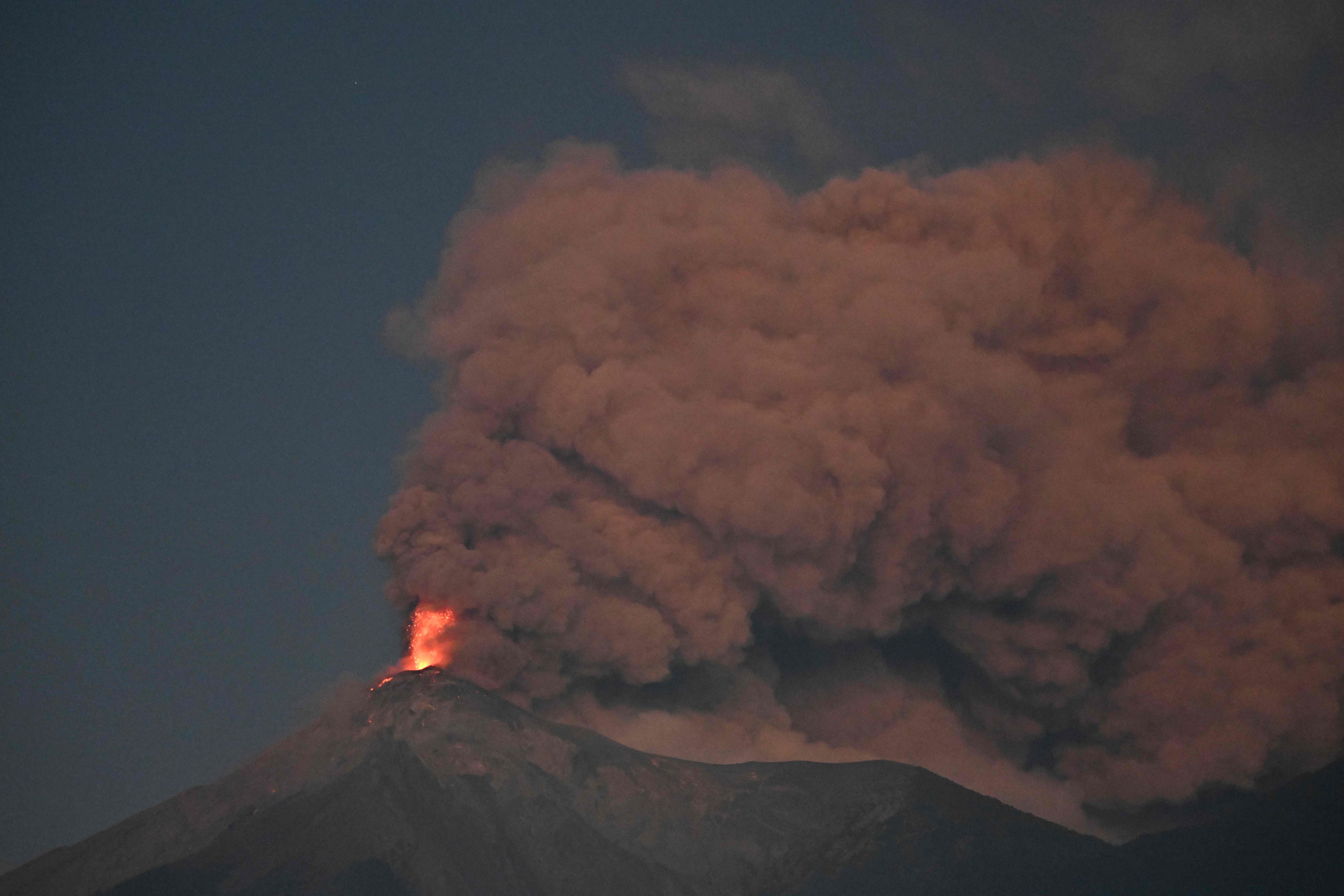
The Fuego volcano erupted from Altanango, Sacatepéquez, about 65 kilometers from Guatemala City. (Free Press Photo: AFP)
The authorities declared a massive eruption in the Fire volcanowhich started from the Sunday, March 9 At night that the early morning of this intensified Monday, March 10, 2025.
Despite the decrease in volcanic activity, The alert continues, because the colossus is still erupted.
Although the most effusive phase decreases, the main risk that persists are pyroclastic flows that has produced the volcano, considered The most dangerous and destructive phenomena associated with rashes.
Although at the moment these flows are of weak and moderate characteristics, they could increase in a short time, authorities reported.
The volcano recorded unusual behavior due to an important pause in its visible activity. For 49 days, The movement of magma and vibrations occurred and recorded only inside the volcano.
Since then, the National Institute of Seismology, Volcanology, Meteorology and Hydrology (Insivumeh) He has maintained monitoring and confirmed on Sunday, March 9, 2025, the beginning of a new eruptive phase.
Also read: Guatemala fire volcano: add 81 eruptions in 26 years
Chronology of the activity of the Fire Volcano
February 3, 2025
- The sensors begin to register low activity. Exhalations and explosions are very weak. It is also reported in Official Bulletins the absence of rumble or sensitive shock waves.
February 14, 2025
- Although the events remain low frequency, the indicators record internal movement of magmatic and gas material. Similarly, Insivumeh warns that explosions could increase at any time.
March 9, 2025
- 2.55: During the early hours of Sunday, the network of seismic and acoustic sensors of the fire volcano begins to register explosions of moderate and strong characteristicswhich cause incandescent avalanches that cover the entire upper part of the volcano.
- 16.45 begins to observe glow In satellite images.
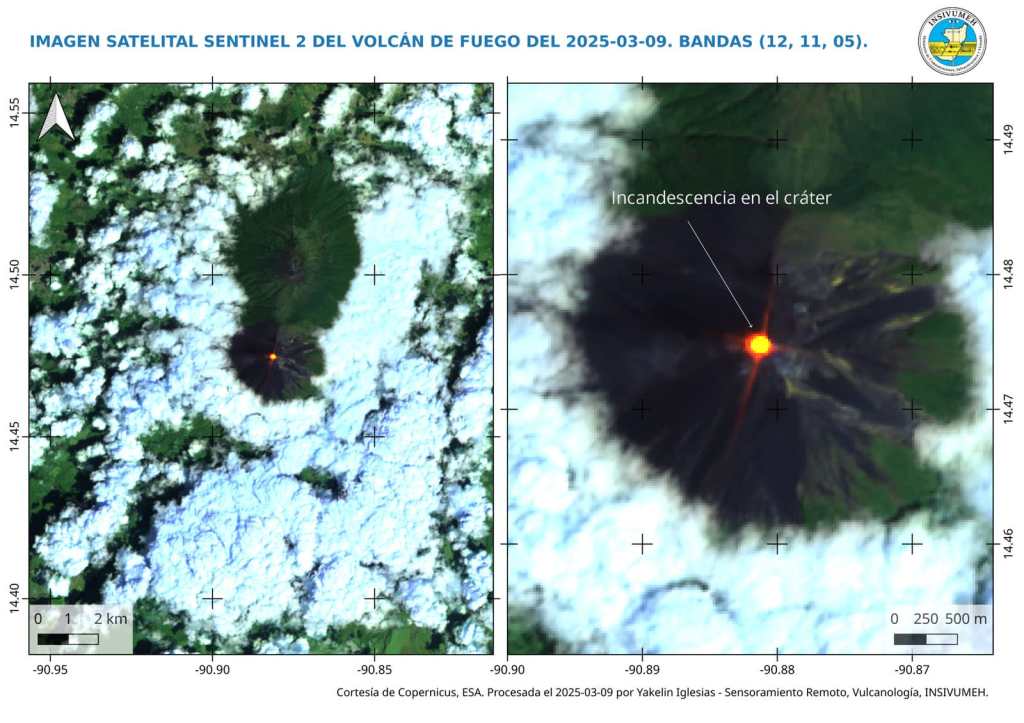
- 21.00: A confirmed considerable increase in effusive activity of the Fire Volcano. Insivumeh declares that this is the first episode since the last eruption of the May 4, 2023.
- 22.15: Insivumeh issues your First special bulletin. The new eruptive phase is accompanied by glow About the crater, avalanches of Lava blocks at the top of the volcanic cone and Sounds similar to plane turbine already constantly. The rumble they vibrate roofs and windows of homes in nearby communities.
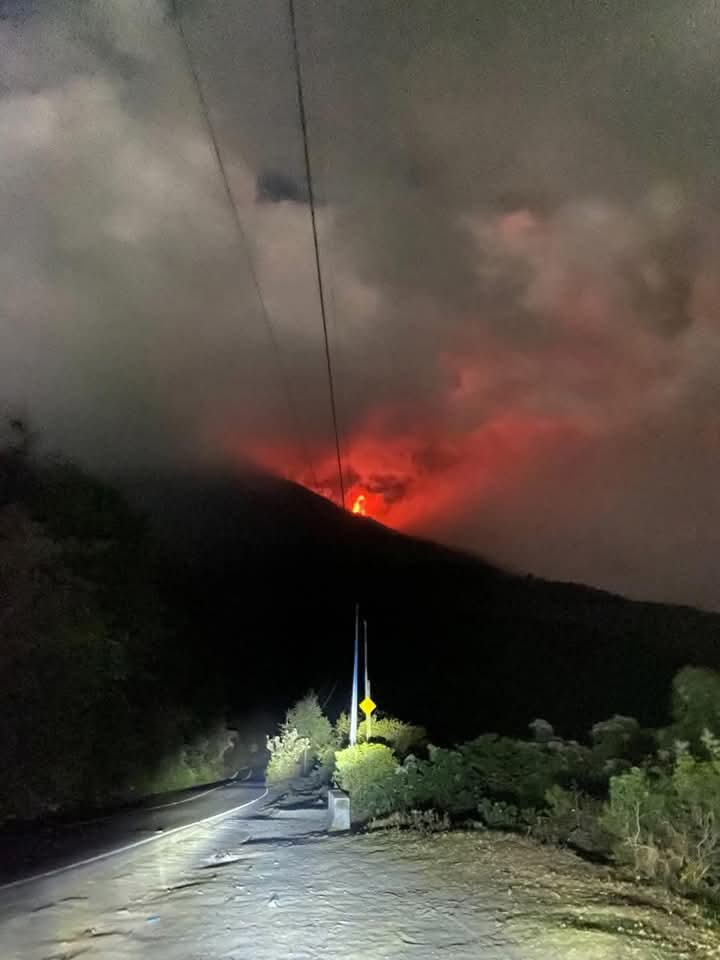
- 22.26: Insivumeh reports that Air quality in Guatemala City It is very bad since 18.00 and, therefore, is considered harmful to human health. Due to the direction of the wind and the dispersion, an increase in the concentrations of particulate material is noticed.
- 22.52: It is declared Orange alert institutional due to the increase in the activity of the Fire volcano and the fire season. They begin to coordinate prevention and response actions at the local and national level.
https://www.youtube.com/watch?v=apxgtc9qkri
- 23.17: Increases the emission of gase columns and the expulsion of ash high, reaching three thousand meters more than usual. The material is dispersed to 50 kilometers or more In the west, northwest and southwest direction of Suchitepéquez and Chimaltenangoas well as long distance in communities of Escuintla and Sololá.
Affected departments
Chimaltenango: SA Miguel Pochuta and Yepocapa.
Suchitepéquez: Chicacao, San Miguel Panán, Santa Barbara, San Juan Bautista, Patulul, Rio Bravo, San José El Idol and Santo Domingo.
Escuintla: Squinalá, Tiquisate, Nueva Concepción and Santa Lucía Cotzumalguapa.
Sololá: San Pedro La Laguna and San Lucas Tolimán.
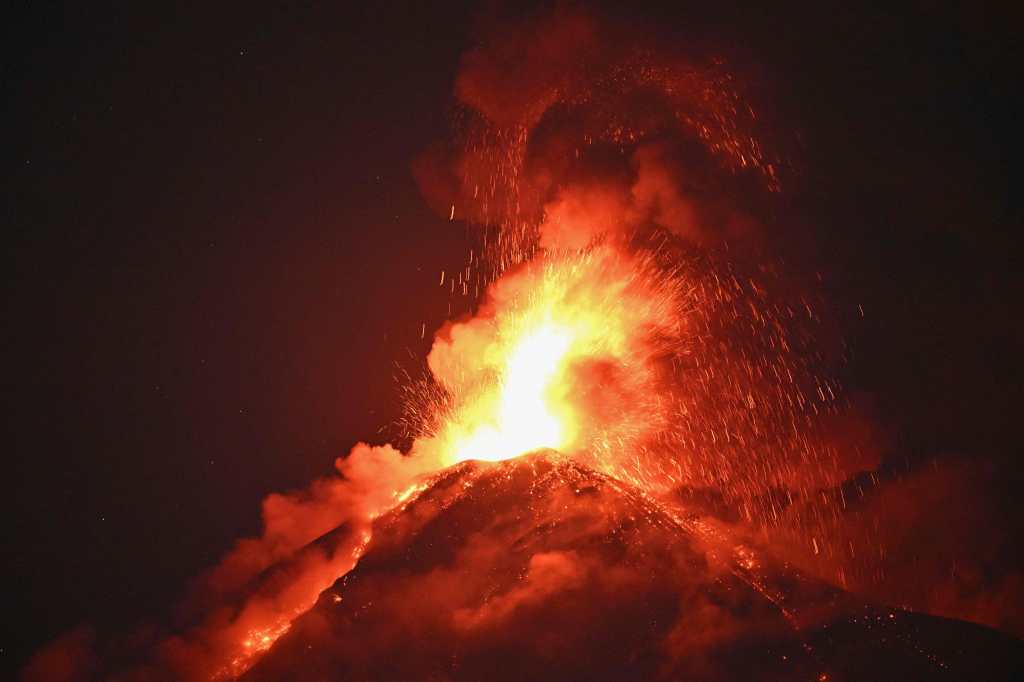
- 23.24: The effusive activity continues, so Operational Personnel of the Conred system moves to develop response actions in the area. The population is requested to self -assess and avoid approaching the ravines.
- 23.30: Bulletin is emitted 005-2025, warning of the decrease in volcanic material and lava.
- 23.55: Another special bulletin is published, the 006-2025, alerting about the decrease of rock blocks at high temperature, which can cause death for burns or suffocation.
March 10, 2025
- 00.01: The descent of pyroclastic flows in the dry and ash ravines is recorded, generating ash fall in surrounding areas.
- 00.21: It coordinates the closure and control of traffic on National Route 14, which communicates Escuintla and Sacatepéquez.
- 1.10: The volcanic surveillance network reports an increase in the decrease in pyroclastic flows in the slabs and juice, in addition to the dry and ash ravines. The ash reaches a maximum height of seven thousand meters above sea level.
- 3.08: As a preventive measure, the evacuation of the El Porvenir and Las Lajitas hamlets begins towards a shelter in San Juan Alotenango, Sacatepéquez.
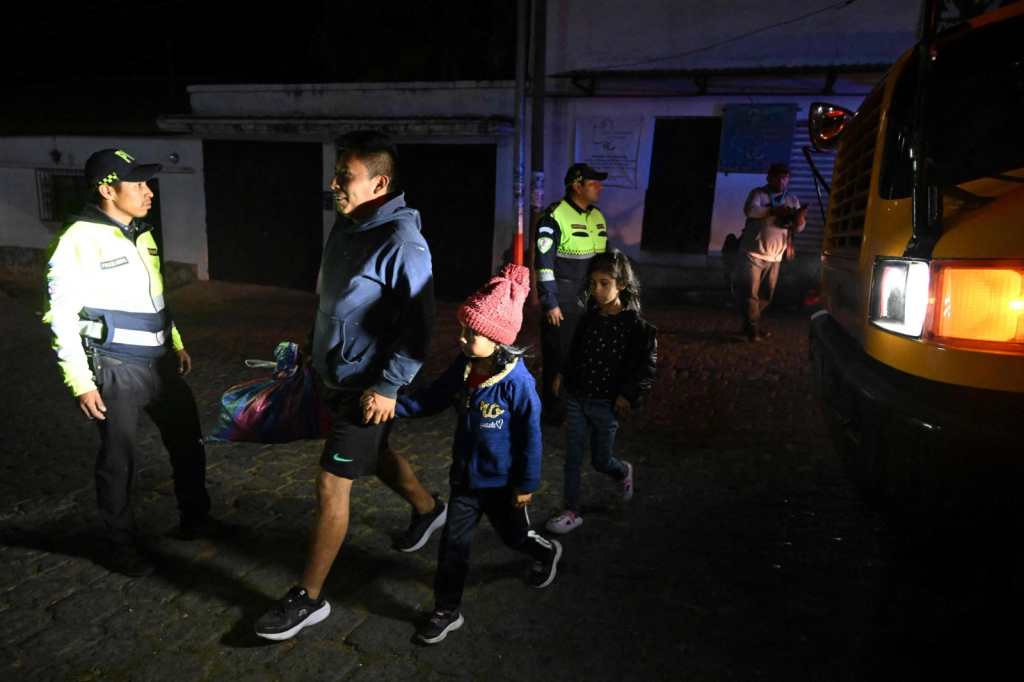
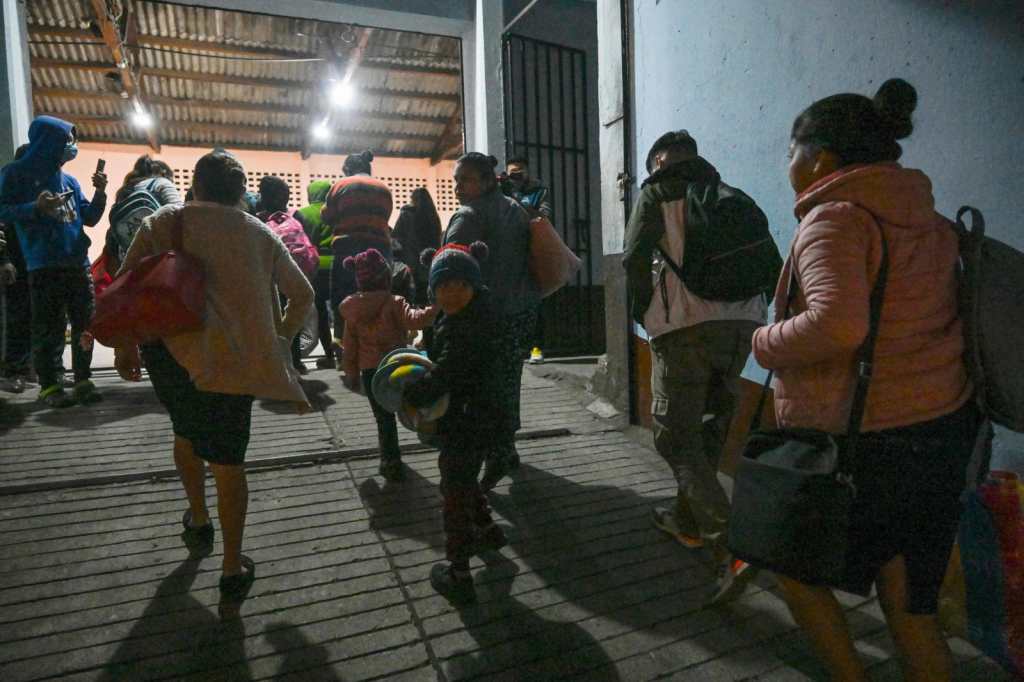
- 5.00: Abundant ash fall is reported. The immediate response team (ERI) arrives in Panimaché I to coordinate actions.
- 6.46: The Conred sends humanitarian aid from its wineries at the headquarters in zone 13 of the capital.
- 7.03: The Ministry of Education suspends classes in four municipalities: Altanango (Sacatepéquez), Escuintla, Squinalá (Escuintla) and San Pedro Yepocapa (Chimaltenango).
- 8.00 At a press conference, the authorities indicate that there are at least 30 thousand people at risk that inhabit communities around the volcano.
https://www.youtube.com/watch?v=kkp9n3-kov8
- 10.00 neighbors from nearby communities observe that the explosions continue. It continues to report a strong ash fall.
- 12.56: A new bulletin, the 007-2025, reports a decrease in eruptive activity, but warns that the eruption has not yet ended. Gas and ash columns continue to rise up to four thousand 800 meters above sea level.
Also read: Guatemala fire volcano: add 81 eruptions in 26 years