

He Extreme heat Not only is it uncomfortable, but also It can represent a health danger. When temperatures increase, the human body works more to stay fresh, which can lead to complications such as dehydration, Heat exhaustion and, in severe cases, heatstroke.
The latter is a medical emergency that requires immediate attention, since it can cause irreversible damage to vital organs and even death.
Staying hydrated is essential to prevent these problems. Water regulates body temperature, helps transport nutrients and eliminates toxins. However, on intense heat days, the body loses liquids and electrolytes faster than usual, which can trigger a dangerous imbalance. Therefore, it is crucial to drink water on a regular basis, even if it does not feel thirsty.
But what happens when heat is so extreme that the body cannot cool?
What is a heat stroke and what are your symptoms?
The heat blow occurs when the body loses the ability to regulate its temperature, which causes a dangerous increase of it. According to Dr. Madelaine Milagro Castellanos of the General Hospital of IGSS Diseases “the heat stroke is a serious situation where the body loses the ability to regulate heat, so it presents systemic failures in vital organs.”
Among the most common symptoms are included:
- High body temperature (more than 39 ° C)
- Quick and superficial breathing
- Dizziness
- Headache
- Nausea
- Vomiting
- Fainting or loss of consciousness
- Red, hot and dry skin
Andrés Lemus, from the Guatemalan Red Cross, adds that, if a person shows these signs, it is crucial to transfer it to a cool place, loosen his clothes and offer fresh water, avoiding sugary drinks or with caffeine.
How to act before a heat blow?
Before a heat stroke, experts agree that the speed is key. Óscar Sánchez, from volunteer firefighters, recommends:
- Move the person to a cool and ventilated place
- Apply wet cloths in armpits, groin and neck to reduce body temperature
- Hydrate with sera or drinks with electrolytes, since the body loses mineral salts when sweating
- Avoid sudden temperature changes, such as immersing the person in ice water, since this can make the situation worse
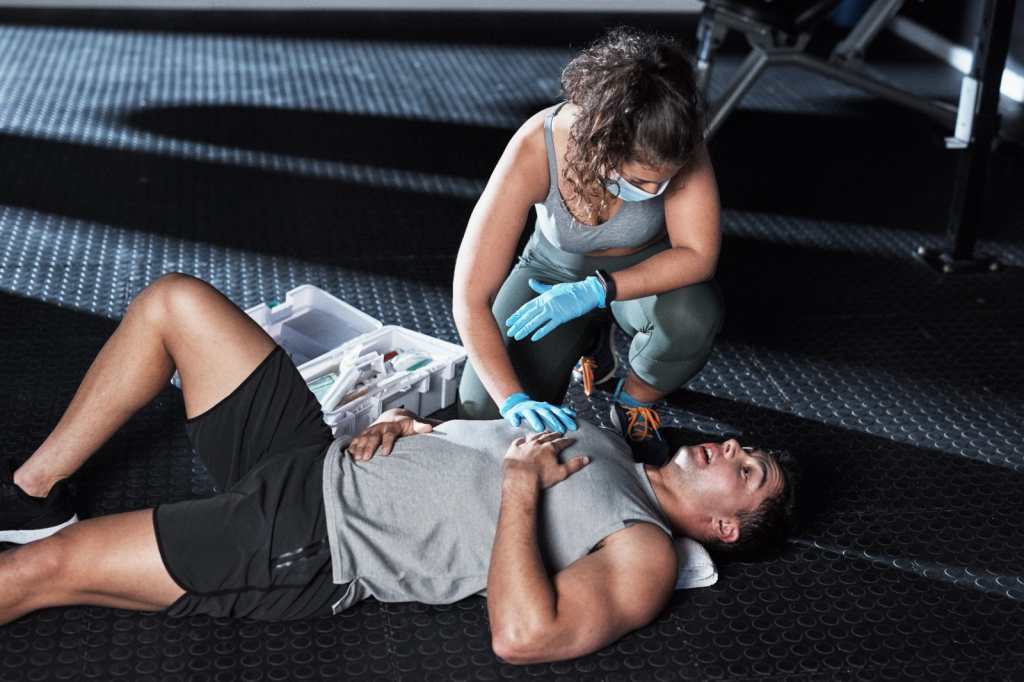
If the person is unconscious or presents seizures, it is vital to call emergency services immediately.
How to avoid heat blow?
Children, older adults and people with chronic diseases are the most susceptible to suffering a heat stroke. Castellanos warns that, if not being treated on time, this picture can cause damage to kidneys, heart and muscles, and even lead to a hypovolemic state state.
To prevent heat stroke, experts recommend:
- Avoid sun exposure at peak hours (10.00 to 16.00)
- Wear light and light colored clothes
- Stay hydrated with water and drinks with electrolytes
- Do not perform intense physical activities under the sun