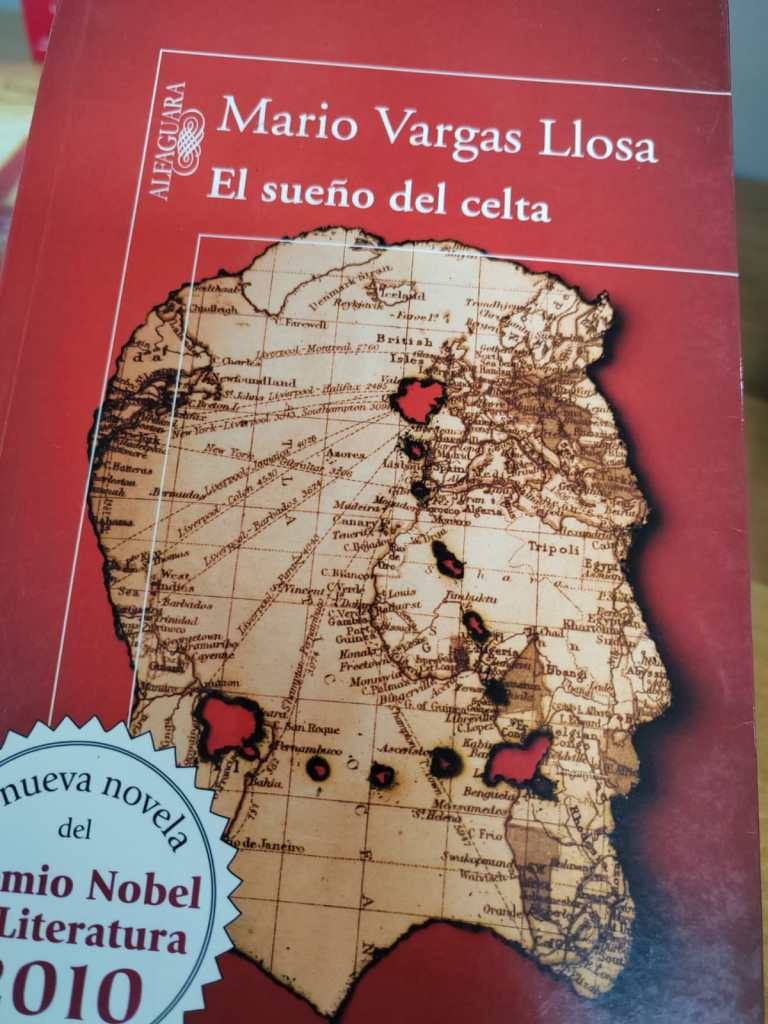
The literary world is mourning. Readers, family and friends cry the Death of the writer and novelist Mario Vargas Llosawho died last Sunday, April 13.
The death of Vargas Llosaknown as one of the exponents of the Latin American “boom” of literature, was confirmed by his children Álvaro, Gonzalo and Morgana through a statement published in the social network X.
“With deep pain, we make public that our father, Mario Vargas Llosa, has died today in Lima, surrounded by his family and in peace,” they wrote. Although the family did not confirm the time or causes of death, it is remembered that the writer had the health cracked since he returned to the Peruvian capital in 2024, after leaving Madrid.
The writer’s health was affected notoriously from 2023, when he was hospitalized in June for having contracted COVID-19 for the second time, while residing in Spain, a country from which he received nationality in 1993.
Vargas Llosa was not scared of death. In one Interview with BBC News MundoWhen asked about social utopias, the writer replied:
“Death does not distress me. Man, life has that wonderful: if we lived forever, it would be greatly boring, mechanical. If we were eternal, it would be frightening. I think life is so wonderful precisely because it has an end.”
Nobel literature in 2010
Vargas Llosa started writing very young. With only 23 years he debuted in the literary world with a volume of stories entitled The bosses. From that publication, it became one of the greatest representatives of the Latin American “boom”, along with Gabriel García Márquez, Julio Cortázar and Carlos Fuentes.
In 2010, the Swedish academy surprised him at dawn in New York – where he was as a guest professor at Princeton – to inform him that they granted him the most prestigious literary award in the world: the Nobel Prize for Literature, for “his cartography of the power structures and his scathing images of the resistance, the revolt and the defeat of the individual”.
He was 74 years old and, according to the Spanish media The countryI had just sent a novel that approached the brutal colonialism linked to the exploitation of rubber: Celta’s dream.
His work was characterized by narrative wealth, technical experimentation and deep analysis of social and political contexts.
In October 2023 he published his latest novel, I dedicate my silencewith which he closed his stage as a fiction writer, for two months later to say goodbye to his biweekly column in The country.
Other Nobel Prize for Literature in Spanish
The Nobel Prize for Literature has been granted 117 times to 121 awarded between 1901 and 2024, being 11 who have received this recognition for literature in Spanish.
Next, a review of the winners that make up the list with Mario Vargas Llosa, according to the Official Nobel Prize site:
1990 – Octavio Paz (1914–1998)
The Mexican Octavio Paz obtained the Nobel Prize for Literature by a passionate writing of broad horizons, characterized by sensual intelligence and humanistic integrity.
1989 – Camilo José Cela (1916–2002)
The Spanish writer received the Nobel “for a rich and intense prose, which with contained compassion configures a challenging vision of the vulnerability of man.”
1982 – Gabriel García Márquez (1927–2014)
The Colombian, author of One hundred years of lonelinessthe Nobel obtained for his novels and stories in which the fantastic and the realistic are combined in a world of richly compound imagination, a reflection of the life and conflicts of a continent.
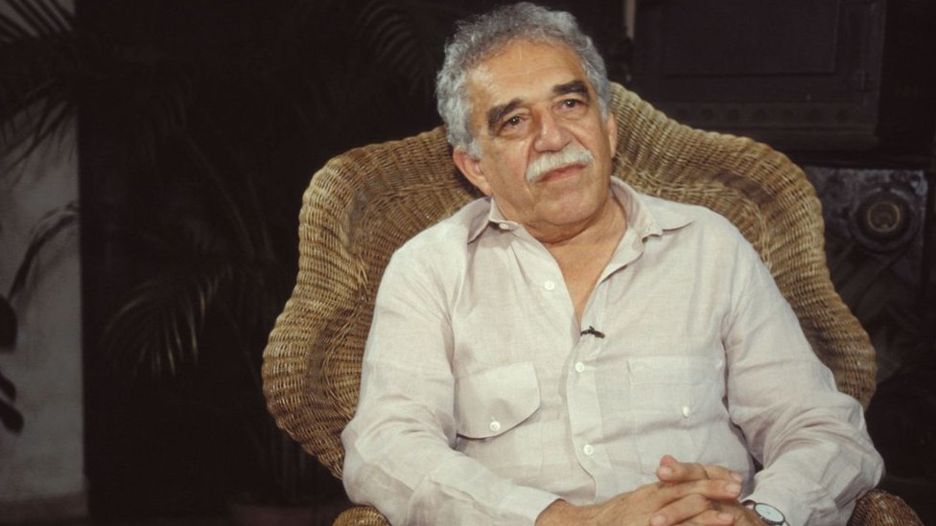
1977 – Vicente Aleixandre (1898–1984)
The Spanish received the Nobel by a creative poetic writing that illuminates the condition of man in the cosmos and in today’s society, while representing the great renewal of the traditions of Spanish poetry of interwar.
1971 – Pablo Neruda (1904–1973)
The Chilean, known for works such as Twenty love poems and a desperate song and HUNDRED LOVE SONTEShe was awarded by a poetry that, with the action of an elementary force, makes the destiny and dreams of a continent revive.
1967 – Miguel Ángel Asturias (1899–1974)
Recognized as Magic Realism Masterthe Guatemalan was a journalist, playwright, diplomat and novelist committed to social protest. The Nobel received for his vivid literary achievement, deeply rooted in the national features and traditions of the indigenous peoples of Latin America. Among his works are Mr. President, Corn men and The Green Pope.
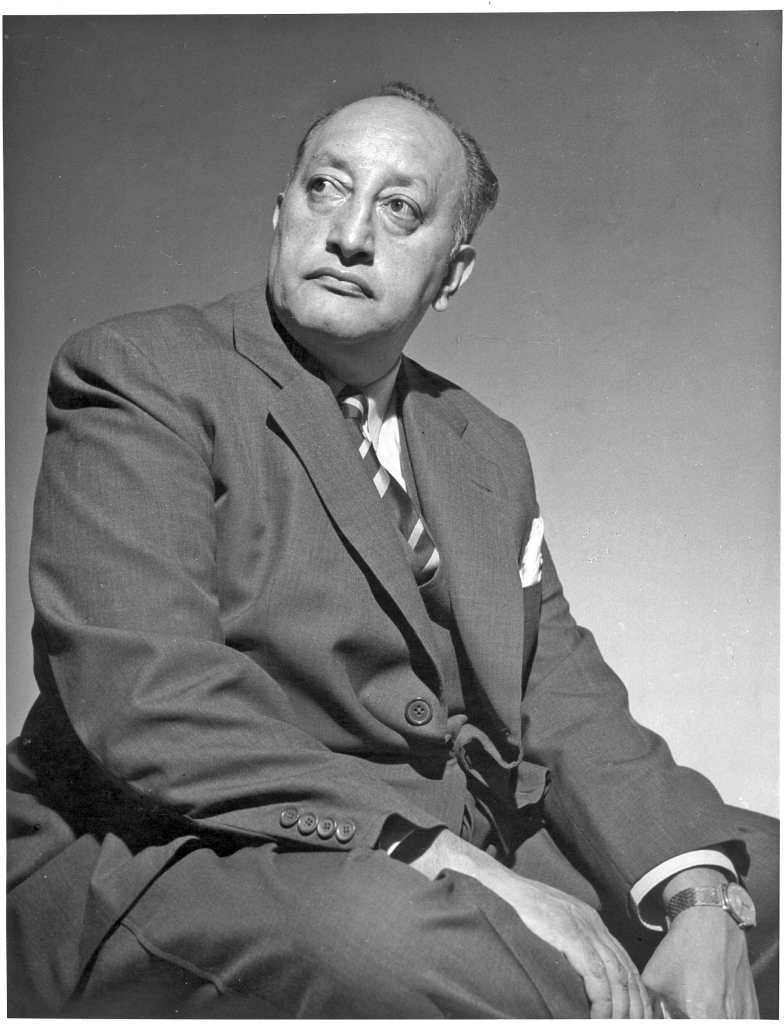
1956 – Juan Ramón Jiménez (1881–1958)
The Spanish was awarded by his lyric poetry, which in the Spanish language constitutes an example of high spirit and artistic purity.
[1945-GabrielaMistral(1889–1957)
The Chilean is the only woman on this list. She was awarded by her lyric poetry that, inspired by powerful emotions, has made her name a symbol of idealistic aspirations around the Latin American world.
1922 – Jacinto Benavente (1866–1954)
The Spanish received the Nobel for the happy way in which the illustrious traditions of the Spanish drama has continued.
1904 – José Echegaray and Eizaguirre (1832–1916)
He was the first Spanish writer to receive this award, in recognition of his numerous and brilliant compositions that, individually and originally, have revived the great traditions of the Spanish drama. That year he shared the award with French Frédéric Mistral.
The last living writer
Vargas Llosa was the last living writer to belong to this list, since since 2010 no other exponent in Spanish has received this award.