

Health and family
In childhood, it is common for children to urinate in bed while sleeping. The reasons are diverse; However, it is advisable to consult a specialist to evaluate each case.
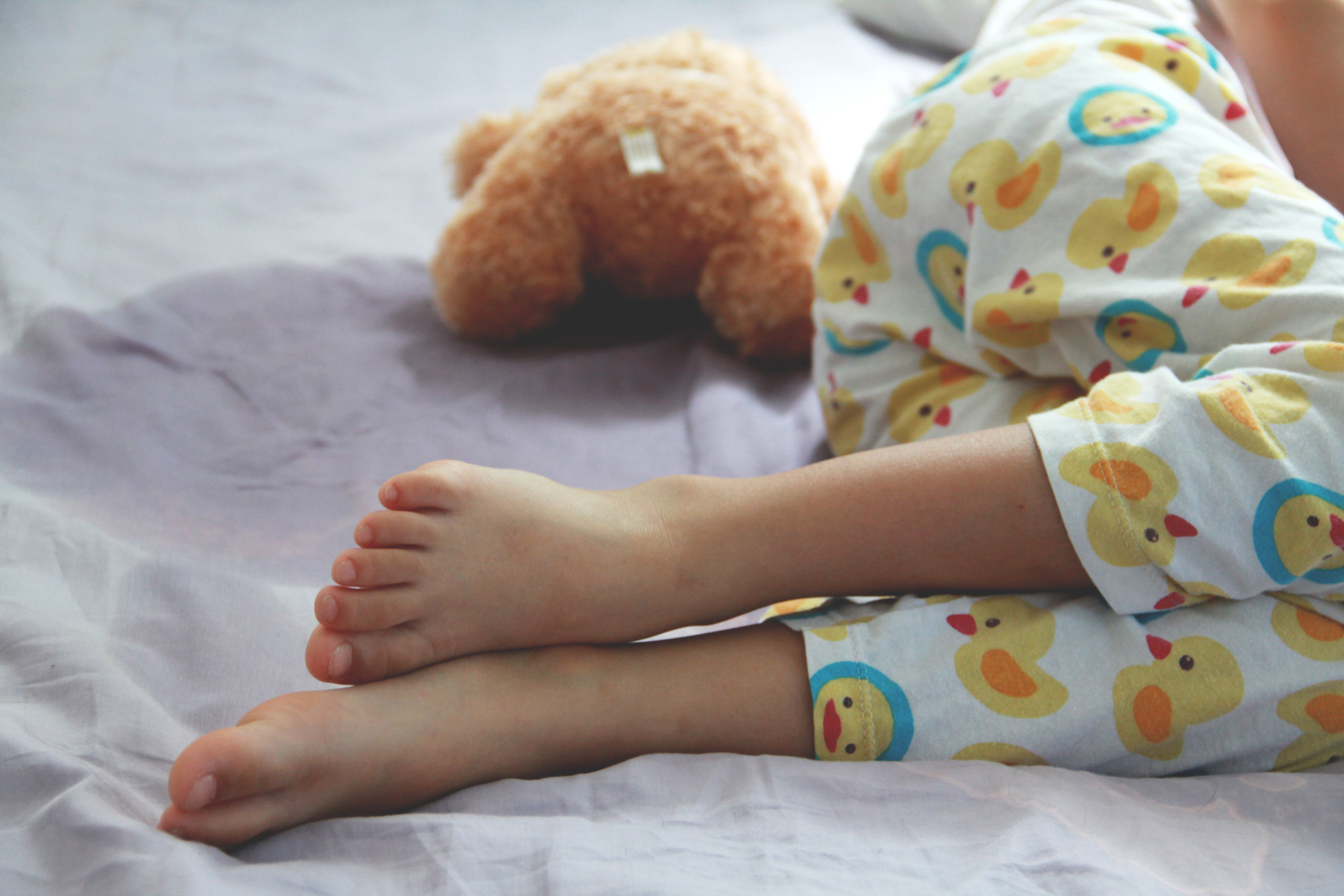
Before 5 years, it is normal for a child to urinate in bed when sleeping. (Free Press Photo: Shuttersock)
Night inure occurs when Children urinate in bed during the night. “It is quite common in childhood, and in many cases it is not due to a medical problem but to the normal development of sphincter control”, Carlos Fernando Martínez, pediatrician.
That this happens should not be a reason for alarm or concern, since it is quite normal until some age, especially in children from 1 to 5 years. However, If this persists after 5 or 6 years or suddenly appears in a child who already controlled urine, It should be consulted with the pediatrician to rule out physical or emotional causes, adds the specialist.
“Many children take a little longer to achieve night control, even if they are no longer urinated during the day. It is estimated that about 15% of 5 -year -old children still present this problem, and the percentage decreases with age,” Martínez explains.
In most cases, adds the expert, it is not a serious, physical or psychological problem.
According to the specialist, the most common causes include:
- Slow maturation of nightlife control, that is, the brain and bladder are not yet well coordinated during deep sleep.
- High production of urine at night, in some children, retail release of a hormone called vasopressin.
- Very deep sleep, which does not wake up when the bladder is full.
- Family history, for example, if dad or mother urinated children, it is more likely to occur in their children as well.
- Only in some cases, it can be related to emotional problems, urinary infections or specific medical conditions, but this is much less frequent.
Martínez clarifies that, given this situation, it is not recommended:
- Scold, punish or make fun of the child. This only generates shame, guilt and anxiety, which can worsen the problem.
- Restrict liquids excessively or make the child be thirsty for fear of being urinated.
- Make comparisons with brothers or friends who no longer urinate.

Another recommendations made by the specialist is to have patience and understand that this is something that happens unconsciously, not because the child does it on purpose. Sleeping children have no control of what is happening. However, it is important to keep a record or calendar of dry and wet nights, as this can help detect patterns and assess progress.
Another recommendations is to ensure that the child urinates before sleeping, and creating a quiet routine at night. In the case of children over 6 years old or if there is concern, it is necessary to consult with the pediatrician to rule out medical causes or decide whether treatment is required.
These are some home remedies or measures to take into consideration:
- Perform regular bath routines during the day and before sleeping.
- Avoid caffeine drinks (children should not drink coffee) or sugary in the afternoon and night, as they stimulate urine production.
- Place a waterproof protector in bed to avoid uncomfortable accidents.
- Implement a soft rewards system, such as congratulating or giving a decal or a small prize for every dry night, always from the positive reinforcement, without pressures.
- Talking with the child calmly and affection, assuring him that it is not his fault, that many children go through this and that together they will find solutions.
- Strengthen your self -esteem, that is, remind you of what you do well, support it emotionally and prevent you from feeling less than others.
- Maintain a quiet and without drama before each episode, so that the child does not live it as something traumatic or shameful.
- Gently involve it in the change of clothing or sheets as part of the routine, but without punishment or reproach.