

Business life
The professionalization and diversification of online scams is increasing, and Banco G&T Continental has also evolved to offer agile and safe attention to customers. The digital age has brought countless innovations and improved access to products and services.
|

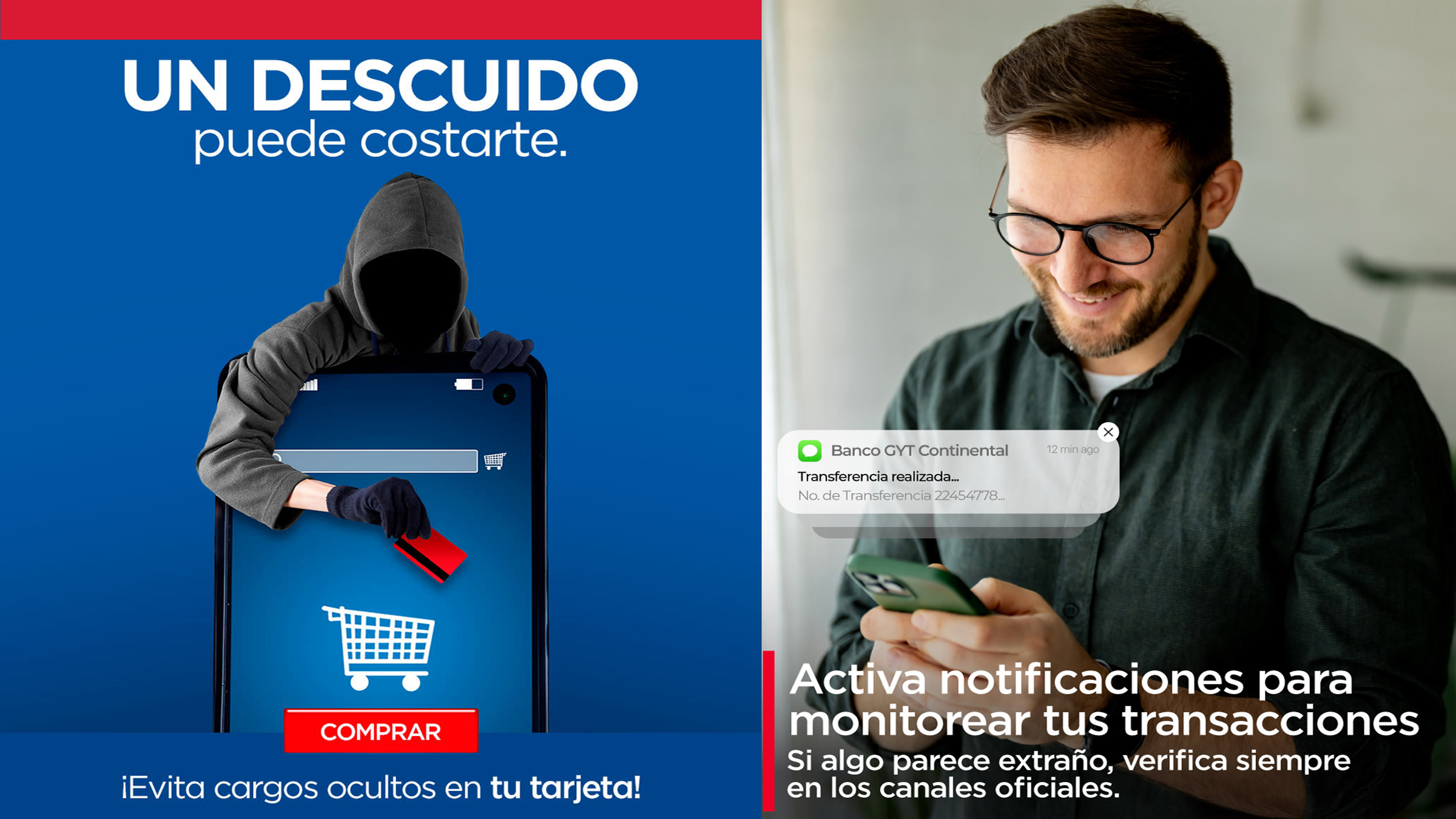
It is vital to know what are the greatest threats facing the public, as well as companies have struggled to improve their wallet, digital threats have been professionalized and diversified.
The most common strategy is phishing, in which they seek to deceive people to share confidential information. In general, victims receive an email very similar to that of their bank or a trusted person. The message demands that you enter a website immediately to avoid some consequence. If the user falls in the hook, he will encounter an imitation of the real website in which the criminals capture the data to steal the identity of the client.
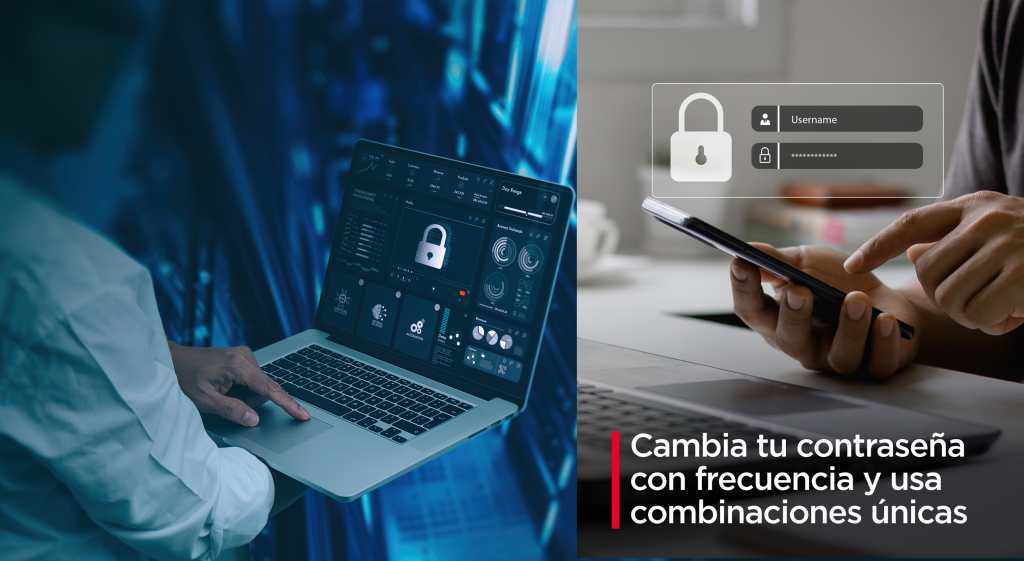
A similar strategy is Smishing, a cyber attack that uses deceptive text messages to induce people to share personal information, download harmful software or take them to malicious sites. Like phishing, messages usually arrive from institutions or trusted people and have an urgency, curiosity or fear to manipulate the recipient to take unwanted action.
The most recent attack is vishing. The term is the combination of the words “Voice” (voice in English) and “phishing” and defines the threats that use fraudulent telephone calls to obtain personal information. This is a much more planned attack, since criminals collect the user’s personal information through websites, emails or social networks. When they run into the victim’s safety authentication, they call him identifying himself as bank staff trying to reveal the token or SMS key that he needs to enter the accounts.
Banco G&T Continental Share five strategies to protect the safety of Guatemalans in the digital field:
- Before opening an email that seems urgent, it is necessary to review the reference information. In general, criminals use the name of the banking institution and add some letter or termination.
- The bank will never ask you to share or enter your online banking password through email, text message or call. If someone contacts you to ask for it, it is very likely that it is a cyber attack.
- Verify the web address to which it is redirected. If you click on a fraudulent link for mistake, before entering your data, verify that you are truly on the official bank website. Cybercounts use very similar templates, but they can never use the official direction of the bank. Look for signals as aggregate words, change in the order of words or a different termination to .com or .com.gt.
- If you have not requested a service, sent products or entered into contact with the organization that sends the suspicious message it is better not to interact with it. If you have doubt you can search for official telephone numbers and call a customer service agent.
- Use only the official communication channels of the bank, these are: www.gtc.com.gt, 1718 for telephone consultations and 5554-1718 for WhatsApp consultations.