

From the heart of Quiché to international stages, the architect Juan Francisco Arévalo Mayen has taken the art of the masks of the Quiché convite beyond the borders of Guatemala.
Combining art inherited from his father Francisco Arévalo with his academic training and his natural talent, he has given life to works that celebrate Guatemalan popular culture. From Santa Cruz del Quiché, he has made visible the Centennial Convite of the Brotherhood of Santa Elena de la Cruz of the Department of Quiché – declored Intangible Cultural Heritage of the Nation since 2003 – and has been a key figure for this tradition to be replicated in the United States stages.
With more than three decades of experience, Arévalo has integrated sculpture, painting, monumental restoration and relief creation, projecting popular art as a symbol of identity, legacy, tradition and ancestrality.
His fantasy costumes have stood out in international competitions such as Miss Universe and have been recognized in America, the Philippines and Russia for their symbolic and aesthetic wealth.
Currently, he directs Arte Jade: The house of the masks, which over the years has also become a formative space for new generations of artists.
Arévalo has led important heritage restoration projects, such as that of the Temple and Convent of Santo Tomás Chichicastenango, in collaboration with the Foundation for the Conservation of Cultural Heritage and the United States Embassy.
His work has crossed borders and was presented at the Travel Adventure Show, In Los Angeles, California, where he shared with the world the richness of the Guatemalan masks.
How did you start your passion for the art of masks?
It all started with a name that, for more than three decades, proudly represents us in the west of the country: Jade Art. This family seal was born in Santa Cruz del Quiché and symbolizes a tradition that runs through our veins.
My father José Francisco Arévalo was the one who sowed in us – Mis Brothers Marvin Ronaldo and José David, plus the family presence of a cousin Erick Mayen – the passion for art.
For more than fifty years, he has dedicated himself to the elaboration of masks for the Convites, as well as being a living part, a tradition deeply rooted in the Quiché region and declared intangible cultural heritage of the nation. “Thanks to him, since children we were immersed in that universe of shapes and colors,” he added.
(Photo: Free Press / Juan Francisco Arévalo)
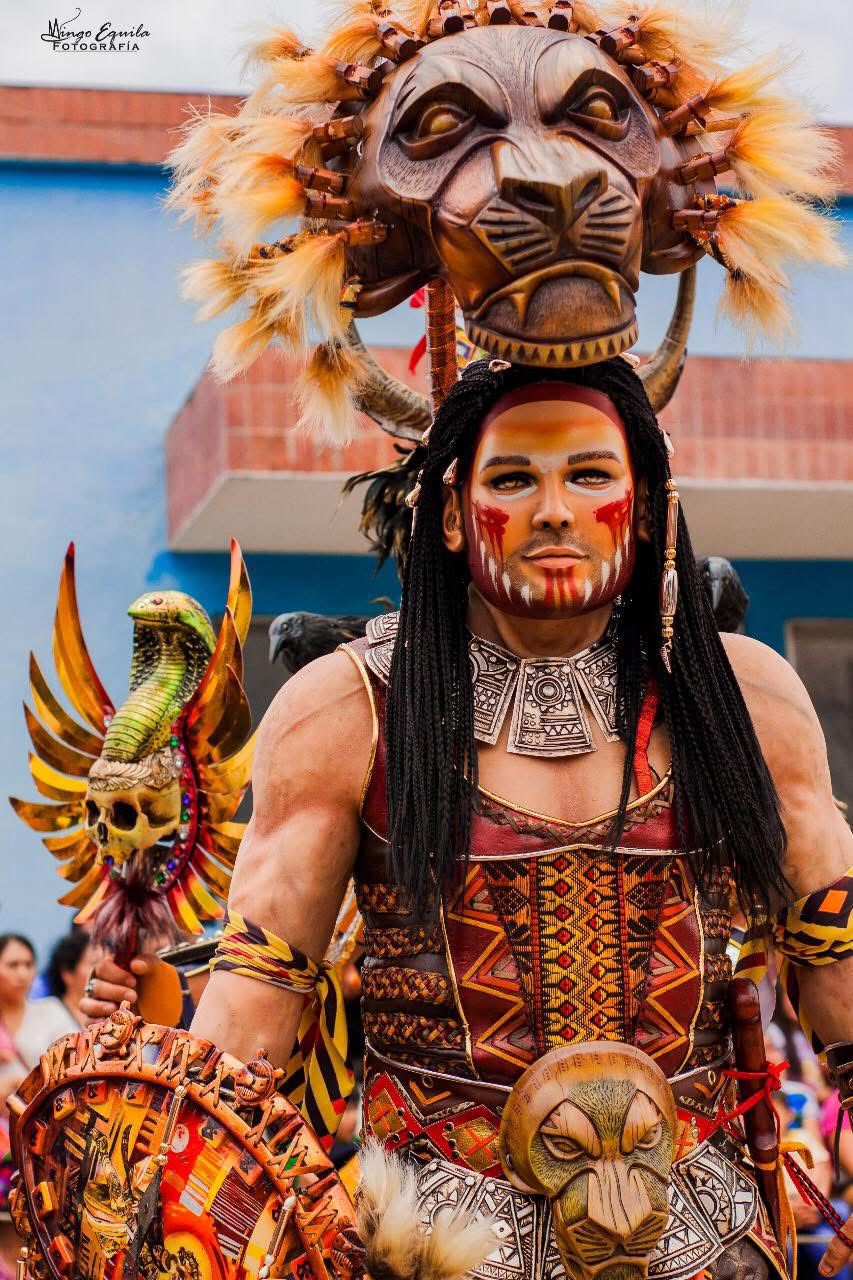
(Photo: Free Press / Juan Francisco Arévalo)
We started shaping small figures in plasticine, and it was in 1995 when we took the step to create our first masks. The fascination with convita costumes – with their masks, accessories and costumes – completely caught us.
Over time, this cultural heritage was strengthened with academic training, which led me to create monumental sculptures, fantasy costumes for international competitions, and to develop architectural and restoration projects.
Although I trained as an architect, my true vocation lives in this workshop, because here is my identity, my root and what I enjoy most.
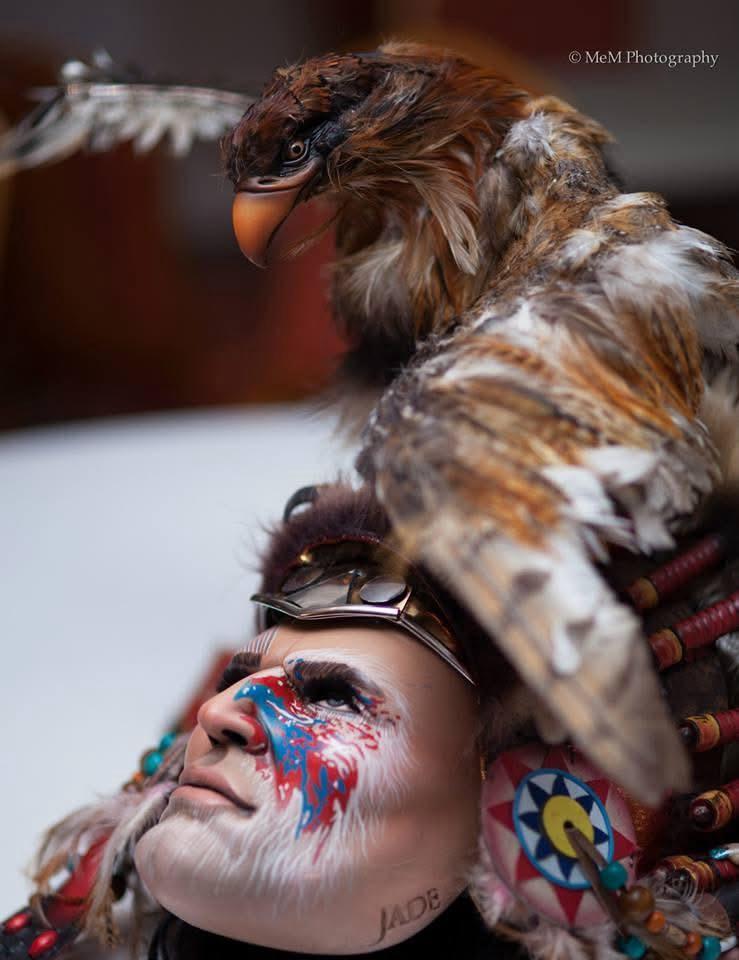
(Photo: Free Press / Juan Francisco Arévalo)

(Photo: Free Press / Juan Francisco Arévalo)
How has your technique evolved in masks’ elaboration?
We are trained in what we call the old school of art, in an era where everything was more natural and organic. In the eighties and ninety we molded with black mud, yellow or coffee, materials that came directly from the earth. Thus our first sculptures were born.
The artisanal process was almost a ritual: after modeling with mud, we applied layers of paper attached to cassava – a natural starch. The piece dried to the sun, cut, joined with hand seams – like surgery – and covered with plaster and beef tail until solidified, a kind of primer layer of yesteryear.
Over time, we begin to modernize the technique. We leave the mud and go to the resin and the fiberglass, which, thanks to the catalysts, dry in hours. A mask that before taking eight days can now be completed in two.
Currently, the modeling process is carried out with sculptor plasticine, as is done throughout the world. Then I believe the against molds, I apply the resin and the fiber, and step to the most artisanal phases: the polishing, the sanding and the paint. First we anchor spray with gun and compressor; Then, we work details with airbrush and brush.
In Jade Art we participate in each stage, from modeling to the pictorial finish. Each mask is a unique piece, a story told with hands, memory and passion.
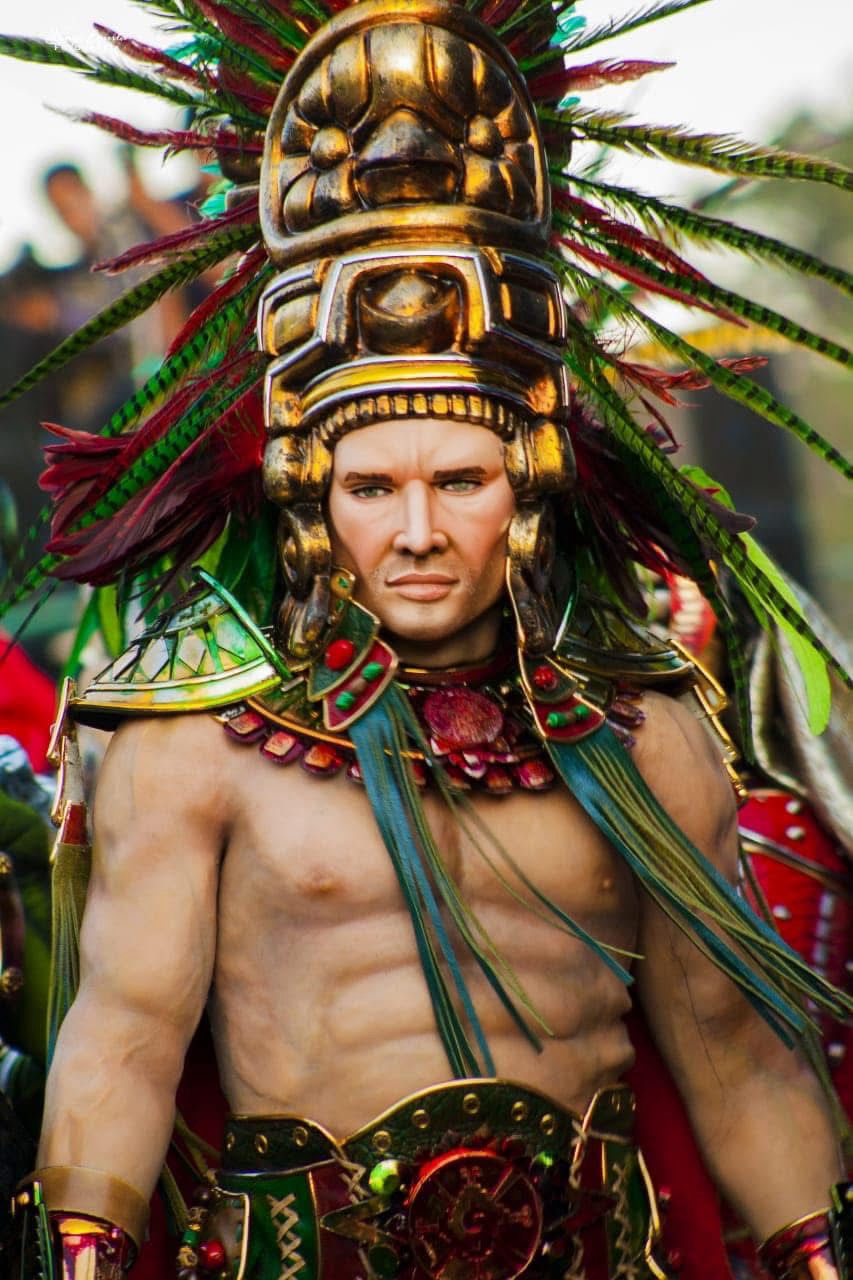
With its creations Arévalo continues to contribute to the Centennial Convite of the Brotherhood of Santa Elena de la Cruz of the Department of Quiché. (Photo: Free Press / Juan Francisco Arévalo)
How has it been to be able to bring Guatemalan culture to international scenarios?
It is an experience that marked my life. In 2020 we had the opportunity to participate in the Travel Adventure Show, in Los Angeles, California, thanks to a scholarship they gave us.
The invitation arose as a result of one of the costumes we made for Miss Guatemala. A lady who admired our work contacted us, visited us in Quiché in 2018 and was the one who managed our participation.
We packed our masks, costumes, dreams, and travel to show the soul of our culture. That event brings together cultural expressions around the world. There was Guatemala, along with Brazil, the Philippines and Africa, and we present the masks of the Convite, one of the most authentic traditions we have.
My brother dressed as Prince Tecun Umán and toured the place, while visitors from all over the world approached to photograph themselves. They asked us curious about the masks, their history, the materials. It was then that we understood the power of art to cross borders.
Arévalo was part of the Jade Necklace project, along with BGT Bella Guatemala Travel, of Los Angeles. (Video: Free Press / Juan Francisco Arévalo)
But what touched my soul much more, was a word that was repeated again and again: nostalgia. Seeing Guatemalans get excited with the marimba, the dances and our masks was moving.
A compatriot in Los Angeles told me: “Here a lot of nostalgia is handled.” That need to connect with our roots has brought together to different parts of the United States.
An example is Guatemala’s convite on Rhode Island, Providence, where every September – in honor of the national holidays – Joyabaj, Zacualpa and other municipalities of the Quiché parade with marimba live in the streets. It is a show full of emotion, pride and longing.
It is really inspiring to see how our traditions remain alive outside the country. Getting to generate what in the world of folklore is called cultural projection, being part of that cultural bridge is, without a doubt, one of the most important achievements in my career.
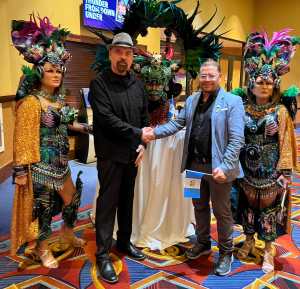
It was part of the preparation and presentation of the Cultural Heritage of Santa Cruz del Quiché in several states of the American Union in 2014, 2016, 2018 and 2019 (Photo: Free Press / Juan Francisco Arévalo)
How has technology influenced the creation of masks and the art you do?
“Convites have been the scenario where we channel our talent.” “Since childhood I found there a way of expressing myself: I started modeling small figures, then faces, always looking for realism. We like that, seeing a mask, people say:” I just need to speak “, perhaps inspired by the beautiful poetic form of Pablo Neruda when referring to a mask with the lost and nonetheless look.
The mask is a complete work: integrates sculpture, painting and thorough details. Through the Convite, this art found its place. We have been perfecting it for more than 30 years, and today we walk hand in hand with technology.
Now we model on computer, we use 3D printing and state -of -the -art materials. We move from the old school – barrus, paper, plaster – to the use of resins, fiberglass and digital tools. That evolution has allowed us to create more precision and in less time. What I used to take eight days, today we finished it in three.
This 2025 we turn 30 with our jade art label, and we want to reaffirm it as “Jade art: art and technology.” Because we believe in conserving artisanal processes, but also in adding technology as an ally of the sculptor, never as its replacement.
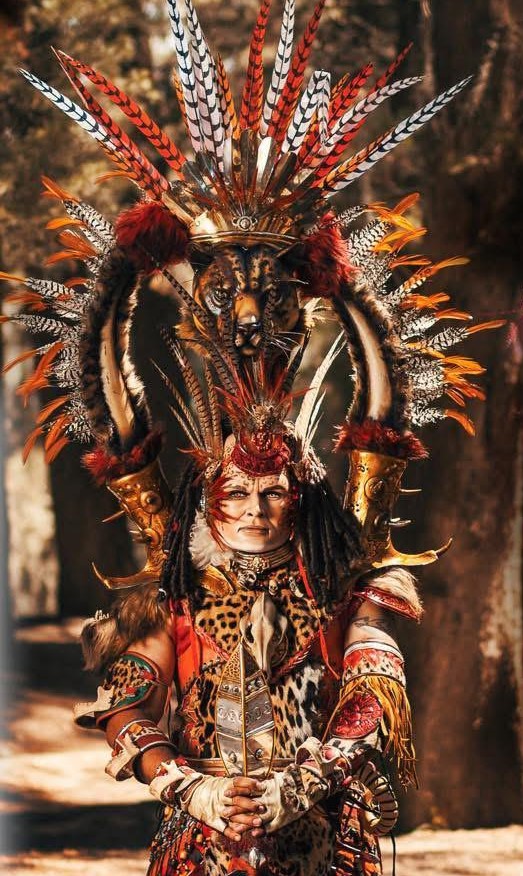
(Photo: Free Press / Juan Francisco Arévalo)
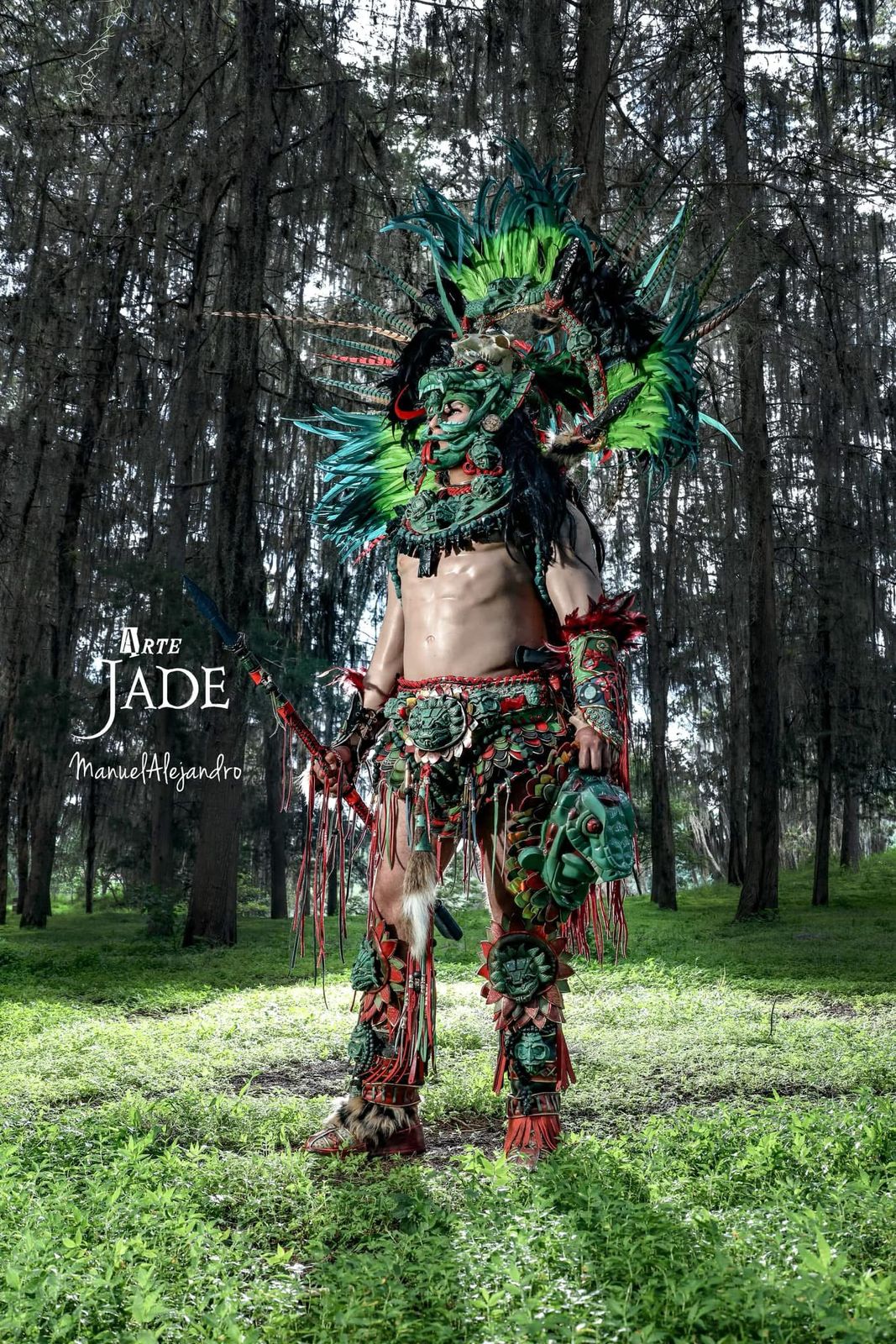
(Photo: Free Press / Juan Francisco Arévalo)
Even Convites have begun to transform. Traditionally, they represented cultures of the world: a couple of conquerors, another from Africans, another of warriors … Today, with the arrival of artificial intelligence and digital art, sometimes we no longer distinguish whether a design is Maya, Persian or Egyptian. That mixture reflects the times we live.
That is why we also form new generations. It is essential to sow in young people interest in art. Let them know that, although everything is done today on computer, there are still the brush, the gouge, the mold … tools that transmit history, art and passion. You have to train artists aware of their roots and then let them find their own voice.
What have been the challenges by dedicating themselves to modeling, painting and masks?
—The biggest challenge has been to sustain an artistic tradition in an environment where art lacks institutional support. In the case of convolutions, costumes, masks and all assembly are paid by the participants themselves. It is a living tradition, sustained by the peoples of the west of the country.
In Guatemala there is a lot of talent: artisans, painters, sculptors … but the support is scarce. After 30 years of maintaining a workshop that works in an artisanal and autonomous way, subsisting thanks to the direct sale of works, I can say that it is not difficult to start: the truly complicated thing is to stay.
The valuable thing is to see how, over time, other workshops, new stamps, many formed here have emerged. Today we are still friends and colleagues.
Sowing the seed which diaspora and visualizing that Germina is enormous satisfaction, but living from art, with dignity and constancy, is a path that not everyone manages to sustain and maintain.
For years Arévalo has worked on restoration and conservation of several religious images and sculpture historical busts (video: free press / Juan Francisco Arévalo)