
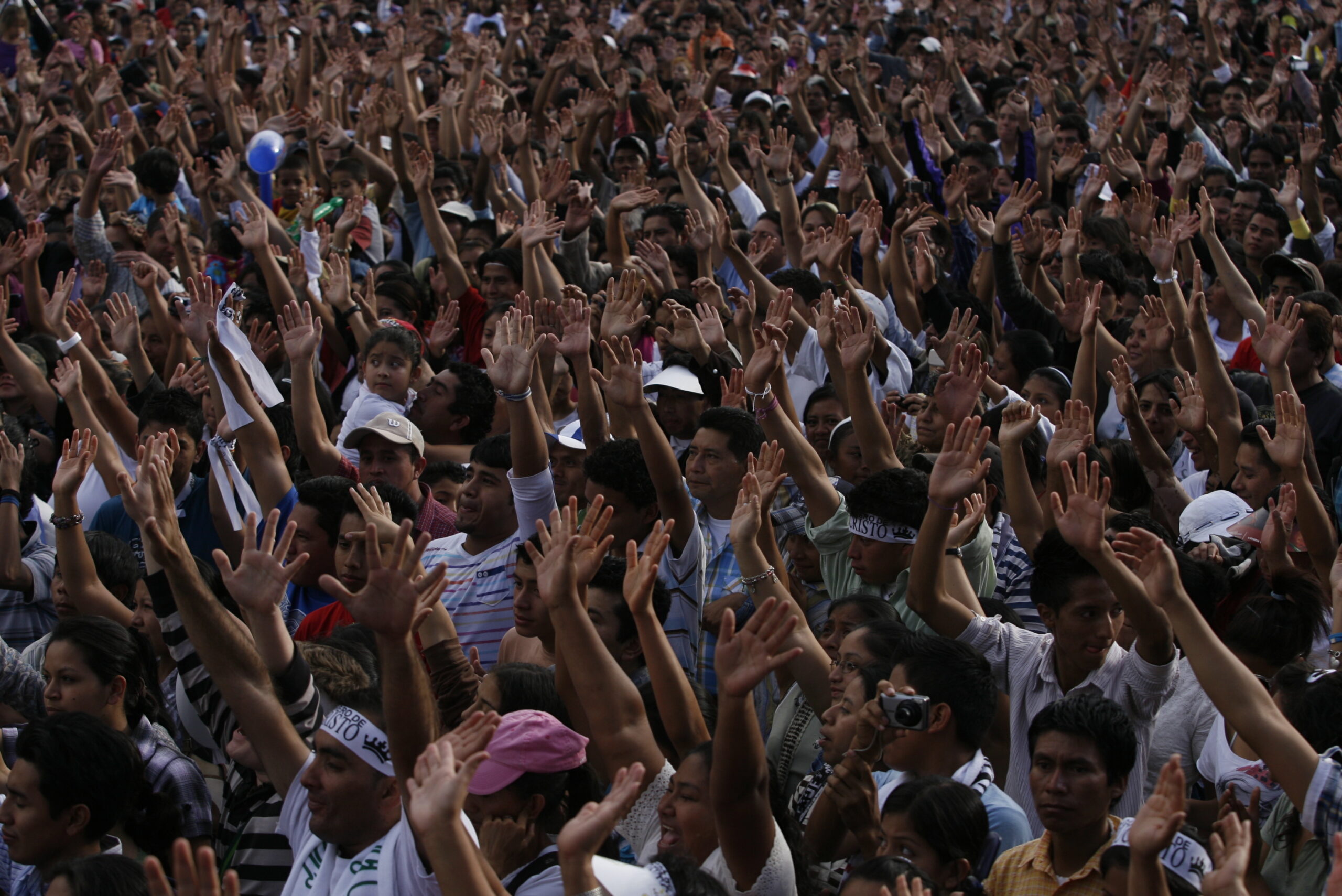
The theologian and professor at the Rafael Landívar University, María de la Luz Ortiz, criticizes war from theology and considers that conflicts between powers reflect an “absolutization of power.” and national security above the common good.” According to Ortiz, theology proposes a vision of peace based on justice, truth and solidarity between peoples. In that sense, he warns that “the language of force has replaced that of law”, which shows an ethical crisis in international politics.
Faith faces a challenge. On the one hand, it can be tested by suffering and uncertainty; On the other hand, it can be strengthened and become an “active hope” that drives solidarity and ethical commitment. The theologian points out that States, especially great powers, “must be at the service of people and peoples,” and not of economic, military or cultural interests that benefit from conflicts. From his perspective, these scenarios evidence what he calls “structural sin”; that is, systems that favor violence and inequality.
Ortiz emphasizes that the Christian faith “cannot be neutral” in the face of war or justify it, since it represents “a failure of humanity.” On the contrary, the believer must prioritize the protection of life, especially of the most vulnerable populations, and act in accordance with principles of justice and respect for international law. Regarding the use of force, he maintains that theology only considers it as a “last resort”, when all avenues for dialogue and mediation have been exhausted, and always under strict criteria that guarantee respect for human dignity. However, he warns that the current context, marked by weapons of mass destruction and collateral damage, puts people’s lives at risk.
religious leadership
Regarding the role of religious leaders, it indicates that they must promote peace, avoid hate speech and act with coherence between their words and their testimony. “His authority does not come from power, but from coherence with life,” he says. Likewise, it warns about the risk of using religion to justify violence. In this sense, he highlights the importance of a solid theological formation, since “when faith is separated from reason and ethics, it runs the risk of legitimizing violence.” It also emphasizes the need to encourage dialogue, self-criticism and the denunciation of any religious instrumentalization for political purposes.
Finally, consider that global crises can become an opportunity to strengthen a faith more committed to social reality. These situations, he points out, invite us to move from an abstract faith to a concrete experience that promotes solidarity, responsibility and the defense of life.
“Theology denounces the power structures that sustain war and affect the most vulnerable”
Religion and peace in times of conflict
In a global scenario marked by conflicts and misinformation, faith takes on a key role. Theologian Nelson García addresses the risks of polarization, the role of religious leaders, and the importance of raising awareness to promote peace, both internationally and in local communities.
How can faith help confront fear of a possible global escalation of war?
It is necessary to understand the current context and resort to guidelines such as those offered by the social doctrine of the Church, for example, in Fratelli tutti. There are keys to not succumb to fear or despair. The main attitude of the believer is faith in God. Although some question the value of prayer in war contexts, faith recognizes that peace comes from God and that He sustains hope.
In times of uncertainty, it is essential to resort to solid criteria to avoid falling into ideologies, propaganda or misinformation. Respect for international law and instruments such as the United Nations Charter would be decisive if it were applied correctly.
From the perspective of theology, what paths are there to peace in the midst of these conflicts?
The social doctrine of the Church is a safe guide, because it translates the principles of the Gospel into social consequences. One of the fundamental principles is the inviolability of human dignity. A single victim is enough to question the direction of a society. In the face of polarization, it is not about taking sides with a power, but rather about avoiding falling into ideologized positions.
What role should religious leaders assume in the face of political decisions that lead to war?
Religious leaders are called to assume an ethical and prophetic, non-partisan role. They should not replace political actors, but rather enlighten conscience from fundamental principles such as human dignity, the value of life, the common good and the primacy of peace. They must raise a critical voice against any logic that normalizes death or civil suffering. This position is humanizing.
Its main reference must be the voice of the victims, especially the most vulnerable.
How to prevent religion from being used to justify conflicts?
The fundamental criterion is that an authentic religion humanizes. If it doesn’t humanize, it doesn’t fulfill its purpose. A correct interpretation of religious texts, understanding their historical context, is also key. In Christianity, these texts are reread in the light of the Gospel. When taken out of context, they can be used to justify violence or power interests. Therefore, interpretation must always be at the service of human dignity.
And that is what we are seeing: biblical figures that today are being exploited, terribly: Samson, David, figures like the promised land. Typologies taken out of their context can be instrumentalized to justify God’s promises, to justify alliances that God has made with a certain people, and there we enter into enormous uncertainty.
What risks exist when believers adopt polarized positions in international conflicts?
Polarization can also manifest itself from extremely conservative positions, distant from social reality and human suffering, as well as disconnected from effective humanization processes. When a believer adopts this type of posture, the consequences impact both faith and society. In the case of international conflicts, the risk of polarization is permanent, due to the narratives that are spread and that position world powers from partial perspectives.
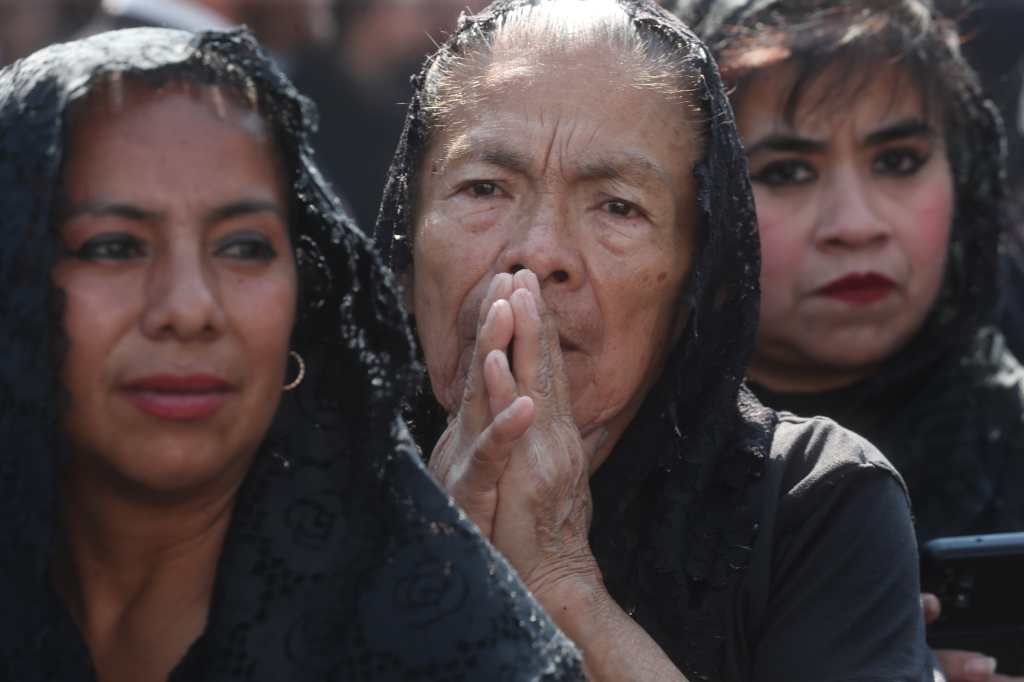
What concrete actions can a religious community take to promote peace locally?
Rather than focusing solely on outward actions, religious communities must strengthen their internal work. This involves forming the conscience of its members and delving into its foundations, especially its sacred texts. In the Guatemalan context, where Christian communities predominate—Catholic and Evangelical—, this process involves rereading and properly interpreting the Bible to form solid criteria in its members. A well-formed community internally will be able to project more coherent actions externally, such as the promotion of justice, the common good, non-discrimination and peace.
If a community limits itself to activism without a solid educational foundation, it runs the risk of reproducing the very polarization it seeks to avoid.
How can a believer discern reliable information in the midst of misinformation about global conflicts?
The main problem today is not the lack of information, but its excess. There is an overabundance of content that makes it difficult to discern what is true and what is false. Given this scenario, the believer must rely on ethical criteria such as truthfulness, honesty, transparency and impartiality.