
The fuel prices recorded strong increases in Guatemala, in a context marked by international volatility derived from tensions between the United States and Iran that began on February 28.
However, users and different sectors denounced that the increase on those dates had been disproportionate and unjustified in the local market.
He Ministry of Energy and Mines (MEM) indicated that several gas stations increased prices despite the fact that the fuel in circulation came from inventories acquired before the international increase.
Faced with this situation, the Government implemented the Sentinel Plan and, through the Directorate of Consumer Care and Assistance (Diaco), filed 76 complaints with the Public Ministry (MP).
According to the official data collected and monitoring of this medium, Between March 2 and April 10the cumulative increases they reached up to Q11.42 in superior and regular gasoline, and Q15.92 in diesel.
Although Guatemalans are awaiting the entry into force of the subsidy for fuel pricesit is also important to know what advances research has had on the Public Ministry.
Investigation without conclusive results
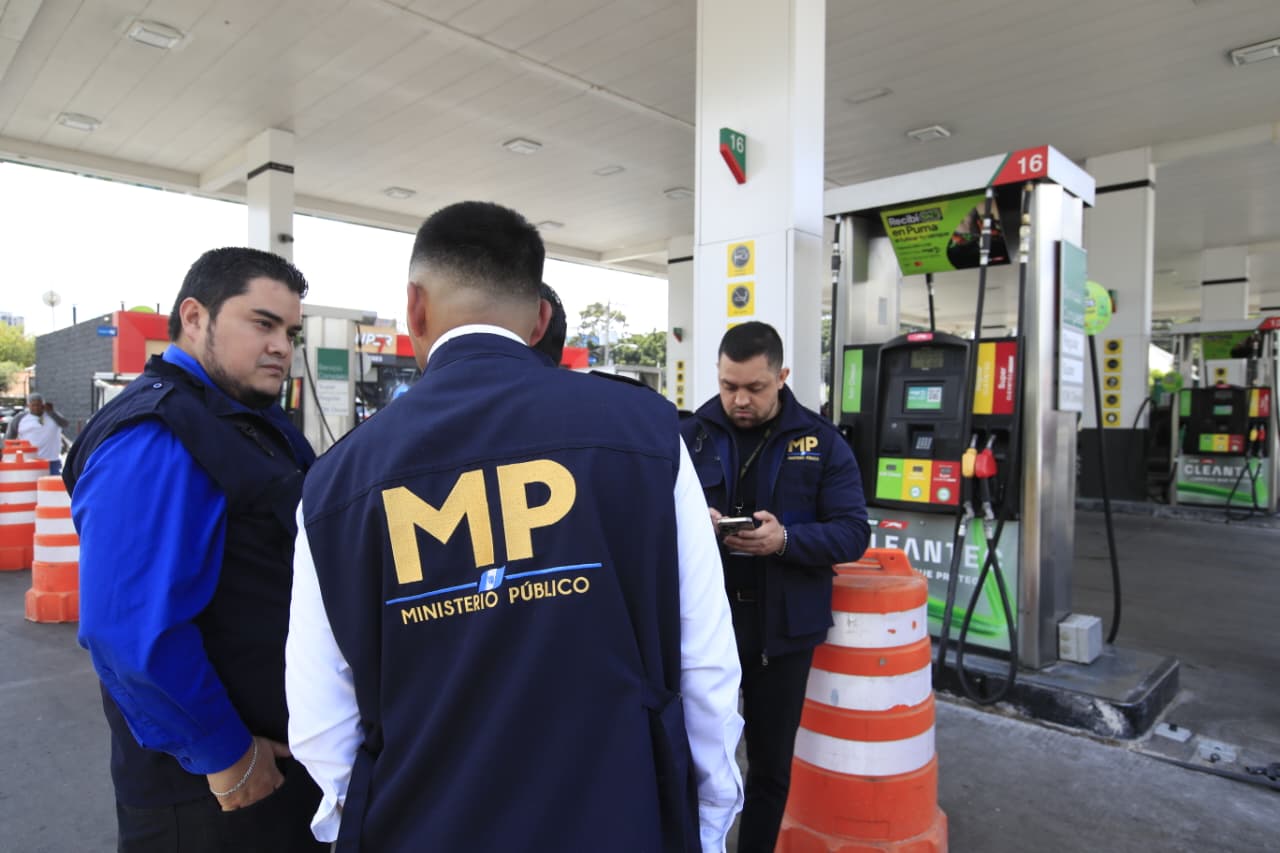
On March 19, MP prosecutors They carried out errands at service stations and estimated that the results could be known in a month.
However, upon expiration of that deadline, the MP confirmed that the investigation is still in the technical analysis phase and without conclusive results.
RELATED READINGS

Spokespersons for the investigating entity indicated that, until now, a single procedure has been carried outin which requested accounting information from gas stationsas fuel purchase invoices and inventory turnover data between the March 1 and 18.
No signs of speculation
According to the MP, the analyzes carried out so far do not allow establishing the possible commission of crimes such as speculation or price manipulation.
The preliminary results indicate that the fuel prices to the consumer are linked to import costs, which depend on the behavior of the international market.
Despite this, the institution stressed that the investigation remains open.
Gas stations send incomplete information, according to the MP
He Public Ministry He noted that not all gas stations have provided the required information after the verifications carried out in March.
Some stations have not presented the requested data, while others have done so only partially, which limits the progress of technical analysis.
RELATED READINGS

Due to this lack of data, the MP indicated that it is not yet possible to confirm or rule out the existence of price speculation.
The investigating entity did not detail whether a specific deadline was granted to the gas stations to comply with the complete delivery of the required information.
Import price analysis
As part of the process, the MP requested the Superintendence of Tax Administration (SAT) the history of import prices of gasoline and diesel, both weekly and daily.
In addition, information has been collected from entities such as the Diaco and the General Directorate of Hydrocarbons, in order to compare import costs with public sale prices.
The MP also explained that each complaint requires an individual analysis, which includes the review of accounting records and the comparison between import and sale prices.
Because the process is still in the information gathering phase, no deadline has been established for possible criminal actions or definitive conclusions.