
Experts in international law consulted pointed out that an ambassador accredited to another country maintains diplomatic immunity as long as he continues to officially exercise that position.
The specialist in international law and former vice chancellor, Luis Fernando Andrade Falla, explained that any criminal action against an ambassador would require first that he ceases to occupy his diplomatic functions. He indicated that, if he were separated from his position and returned to Guatemala, he could remain at the disposal of the authorities to face a possible arrest warrant.
He added that this situation would depend on a decision on his permanence in the diplomatic representation, either by determination of Honduras or through a request by the Government of Guatemala before the Honduran authorities.
Another source consulted explained that diplomatic protection is directly linked to the exercise of his functions as ambassador abroad, so it remains in force as long as he continues to be officially accredited in that position.
Besides, Kevin Lopez, researcher of the Research and Social Studies Association (Asies)pointed out that the Public Ministry can investigate the case and even issue arrest warrants within Guatemala; However, the ambassador maintains diplomatic immunity as long as he remains accredited in Honduras, in accordance with the Vienna Convention about Diplomatic relations.
According to López, this protection would prevent Honduran authorities from carrying out an arrest or processing an extradition while it remains in force. He explained that the scenario would change if he loses office, resigns or if the Government of Guatemala decides to withdraw his diplomatic immunity, which would open the possibility of activating capture and extradition mechanisms.
Meanwhile, the Ministry of Foreign Affairs of Guatemala indicated that the condition and prerogatives of the ambassadors are regulated by the diplomatic conventions ratified by Guatemala and by norms of international law. However, he avoided commenting specifically on the case and pointed out that any consultation had to be made through access to public information.
arrest warrant
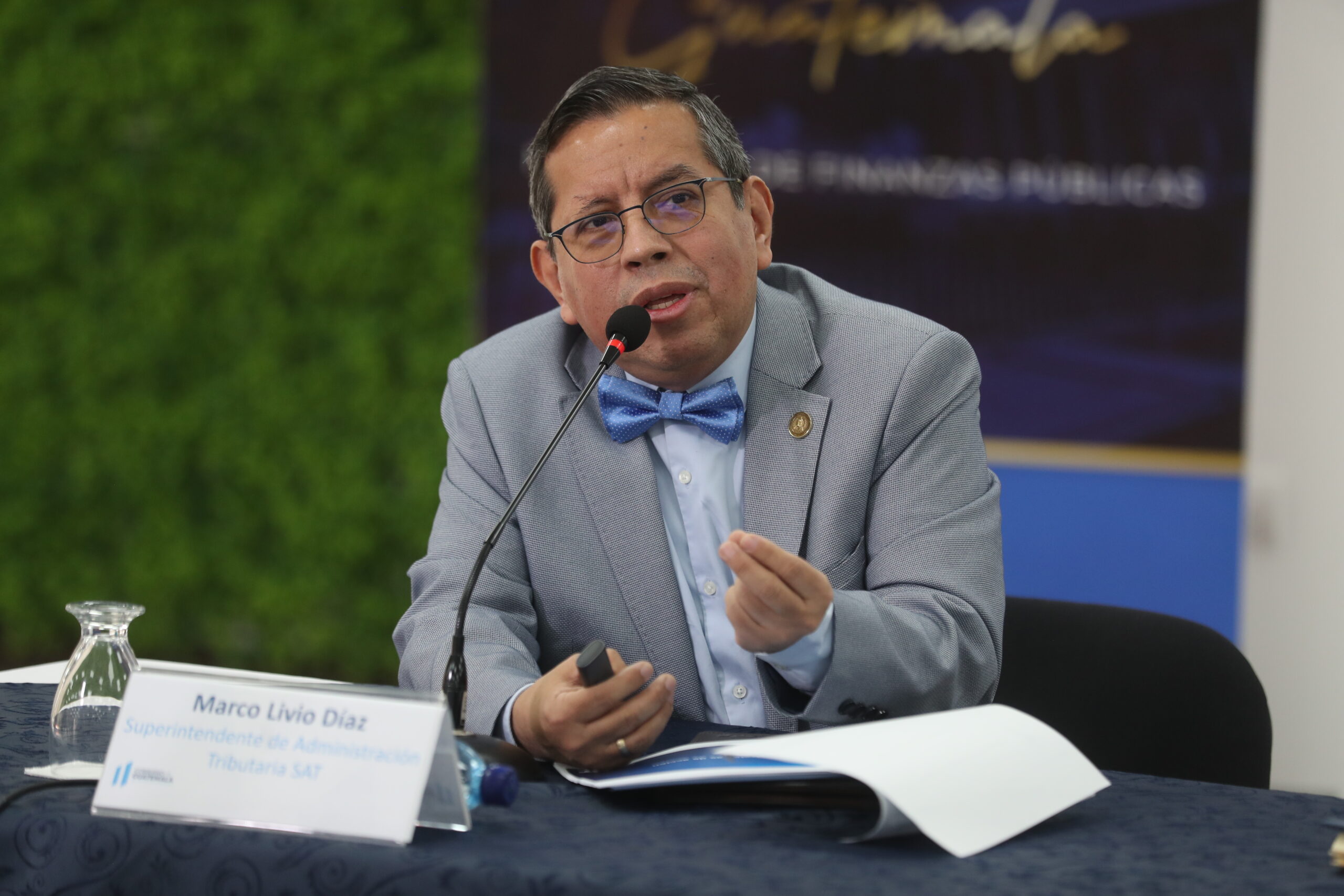
Sources confirmed to Free press a arrest warrant against Marco Livio Díaz, former head of the Superintendence of Tax Administration (SAT) and current ambassador of Guatemala in Honduras, for alleged money laundering and embezzlement by theft.
The investigation of the Special Prosecutor’s Office against Impunity (Feci)subject to reservation, is related to an agreement between the SAT and a private university. According to sources, a public limited company linked to associates of Díaz would have coordinated hiring and received close to Q1.5 million from the SAT.
The authorities carried out raids to execute two of three arrest warrants; however, the results were negative.
Díaz was appointed as ambassador in the neighboring country on July 1, 2025.
Months before, in December 2024, the SAT, with Díaz at the helm as Superintendent, offered a tax and legal solution to those involved in the case called B410 to regulate themselves before the treasury. Two days after that press conference, he confirmed that was being investigated by the MP after reporting the cases of tax fraud B410 and Eureka-B410.
With information from journalist Douglas Cuevas.