
Although Guatemala still does not register cases of hantavirusthe concern about this disease and the Andes strain increasessince it is known to be the most dangerous because it attacks the lungs and puts the life of the infected patient at risk.
Transmission of this strain occurs when a person inhales microscopic particles or aerosols contaminated with urine, feces or saliva from an infected rodent.
“This can happen in activities such as, for example, cleaning a cellar, a cabin, a barn or any space where there have been infected rodents. It can also be transmitted by touching contaminated surfaces and then touching your mouth or nose. or by direct bite from the rodent, although this is less frequent,” explains Nancy Sandoval, infectious disease specialist and internist.
After infection, symptoms take time to appearsince the incubation period regularly ranges between two and four weeks. Initially, the patient may present with flu-like symptoms, such as high fever, chills, headache, and severe muscle pain; However, these increase as the days go by and trigger difficulty breathing, a feeling of suffocation, fluid in the lungs and heart failure.
How to avoid hantavirus infections?
To avoid risks of contagionthe expert recommends taking into account some practical and effective prevention measures.
At home and work spaces:
- Seal cracks and holes in walls, floors and ceilings that allow the entry of infected rodents
- Store food—including pet food—in airtight containers
- Keep storage areas clean and eliminate accumulations of trash or materials where rodents can nest.
When cleaning spaces with possible contamination:
- Never dry sweep a cellar, cabin or space with rodent feces; moisten first with diluted bleach (1 part chlorine to 10 parts water)
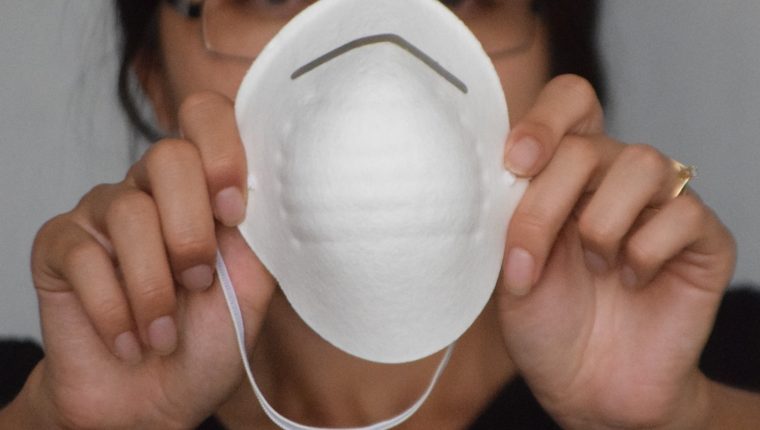
- Wear gloves and a mask—minimum N95—when cleaning
- Ventilate the space for at least 30 minutes before entering
When doing outdoor activities:
- Avoid camping near burrows or areas with evidence of rodents
- Do not leave food inside the tent
- Sleeping on elevated floor surfaces in risk areas
If you work or travel to endemic rural areas:
- Inform the doctor if fever develops in the following weeks and mention the history of rural exposure.
- Knowledge of risk is the first line of prevention
“When hantavirus is suspected, the most important thing is to act quickly and seek emergency medical attention. You don’t have to wait to see if it goes away on its own. It is also important to report possible exposures to rodents or contaminated spaces in the last four to six weeks,” warns Sandoval.