
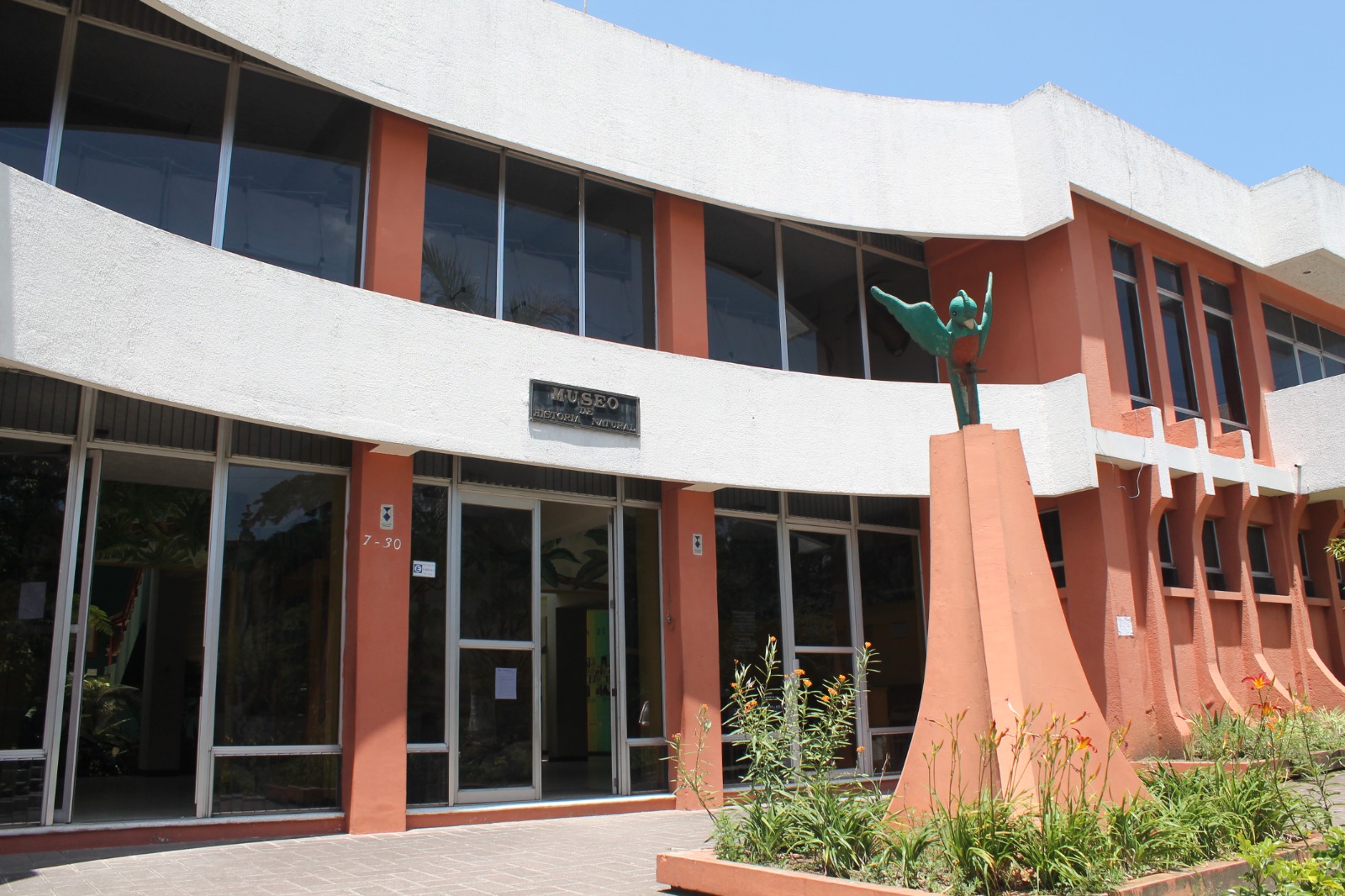
Between corridors that allow you to travel through time and walls that protect fragments of collective memory, museums are seen as guardians of history. However, their function goes much further: they help understand the cultural, artistic and scientific roots of a country, while opening the way to new expressions and discoveries that continue to build its identity.
In Guatemala, museums preserve an ancestral heritage marked by contributions to science, art, architecture, gastronomy and astronomy. This wealth is reflected in more than 120 museums counted by AMG-ICOM, Association of Museums of GuatemalaThere is a local committee of the International Council of Museums, which covers public, private and other spaces.
The country’s cultural diversity is also reflected in its museum spaces; However, they face the challenge of reinventing themselves in a digital age and finding new ways to approach the public.
The lack of a culture of visiting museums, resource limitations and difficulties in achieving self-sustainability have slowed down its development, experts highlight. Despite this, museums seek to remain current and project themselves into the future without losing their essence: preserving memory and strengthening the cultural identity of the country.
The rise of museums
To understand the current reality of museums and the future they seek to build, it is first necessary to understand their roots. Miguel Álvarez Arévalo, chronicler of Guatemala City, explains that the first museums in the country arose under the influence of the European Enlightenment of the 18th century, a movement that promoted science and knowledge.
In 1796, the first museum in Guatemala emerged, a space dedicated to exhibiting the mineral and natural wealth of the territory, located in the Royal Palace. However, it closed some time later and reopened in 1826, although it again had a brief existence, says Álvarez.
Later, in 1866, the Economic Society of Friends of the Country proposed the creation of a National Museum to present the natural and cultural wealth of Guatemala in a classified way. The facility was installed in the building now occupied by the Congress of the Republic and remained there until 1881, when it was closed.
In the 1920s, an archeology institute was created in charge of looking after the museums. Years later, this institution promoted the creation of the National Museum of Archeology and Ethnology, using the Tea House of the La Aurora Zoo.
Later, during the government of Dr. Juan José Arévalo, the Institute of Anthropology and History was founded in 1946, with the purpose of coordinating existing museums, promoting new spaces and strengthening scientific research. A year later, the Congress of the Republic supported these actions with Decree 425 on the Protection of Cultural Heritage.
As time went by, new museum spaces arose that depended on the Ministry of Education; However, with the entry into operation of the Ministry of Culture in 1986, these became part of that institution. Since then, they began to organize themselves as national, regional and local museums, which allowed the country’s museum network to expand to more than 120 spaces, the chronicler highlights.
Facade of the Popol Vuh Museum in Miraflores zone 11. (Photo Prensa Libre: Hemeroteca PL)
Reality of museums and progress towards the future
Museums today face a number of challenges, from low budgets to closures. Spaces such as the Museum of Antique Books, the National Museum of Modern Art “Carlos Mérida” and the Museum of Colonial Art remain closed, while others have limited resources to survive or adapt to the digital age.
Ana Paula Miranda, president of the Association of Museums of Guatemala, highlights that museums continue to be fundamental spaces for the development of people, because they not only protect historical collections, but also allow interaction, training and inspiration to create.
Among the challenges that affect the current panorama of museums, Miranda mentions the lack of a museum culture and, mainly, the lack of resources to execute projects that promote the development of these spaces for the benefit of their visitors.
Although there are proposals to link museums with the digital era and make them more inclusive for people with disabilities, Miranda highlights that the low budget delays their transformation.
Although technology is often considered a distraction for new generations, Miranda affirms that it should be seen as an opportunity to reinvent oneself and implement tools such as gamification, in order to connect with new audiences.
Regarding the possibilities of integrating immersive experiences, digitalization and virtual tours, he highlighted that the International Council of Museums (ICOM) has sought alliances to develop projects promoted by the professionals who make up the institution.
“Museums have the space, the collection, the cultural wealth; let’s say that the heart is the cultural wealth. Without that, everything else could not exist. An immersive exhibition would not make sense, but we already have the heart. The ways to present it are infinite,” highlights Ana Paula Miranda.
He added that what is missing to develop these digitization projects are resources, although he emphasized that some museums have made progress in modernizing their spaces, seeking to include activities and technology that allow them to offer new experiences to users, which is why he believes that in some years they could incorporate technology aimed at highlighting their collections.
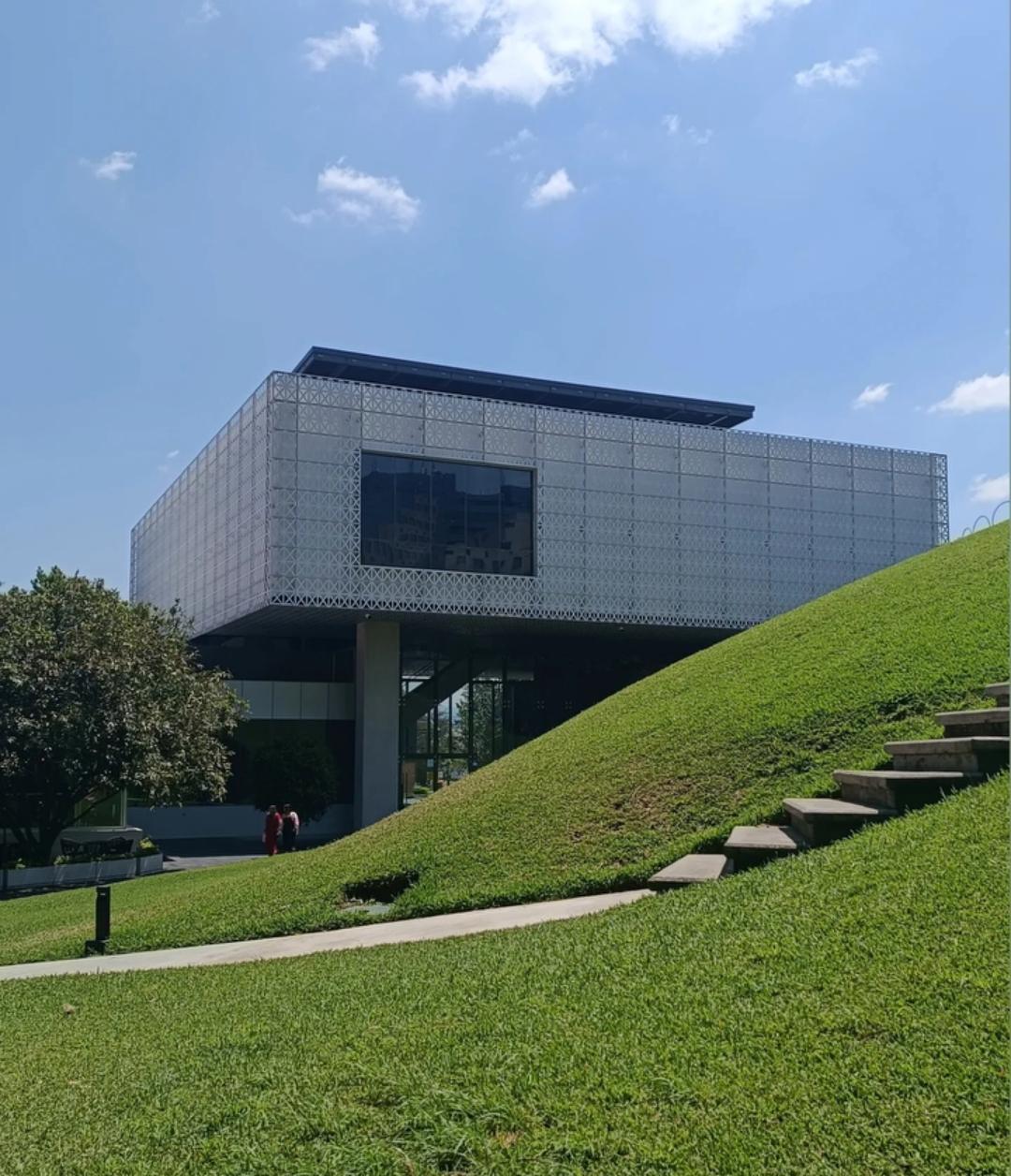
Miraflores Museum located in zone 11 of Guatemala City. (Free Press Photo: Newspaper Library PL)
Prioritize new museums or improve existing ones?
These spaces, which today function as centers of research, learning and cultural legacy, face deficiencies and even lack of infrastructure. From the perspective of the president of the Association of Museums of Guatemala, the country must focus on strengthening what already exists.
He stressed that, although creating new spaces would be positive, the improvement and strengthening of current museums must be prioritized. In that sense, he considers that a museum law would help strengthen the foundations of the system and allow the establishment of a structure to define how to create, improve and certify these spaces.
“Have a very strong network of museums in Guatemala. Because the cultural wealth is very vast, so we must strengthen what we already have.”
In seeking to improve the current network of museums, he mentioned that they are working together with Inguat to create a Museum Directory that can provide updated information about these spaces.
Cultural manager Roberto Broll highlighted that the main gaps are not only in resources, but also in government attention. This impacts human resources, the budget and planning, which is why he advised first addressing the state of the current museums before promoting new projects.