
The US Embassy in Guatemala called on Congress this Thursday, May 21, to approve the anti-money laundering law.
“We urge Guatemala to pass an anti-money laundering law that meets the standards of the Financial Action Task Force (FATF) and helps close the door to drug traffickers and criminals who put American and Guatemalan communities at risk,” he noted in his social media post.
“Passing this law will promote the prosperity and security of both the United States and Guatemala,” the Embassy highlighted.
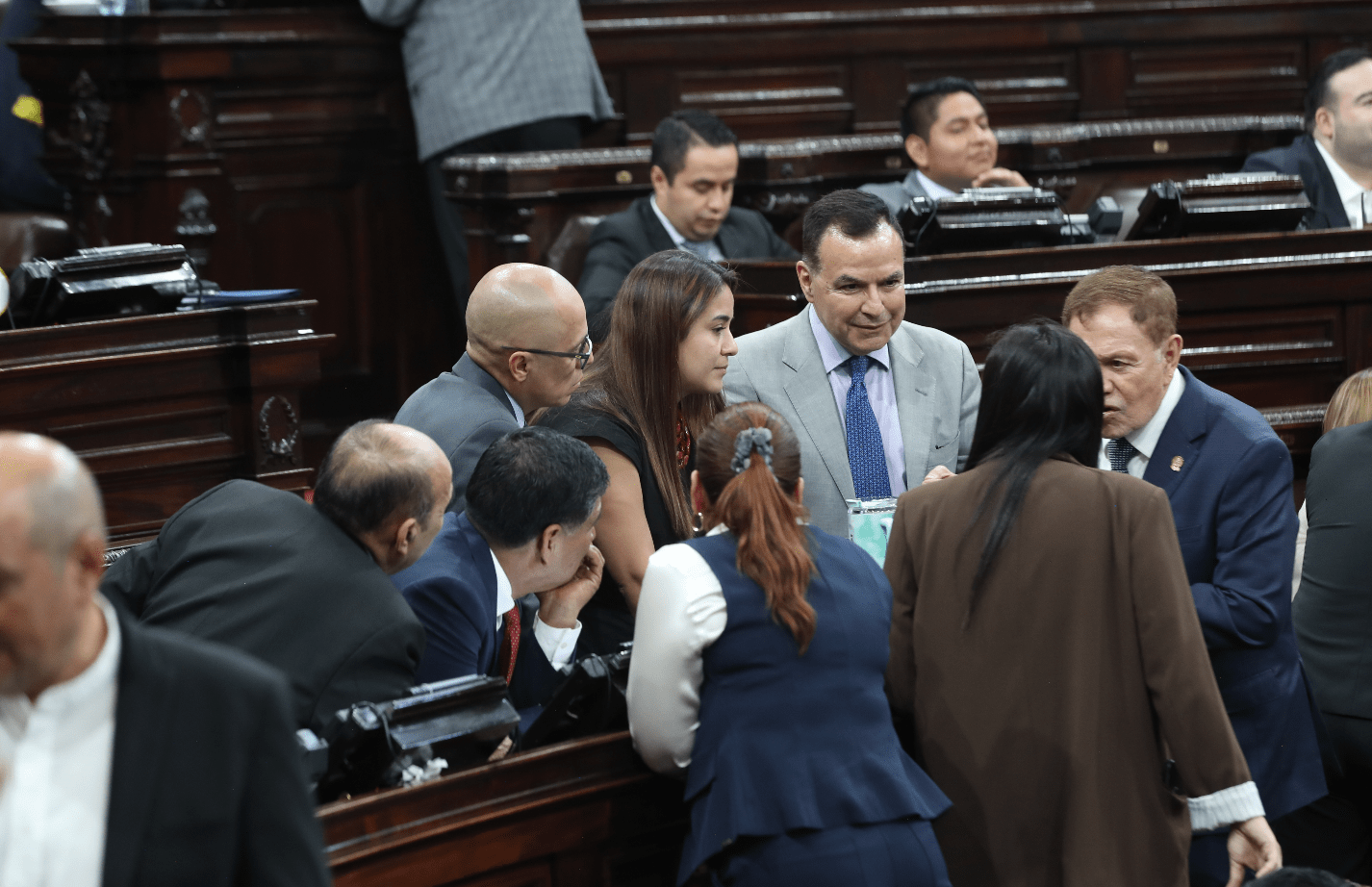
On May 12, the first period of sessions of the Legislature ended, and the deputies did not approve by articles or in final wording initiative 6593, which proposes the creation of the Comprehensive Law against Money Laundering or Other Assets and the Financing of Terrorism.
The initiative had been scheduled again in that ordinary session, but there was no progress.
The plenary session was paused for more than two hours, due to the search for consensus between the different blocks of deputies to approve the norm.
That is, the deputies postponed the approval of the law after disagreements over new last-minute amendments presented in plenary on May 12.
In interview at Free Press Radio on May 14, The president of Congress, Luis Contreras, indicated that it was he who made the decision to break the quorum to prevent these amendments from being known in plenary.
The official explained that approving non-consensual changes could compromise compliance with the FATF recommendations and leave the law incompatible with international money laundering prevention standards.
What are the amendments
A first package of amendments that would have had support among the parties, according to deputies who prefer not to be named, includes suggestions for changes to articles 2, 25, 52 and 83.
Article 2 explains the definitions of the law; The 25th modifies the original definition of Politically Exposed Person; 52 reaffirms that the IVE data cannot have probative value or be the basis for precautionary measures, and 83 softens the prison sentence for “others responsible” for collaborating in money laundering.
The second package of amendments that will be evaluated is related to articles 8, 73, 74 and 111, according to a document that has been shared among the deputies.
One of the amendments, to which he had access Free pressestablishes a new article in the law against money laundering, 123, which modifies the application of the Domain Forfeiture Law, contained in Decree 55-2010, for the crimes provided for in this new law.
The proposal establishes that the forfeiture of ownership, in crimes related to the anti-money laundering law, could only be applied when there is a final criminal sentence against the owner, possessor or real beneficiary of the asset – money, real estate or others.
We urge Guatemala to pass an anti-money laundering law that meets Financial Action Task Force (FATF) standards and helps close the door on drug traffickers and criminals who put American communities at risk and…
— US Embassy Guatemala (@usembassyguate) May 21, 2026
Stay up to date with the Now newsletter. Key information at the moment it happens. Subscribe here.