

Congress managed to approve the anti-money laundering law with a final vote of 147 deputies who supported decree 15-2026, with which they hope the country avoids financial sanctions at the international level.
The new standard is identified as the Comprehensive Law against Money Laundering or Other Assets and the Financing of Terrorism, promoted by President Bernardo Arévalo.
This initiative was presented on July 28 of last year, but it was presented before the plenary session of Congress until September 2, where it was agreed to transfer it to the Economy and Finance commissions.
From that moment on, the deputies began the analysis of the anti-laundering law, which with the approval of this June 2, 2026, reflects a delay of nine months for the deputies to update the national legislation to combat this criminal activity.
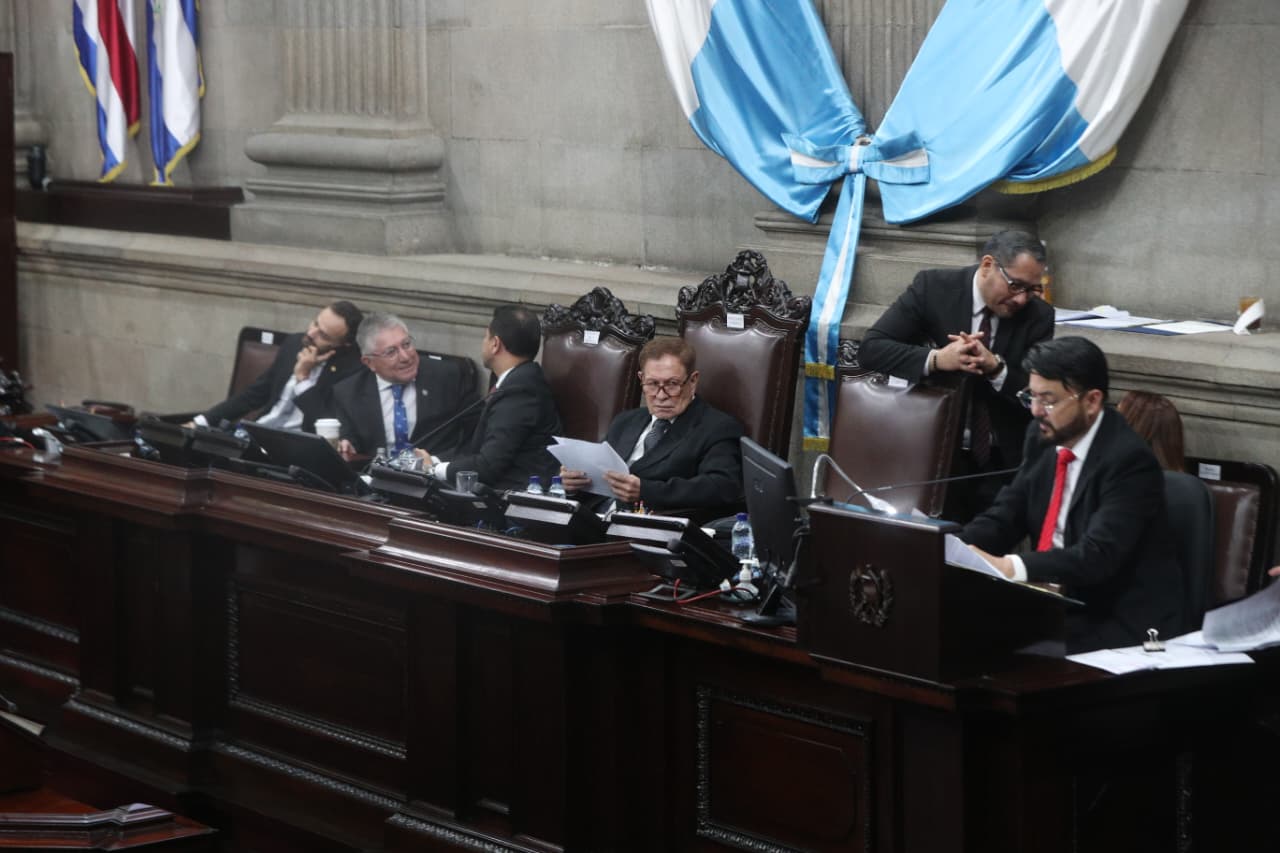
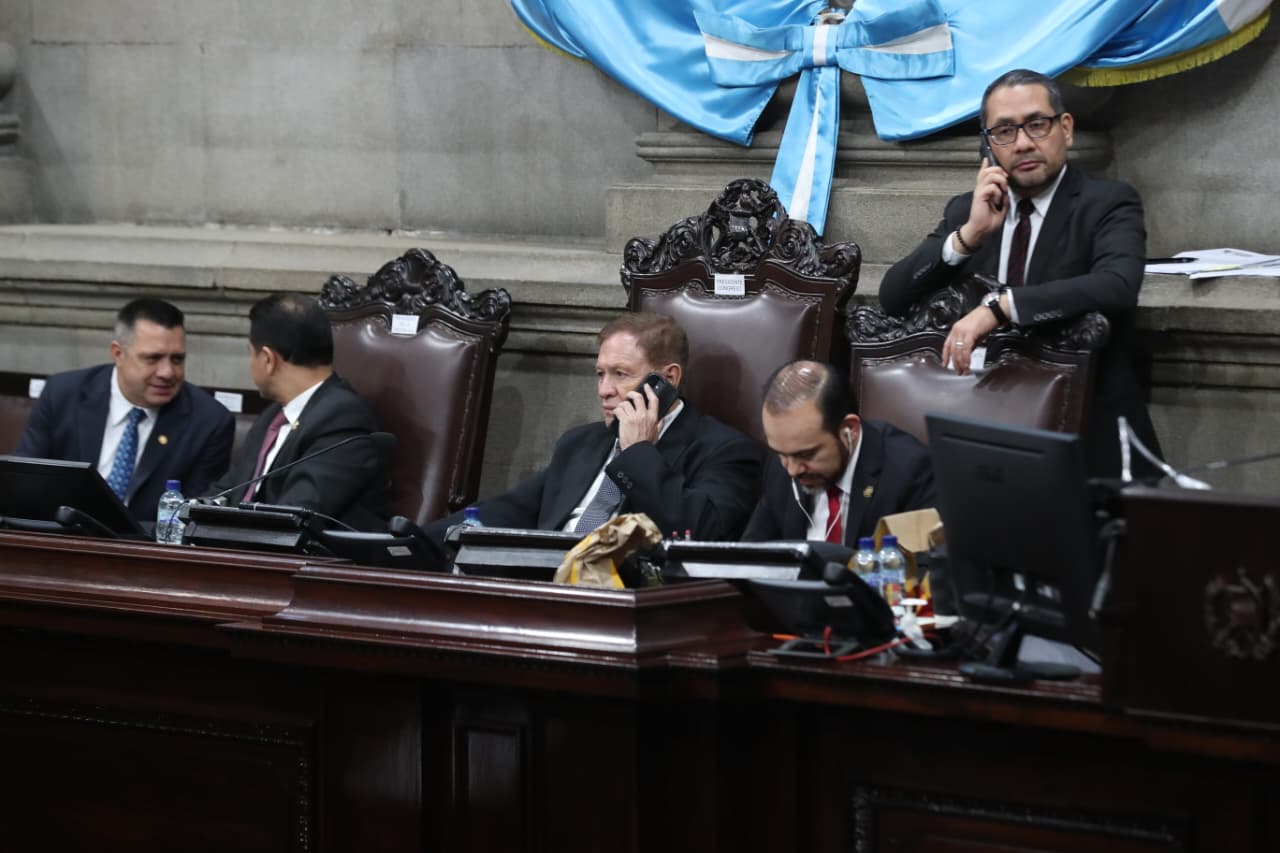
Congress held an extraordinary plenary session this June 2 after reaching a political agreement between the different groups, according to the authorities of the Legislative Body.
This position was obtained by the deputies of the Permanent Commission, Block Heads and members of the Economy Commission, who managed to agree on a package of 15 amendments that were included in the project.
These modifications, according to the congressmen, seek to be clear to avoid misinterpretations of the law; suggestions for changes that had the support of the Superintendence of Banks (SIB) and the Special Verification Intendancy (IVE).
The passivity of Congress to approve the law meant that several sectors had to express the need for urgency to approve the law, which seeks to modernize the system for preventing this crime and the financing of terrorism.
The urgency of the approval lies because Guatemala will have an evaluation by the Latin American Financial Action Group (Gafilat), an entity that hopes to find renewed legislation that meets international standards.
Failure to do so meant a sentence for the country’s economy, according to business sectors and analysts, who warned that the country would be included on a gray list if said law was not approved.
The approval
Due to the type of legal modifications, Congress required at least the vote in favor of 107 deputies to finalize its approval, but because it was an extensive law, the deputies agreed that its approval would be done by titles.
Title I, which integrates articles 1 and 2, was approved with 135 votes in favor and 5 against, according to Congressional records. The first of the amendments agreed upon by the deputies who have the support of the SIB and the IVE was included here.
Title II, which integrates articles 3 to 44, was approved with 132 votes in favor and 13 against. Five other amendments agreed upon by legislators were also included in this part.
Title III covers articles 45 to 72 and was approved by the deputies with 147 votes in favor and no votes against. In this part of the law, one more amendment was included, that relating to article 52.
This amendment stipulates that the financial intelligence reports issued by the SIB or the IVE cannot be used as “probative value” within any judicial process, since the data are “preliminary information.”
The above means that the Public Ministry (MP) in the investigation processes that it is in charge of, whether for money laundering or financing of terrorism, will not be able to use these reports to make legal demands against possible suspects.
Title IV of articles 73 to 103 was approved with 141 votes and only 5 against. Three amendments were also included here, but it was the chapter that generated uncertainty in past sessions.
This block of rules for the anti-money laundering law contains everything related to sanctions and penalties for money laundering crimes, a segment that had generated debates among deputies.
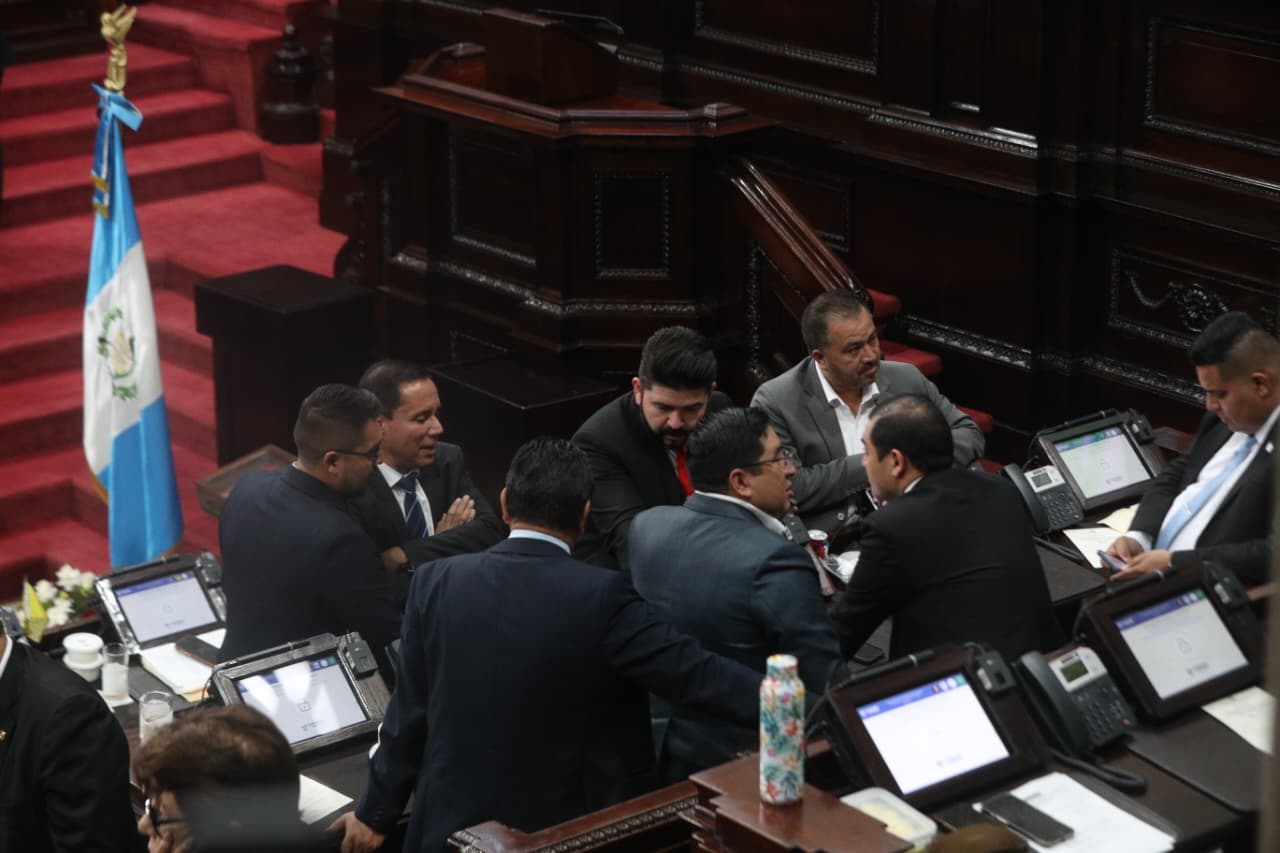
Even for this part of the plenary session, some deputies who preferred not to be named warned of the risk of attempts to promote amendments outside the agreements, but finally this fear was ruled out.
Due to the rules and penalties against the crime of money laundering that the new law updates, only five deputies voted against: Allan Rodríguez; Edgar Reyes Lee; Ricardo Martínez and Guillermo Cifuentes, from the Vamos block; and the independent representative, Karina Paz.
Title IV of the anti-money laundering law that regulates sanctions and penalties for the crime of money laundering and financing of terrorism received the vote against only 5 deputies, including Allan Rodríguez, head of the Vamos bloc. pic.twitter.com/wwZSoAVDL3
—Douglas Cuevas (@dcuevas_pl) June 3, 2026
Through a reasoned written vote, Representative Karina Paz informed the Congressional authorities that her vote was in favor, but that the system marked it against, requesting that the necessary corrections be made in the records of the Legislative Body.
Title V, which details articles 104 to 115, was approved with 145 votes and 4 against. This block of rules also included two consensus amendments.
Finally, title VI, which contains articles 116 to 126, was approved with 145 votes and had a resistance of 5 votes. Three amendments were added, two of which include two new articles, so the law will reach 128 articles.
Satisfied
Deputies from different groups said they were satisfied with the approval of the anti-money laundering law, mainly because the country managed to reach the required international levels.
One of them is Jorge Ayala, member of the Valor bloc and president of the Economy Commission, who promoted the analysis of the amendments and the search for consensus, together with the president of Congress.
“It is a very important law, Guatemala updates its regulatory framework on issues of money laundering and terrorist financing after 25 years. Today Guatemala has a law that will be in full compliance with the FATF. The law was constructed and each of its amendments so that it is in accordance with the FATF recommendations”Ayala said.
The deputy said Laura Marroquín, from the pro-government group Raíces, believes that the law will be beneficial for the country. “We are fulfilling this mandate to modernize this legal framework that is more than 20 years old. The people of Guatemala have very good news because they will be able to enter an evaluation with a law that seeks to meet international standards”.
Representative Victoria Palala, leader of the ruling party, was also in favor of the new law. “Consensus was achieved for these 15 amendments after weeks of work, today we will have a modern law and we celebrate that Congress reached an agreement.”
Deputy José Chic, deputy head of the Will Opportunity and Solidarity (VOS) bloc, estimates that the justice system now has better tools to attack criminal groups.
“The Guatemalan population is protected, we must remember that the country could have entered the gray list and that could directly affect the economy, the economy of more than 2 million migrants in the United States and who have sustained the economy,” Indian.
On the opposition side, deputy Roberto Calderon, from the Vamos bloc, also showed his liking for the new law. “Guatemala was one of the last countries left without an appropriate law against money laundering. It is a responsibility of us as deputies to have an appropriate law for the country. It could not be postponed, it was a popular and also international cry that must be complied with.”
Stay up to date with the Now newsletter. Key information at the moment it happens. Subscribe here.