
Ancestral knowledge and devotion are two distinctive elements of the country that are currently seeking the registration of The Pilgrimage to the Black Christ of Esquipulas and of the Knowledge and Practices in the Preparation of Messages of the Mayan Cultures before UNESCO.
Last October, the Ministry of Culture and Sports (MCD) shared with Free press that had submitted a formal request to the United Nations Educational, Scientific and Cultural Organization (UNESCO) to evaluate the inclusion of knowledge and practices in the preparation of messages from the Mayan cultures in Guatemala, which are weeks away from being evaluated.
This June 5, the Ministry of Culture and Sports announced that, together with the Ministry of Foreign Affairs (Minex), it promotes the inscription in the Representative List of Intangible Cultural Heritage of UNESCO of this gastronomic and cultural knowledge. The Pilgrimage to the Black Christ of Esquipulas and its cultural manifestations.
Through a statement, the Ministry of Culture highlighted that these nominations seek to recognize cultural expressions that continue to live in the country and that are part of the Guatemalan cultural identity.
The authorities highlighted that these applications to UNESCO seek to strengthen the international recognition of cultural expressions that are part of the identity of Guatemalans and the living heritage of Guatemala.
Both files could be evaluated in the next sessions of the Intergovernmental Committee for the Safeguarding of the Intangible Cultural Heritage of UNESCO.
The Technical Directorate of Intangible Heritage of the Vice Ministry of Cultural and Natural Heritage said last October to Free press that the Government of Guatemala has opted in recent years to position its cultural heritage before the international community.
“It is a strategy to make our wealth known, and the messages are an element that we can spread and position globally, as part of the living Mayan culture,” highlighted one of its authorities for an article in Free press on the quest to declare Guatemalan errands as heritage.
Pilgrimage to the Black Christ of Esquipulas
January 15 is the date on which Catholic devotees make a massive pilgrimage to the Basilica of Esquipulas, where they bring their requests and thanks to the Black Christ.
This event, known as the Pilgrimage to the Black Christ of Esquipulas, has become one of the most important religious and cultural pilgrimages in Mesoamerica, Culture highlighted.
This activity, which year after year brings together groups of pilgrims who travel great distances to the Basilica of Esquipulas, combines in the same space spirituality, gastronomy and community forms of organization transmitted from generation to generation.
With the search to include this pilgrimage as heritage, Culture highlights that it not only seeks to protect this religious practice, but also the cultural elements that have emerged around it.
Practices in the preparation of messages from Mayan cultures
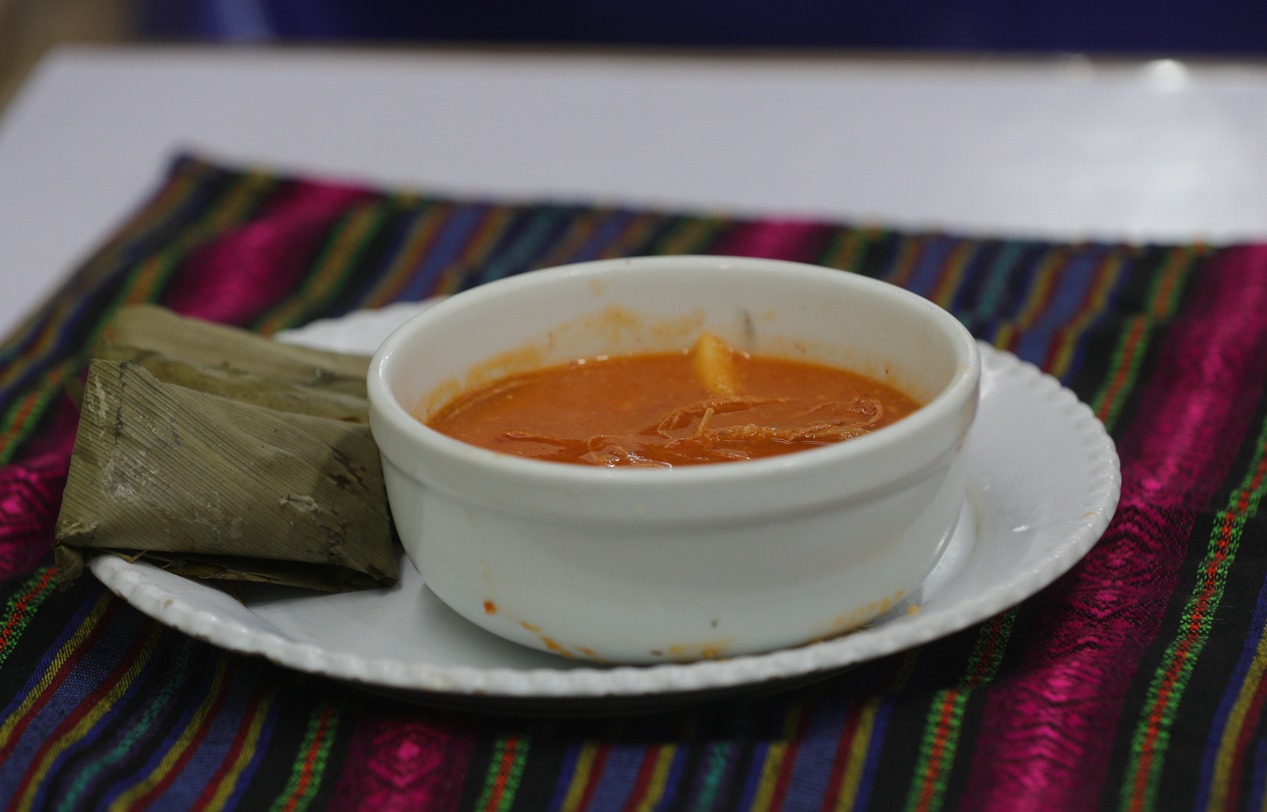
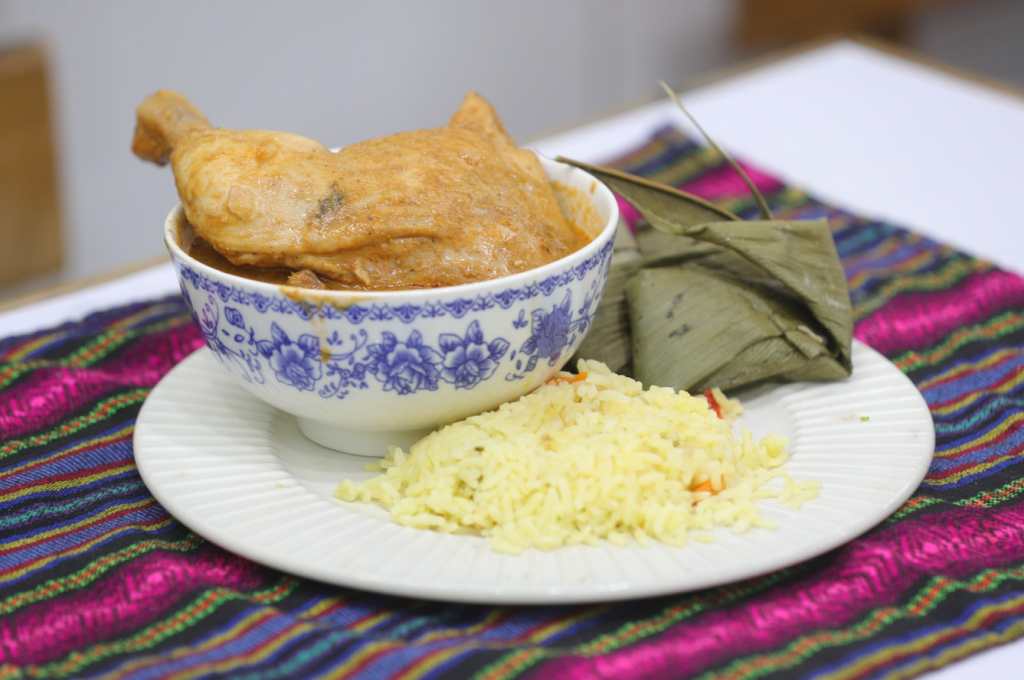
Present in ancestral dishes such as pepián, kak’ik and those used in the tradition of tamales, the nomination of Mayan errados seeks to protect and exalt not only gastronomy, but also the history and cultural process that goes into its preparation.
This knowledge brings together ancestral techniques, local ingredients, traditional preparation methods and practices linked to family, ceremonial and community life.
This also seeks to enhance the cultural heritage of indigenous peoples and highlight the essence of Guatemalan gastronomy, according to what Culture authorities told Free press in an article published last October.
List of intangible cultural heritage before UNESCO
- Technique for making giant kites from Santiago Sacatepéquez and Sumpango Sacatepéquez
- Holy Week in Guatemala
- Garifuna language, dance and music
- Rabinal Achí