
Guatemala has reported new cases of covid-19 in the last few hours. Specialists point out that this behavior could be related to the genetic mutations of the virus and the progressive decrease in antibody levels in the population.
Nancy Sandoval, head of the Department of Internal Medicine of the Infectious Diseases Unit at Roosevelt Hospital, explained that the increase in cases of Covid-19 responds to a combination of immunological and community protective factors.
Recent data shows active sources of contagion, Sandoval highlights, after the San Juan de Dios General Hospital reported 66 active cases, while the Roosevelt Hospital confirmed 32 positive cases, the majority among health personnel.
According to Sandoval, these figures reflect a heterogeneous behavior of the rebound, which varies depending on the healthcare center, the population served and the vaccination levels.
Among the factors that explain the increase in cases are the decrease in population immunity, the circulation of variants with mutations that favor partial immune escape and the stay in closed spaces, a situation more common during the rainy season.
Why do cases arise again?
Internist Estuardo Rojas explained that the current rebound responds mainly to two factors. The first is the virus’s ability to constantly mutate, since its genetic modifications allow it to partially evade the body’s defenses and cause new infections.
The second factor is related to the immune response. Rojas indicated that, after an infection or vaccination, the body produces antibodies that help protect against the virus. However, over time, these levels decrease, increasing vulnerability to new infections.
Variant under surveillance
Sandoval indicated that the variant that is currently under international surveillance is BA.3.2, a descendant of Ómicron BA.3.
This subvariant presents between 70 and 75 mutations in the spike protein (spike), the largest amount recorded since the appearance of Omicron.
“This is clinically important because the spike protein is precisely the region that our immune system recognizes and against which current vaccines are directed,” explained the specialist.
So far there is no evidence that BA.3.2 causes more severe disease than other variants or that it generates significantly different symptoms. However, studies cited by the World Health Organization (WHO) suggest that the protection of the 2025-2026 vaccination formulas against symptomatic infection decreases against this subvariant.
Even so, specialists agree that vaccines continue to be effective in preventing serious illnesses, hospitalizations and deaths.
Most frequent symptoms
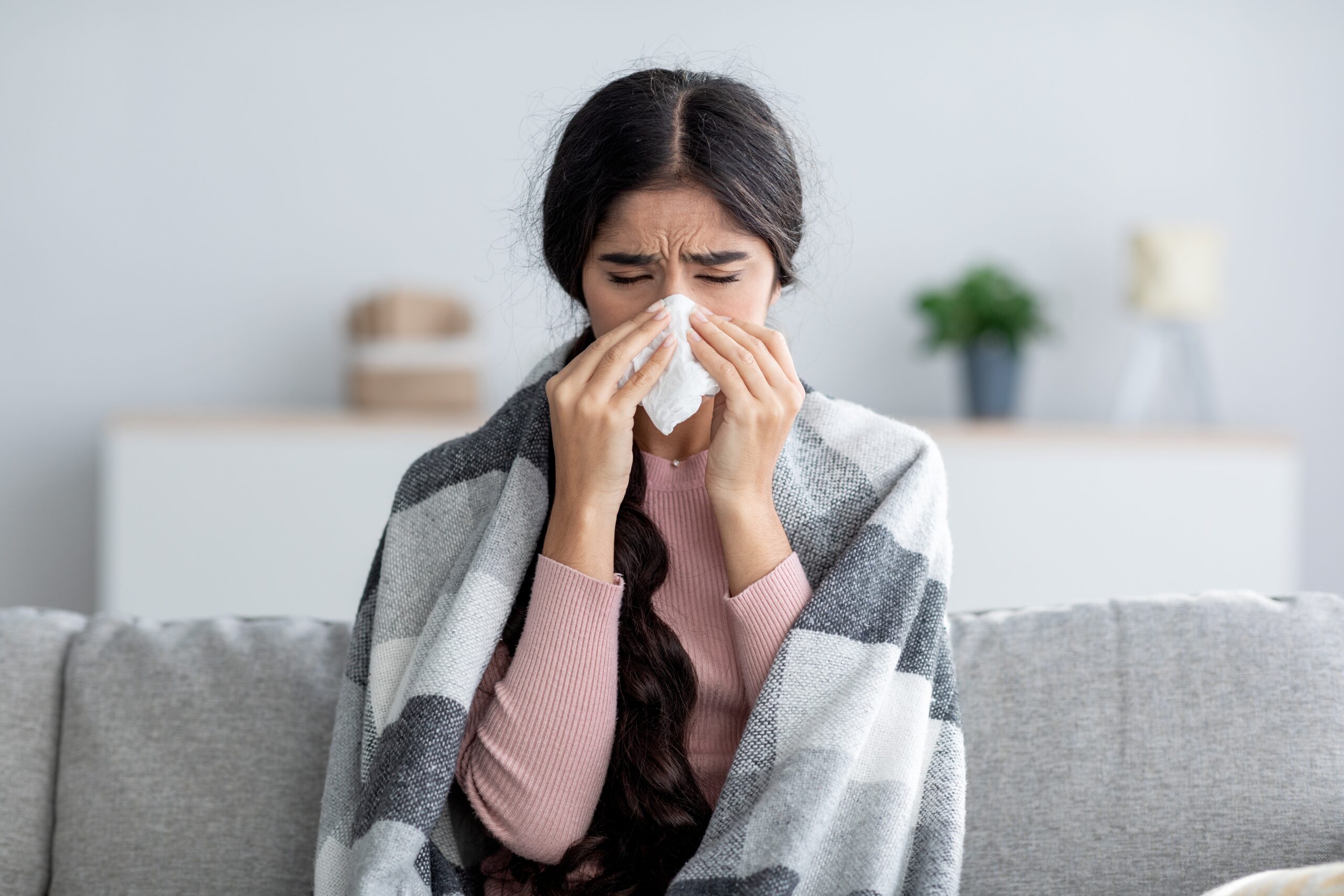
Experts point out that covid-19 can be confused with a bad cold or influenza. However, the most common symptoms remain similar to those observed at the beginning of the pandemic, although some new ones have been added. Among them:
- severe throat pain
- Persistent headache
- Cough
- Nasal congestion
- extreme fatigue
- Muscle pain or myalgia
- runny nose
- Fever
- General malaise
- Chest tightness
- Difficulty breathing
Rojas indicated that the most recent variants have been characterized by causing a more intense sore throat than that observed in previous stages of the pandemic.
Warning signs
Sandoval recommends seeking immediate medical attention for any of the following symptoms:
- Difficulty breathing or feeling short of breath at rest
- Oxygen saturation less than 92% or 94%
- Persistent chest pain or pressure
- Confusion or difficulty staying awake
- Violet coloration on lips or face
- Persistent high fever that does not improve after three or four days
- Clinical deterioration in people with chronic diseases
The specialist stressed that people with diabetes, kidney disease, heart disease, immunosuppression, obesity, people over 50 years of age, pregnant women and young children should consult promptly, even when the symptoms seem mild.
How to protect yourself?
Specialists recommend maintaining basic prevention measures, such as:
- Frequent hand washing
- Use of alcohol gel
- Cover your cough or sneeze
- Keep closed spaces ventilated
- Use a mask when there are respiratory symptoms
- Avoid self-medication
- Keep the vaccination schedule up to date
In case of symptoms, experts highlight that taking a swab could help determine if it is a common cold, influenza or covid-19. In addition, they advise people who have not yet done so to get vaccinated.