
The 2026 FIFA World Cup has entered a decisive phase and, beyond the goals and tactical surprises, refereeing has also taken center stage.
For this competition, a package of five regulatory modifications was implemented aimed at streamlining the game and reducing practices that have historically caused deliberate waste of time.
Until this Saturday, June 20, three of the five measures have already been directly applied during the group stage, while the other two remain under referee warning.
The status of application of each of them in the World Cup is detailed below:
1. Prohibition of covering the mouth during confrontations (Enforced)
The measure seeks to prevent footballers from deliberately hiding their expressions during discussions with referees or rivals. FIFA considers that this gesture makes it difficult to identify possible insults, discriminatory expressions or unsportsmanlike conduct.
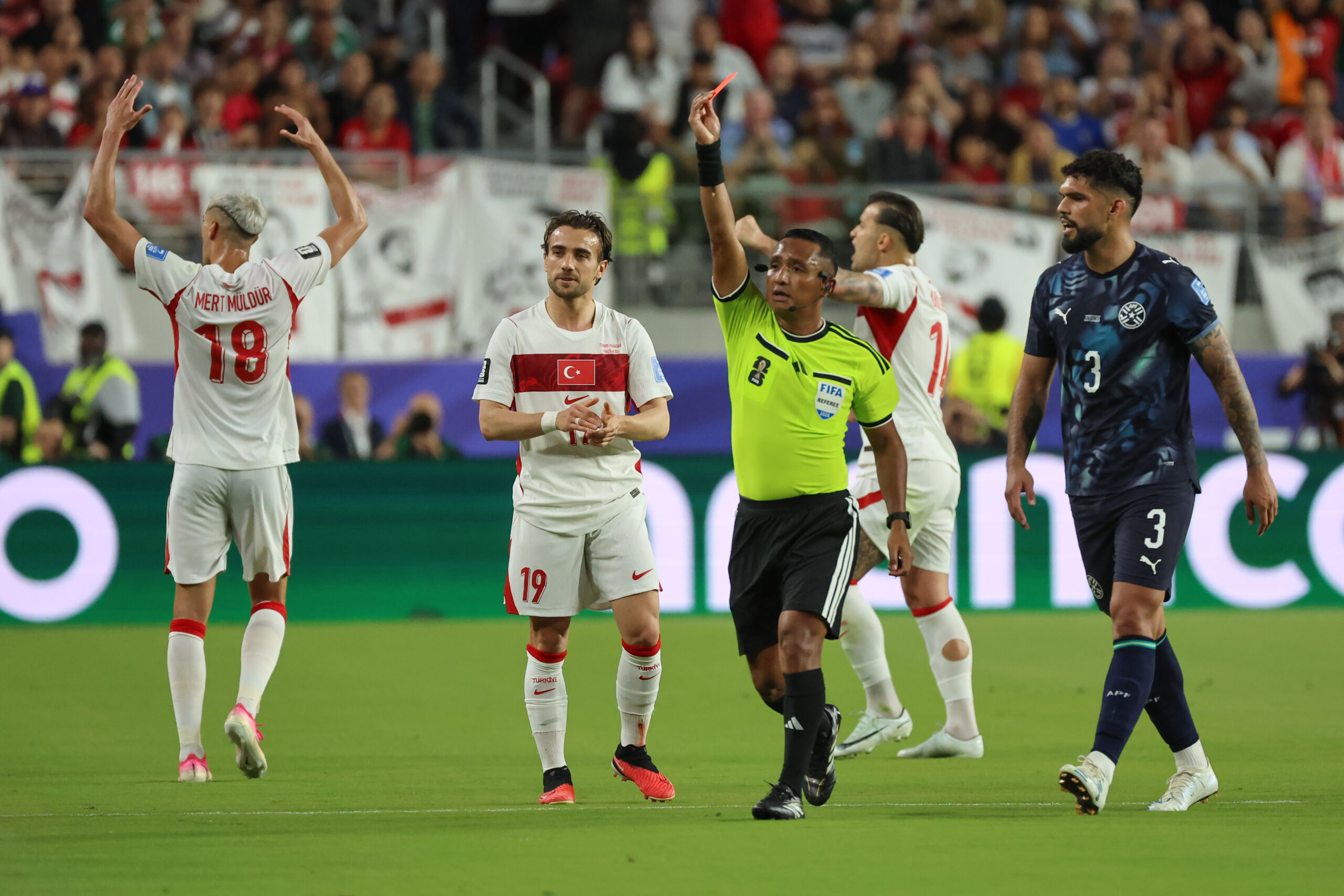
In action: Its most notable application occurred when Paraguayan Miguel Almirón was expelled after repeatedly covering his mouth while demanding an arbitration decision. Although it is not an official name, on social networks and among fans this arrangement is popularly known as the “Prestianni Law” or the “Vinícius Law”, in reference to cases that promoted the debate about this type of behavior in professional football.
2. 10 second limit on substitutions (Applied)
To avoid deliberate waste of time, any substituted player has a maximum of 10 seconds to leave the field of play at the nearest point. If you do not do so, the player who will enter must wait one minute before entering and his team will temporarily remain with one less player.
In action: The arrangement caused confusion during the first matches of the tournament. The footballers accelerated their departure from the field to avoid sanctions and some parties registered warnings related to delays in substitutions.
3. Penalty for strategic medical interruptions (Applied)
With the aim of avoid tactical interruptions due to alleged physical discomfort, any player who receives medical assistance on the field must remain off the field of play for one minute after the restart.
In action: The measure has significantly reduced interruptions due to cramps or discomfort in the final minutes. The teams avoid being outnumbered during decisive moments of the matches. An example occurred in the match between Paraguay and Türkiyewhen the Paraguayan goalkeeper requested medical attention, but the game continued until the action concluded.
4. Eight second countdown for goalkeepers (On warning)
Goalkeepers can hold the ball with your hands for a maximum of eight seconds. The referee gives a visual signal during the countdown and, if the limit is exceeded, the sanction is to award a corner kick to the opposing team.
In action: Although several goalkeepers have been warned, so far none have exceeded the allowed time. The possibility of conceding a corner kick has been enough to modify the behavior of goalkeepers.
5. Five-second limit on throw-ins and goal kicks (On warning)
Once the ball is ready for restart, the kicker You have five seconds to put it into play. Failure to comply may result in the loss of possession or the awarding of a corner kick to the opponent, depending on the action in question.
In action: The players They have accelerated the resumptions to avoid sanctions. Although warnings for delay have been recorded, the punishments contemplated in the rule have not yet been necessary in a significant way.
The first days of the 2026 World Cup reflect that these modifications have altered behaviors within the campoday have forced footballers, coaches and referees to adapt quickly. As the tournament progresses and competitive pressure increases, the application of these provisions could decisively influence the development of the matches.