
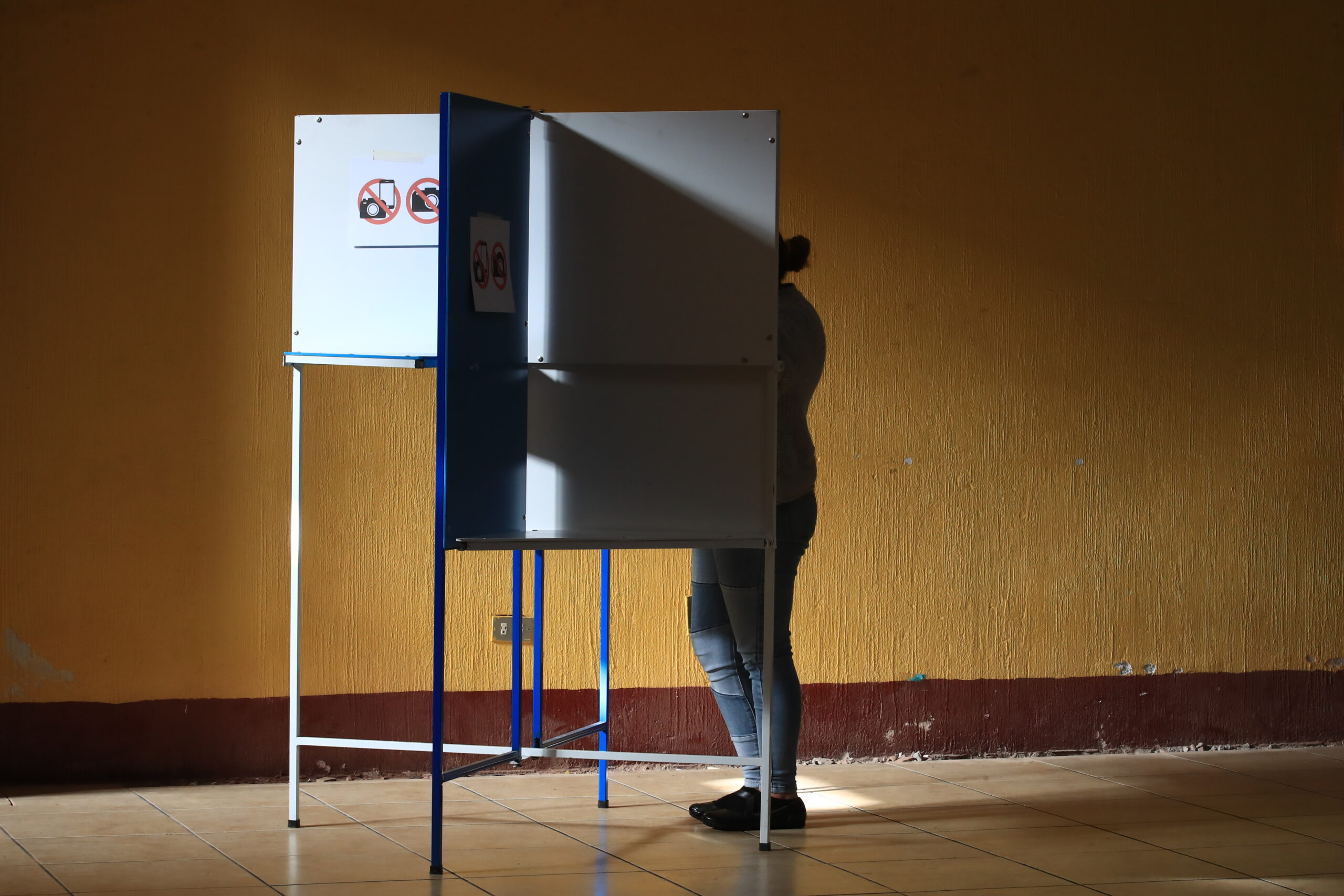
The next elections 2027 have already begun to take shape with the definition of the electoral calendar, in which the Supreme Electoral Court (TSE) has established each of the stages of the process that will culminate with the election of the country’s next authorities.
Beyond the voting date, the schedule includes a series of events that will have direct effects for millions of citizens interested in casting their vote.
One of these is the publication of electoral rollgiven that will allow Guatemalans to verify where they should vote.
For this process, the TSE considers digital tools that will facilitate consultation of the voting center.
The calendar also establishes the period in which voting intention surveys may be disseminated, the time for reflection prior to the elections and the application of the dry law, one of the provisions that establishes the restrictions involved during election day.
Likewise, the schedule establishes the date on which citizens will go to the polls to elect president and vice president, mayors and municipal corporations, deputies to the Congress of the Republic and other popularly elected positions.
In the event that no presidential binomial obtains the result required by law, it also contemplates carrying out a presidential second round weeks later.
In this publication we bring together the most relevant dates of the electoral process so that you can know, quickly and easily, when each stage will occur and what will be the key moments that will mark the course of the 2027 Elections.