
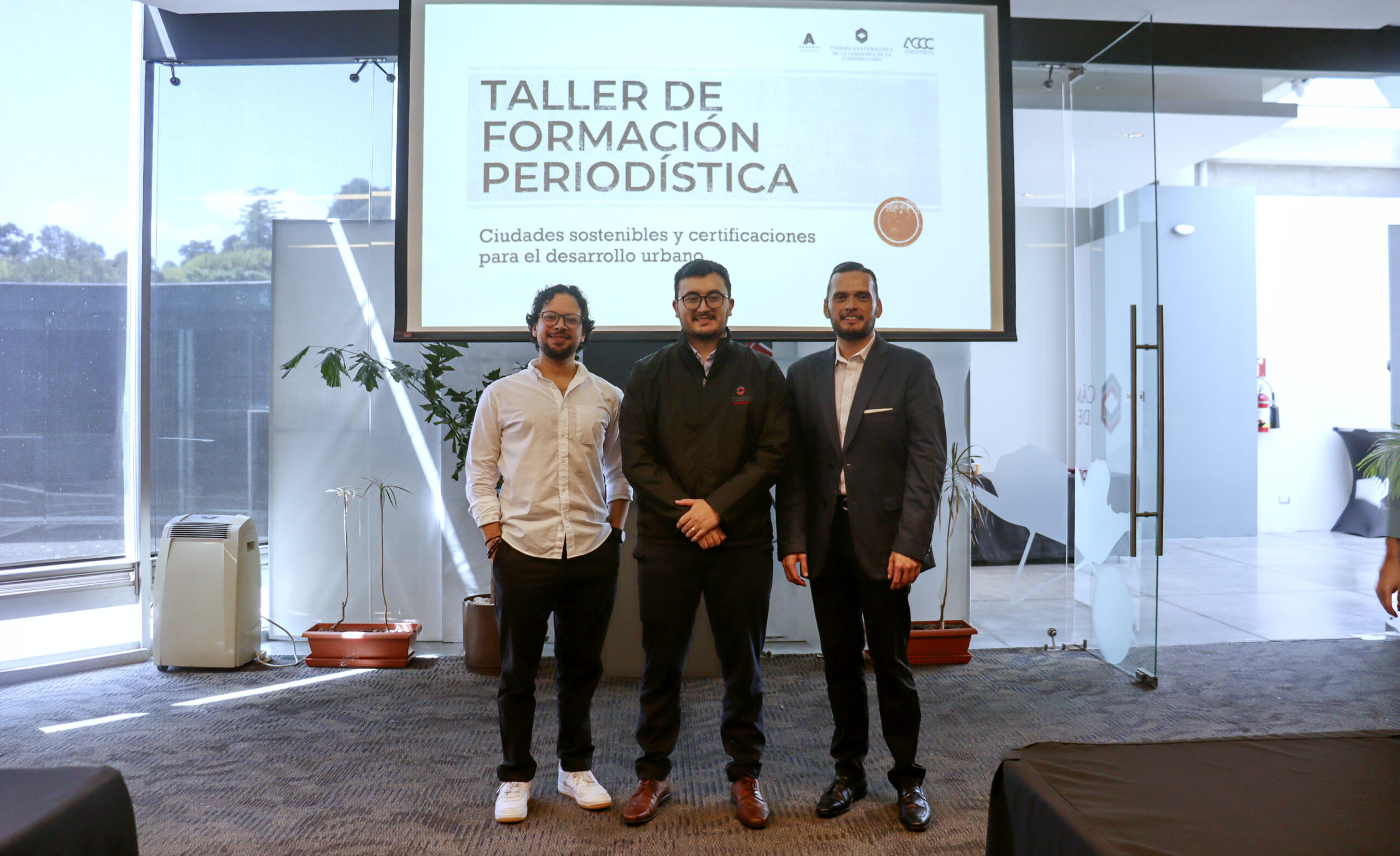
Rodrigo Ramazzini, CGC training director; José Ávila, Technical Director of the Guatemalan Green Building Council (GGBC); and Juan Pablo Morataya, Executive Director of CentraRSE; They were the drivers of the event.
During the meeting, the GGBC presented an updated balance of sustainable construction in Guatemala: to date, the country has 139 certified projects that represent more than 1.6 million square meters of sustainable construction. These certifications are part of sustainable urban development, an objective that transcends individual projects and depends, above all, on how cities are planned.
The experts agreed that sustainable urban planning must integrate mobility, the conservation of natural resources, smart densification, access to services and community participation, as conditions to build smarter cities.
The dialogue showed how certifications, data and new financial instruments are guiding the country’s urban development towards the same goal: cities designed for those who live in them. The challenge is for sustainability to stop depending on isolated efforts and become the criterion that guides urban growth.
“Talking about sustainable cities is talking about people’s quality of life. The way we plan our cities directly influences mobility, access to services, the use of resources and development opportunities. Therefore, it is essential to promote spaces for dialogue that promote more efficient, resilient and sustainable urban solutions for Guatemala,” highlighted Rodrigo Ramazzini, training director of the Guatemalan Chamber of the Construction Industry.
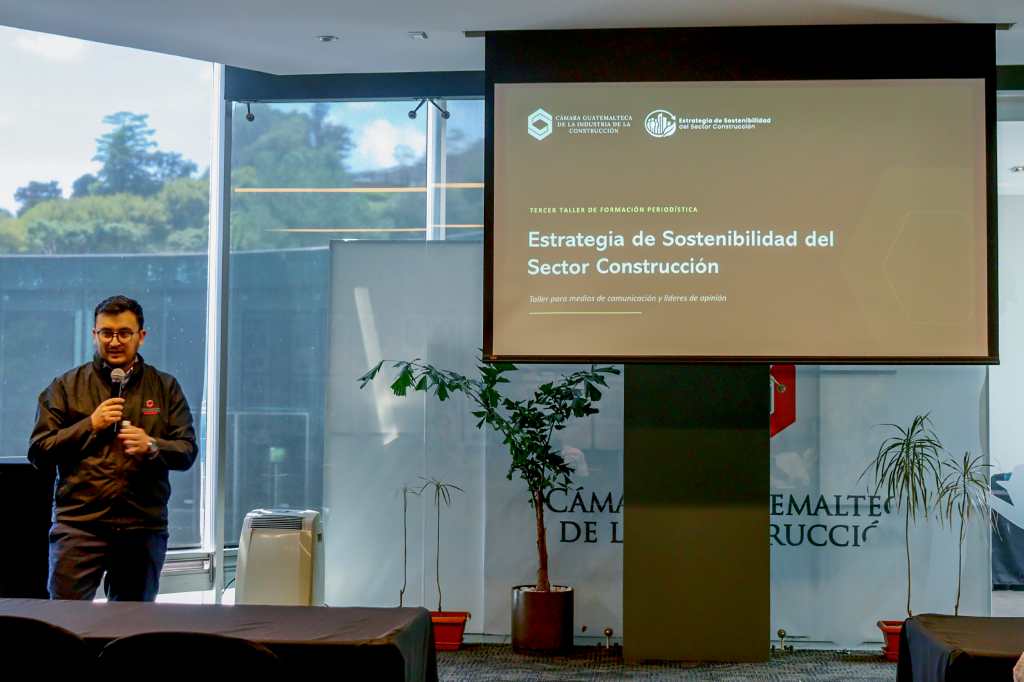
As a technical entity on the matter, the GGBC presented a diagnosis that shows an accelerating certification rate: from less than 10 projects per year between 2012 and 2022 to more than 35 per year from 2023. According to its balance, housing accounts for 53.4% of the certified square meters, followed by commercial spaces (18.9%) and offices (17.0%), with average savings of 36% in water consumption and 38% in efficiency energy.
Likewise, they detailed the systems that operate in the country (LEED, EDGE, Fitwel, Envision and CASA Guatemala), which verify through third-party standards that a project meets sustainability principles throughout its design, construction and useful life, avoiding greenwashing.
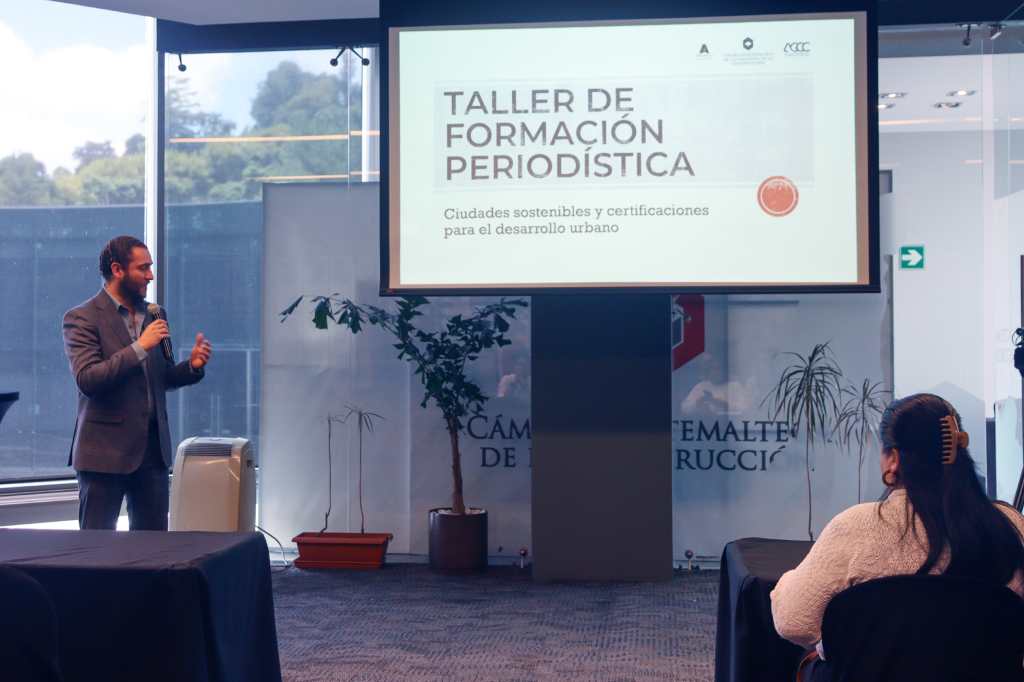
From a business perspective, CentraRSE highlighted that the construction sector is increasingly adopting green construction, ESG criteria and the circular economy, and that incorporating these practices translates into greater competitiveness: it generates value in the short and long term, attracts investment and strengthens the confidence of markets, regulators and investors.
These tools have begun to serve as a reference for public policy and the country’s financial instruments, such as the Voluntary Taxonomy of Green Finance of Guatemala and the incentives that local banks already offer to certified projects.
With spaces like this, the Guatemalan Chamber of the Construction Industry builds bridges between the private sector, public institutions and citizens to achieve this.