
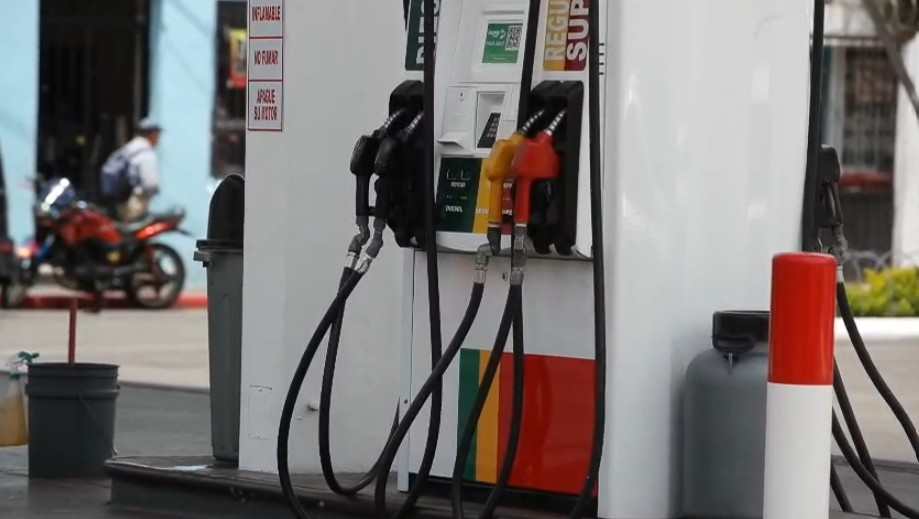
The Ministry of Energy and Mines (MEM) announced that it will intensify verifications at gas stations after concluding the temporary fuel subsidy. The measure seeks to guarantee that the stations continue to transfer the benefit to the final consumer while they still have inventories purchased with a subsidy.
According to the Minister of Energy and Mines, Erwin Barrios, Attention will focus especially on the stations that began to increase their prices since this Friday. The official explained that most stores usually maintain fuel reserves for several days and even weeks, so each case will be reviewed to establish if the price increase corresponds to the depletion of the subsidized inventory.
What will the inspections check?
During the audits, the MEM will verify different aspects to determine if the price increase is justified, including:
- Fuel purchase invoices.
- Inventory available in tanks.
- Volume acquired with subsidy.
- Date the fuel entered the station.
If a gas station increases its prices before finishing selling the fuel purchased with state support, You must justify that decision during the inspection.
Why did the subsidy end early?
The subsidy ended on July 2 because the authorized resources were practically exhausted. According to data from the Ministry of Finance and the MEM, most of the budget had already been executed and the remaining funds were only enough to cover approximately two more weeks.
The authorities explained that the decision sought to prevent the State from generating additional payment obligations with importing companies.
The deputy director of Hydrocarbon Marketing of the MEM, Guillermo Xoy, explained separately that The temporary fuel subsidy ended on July 2 because the authorized budget was practically exhausted.
According to data from the Ministry of Finance (Minfin) and the MEM, as of June 21, around 79% had already been executed for Q1,580 million. The remaining funds (which would represent 21%, about Q420 million), were only enough to cover two weeks after that date, since an average of Q200 million per week was used, Xoy explained.
“For that reason, “The Government decided to end the support before completing the established three months, to avoid generating debt with importing companies.”added the deputy director.
When will prices go up?
The MEM estimates that the price change will not occur at the same time throughout the country.
- In the capital city, subsidized fuel could run out in one to three days.
- In the interior of the country, reservations could last between five and ten days.
Therefore, the authorities anticipate that the increase in prices will be reflected gradually as each station finishes selling the inventory acquired under the subsidy program.
Xoy explained that, on average, gas stations in the capital city will use up the fuel purchased under the subsidy between one and three days, while in the interior of the country this inventory can last between five and ten days.
For this reason, he estimated that between Monday and Tuesday of next week the majority of stations in the capital will have already sold the subsidized fuel and will begin to reflect the approximate increase of Q5 per gallon for gasoline and Q8 per gallon for diesel.
Finally, Xoy clarified that, although the subsidy ended and the stations are no longer subject to the temporary regulation or the reference prices established during that program, the MEM will continue to monitor the market. He recalled that Guatemala maintains a free market regime, but pointed out that this does not mean “free will” to set prices.
What can consumers do?
The Ministry recalled that Users can file complaints with the MEM or the Directorate of Consumer Care and Assistance (Diaco) if they consider that a station increased its prices without having exhausted the subsidized fuel.
Although Guatemala maintains a free market regime for fuels, the MEM indicated that it will continue to monitor reference prices and may initiate verification processes when it detects increases that do not correspond to the behavior of the international market.