
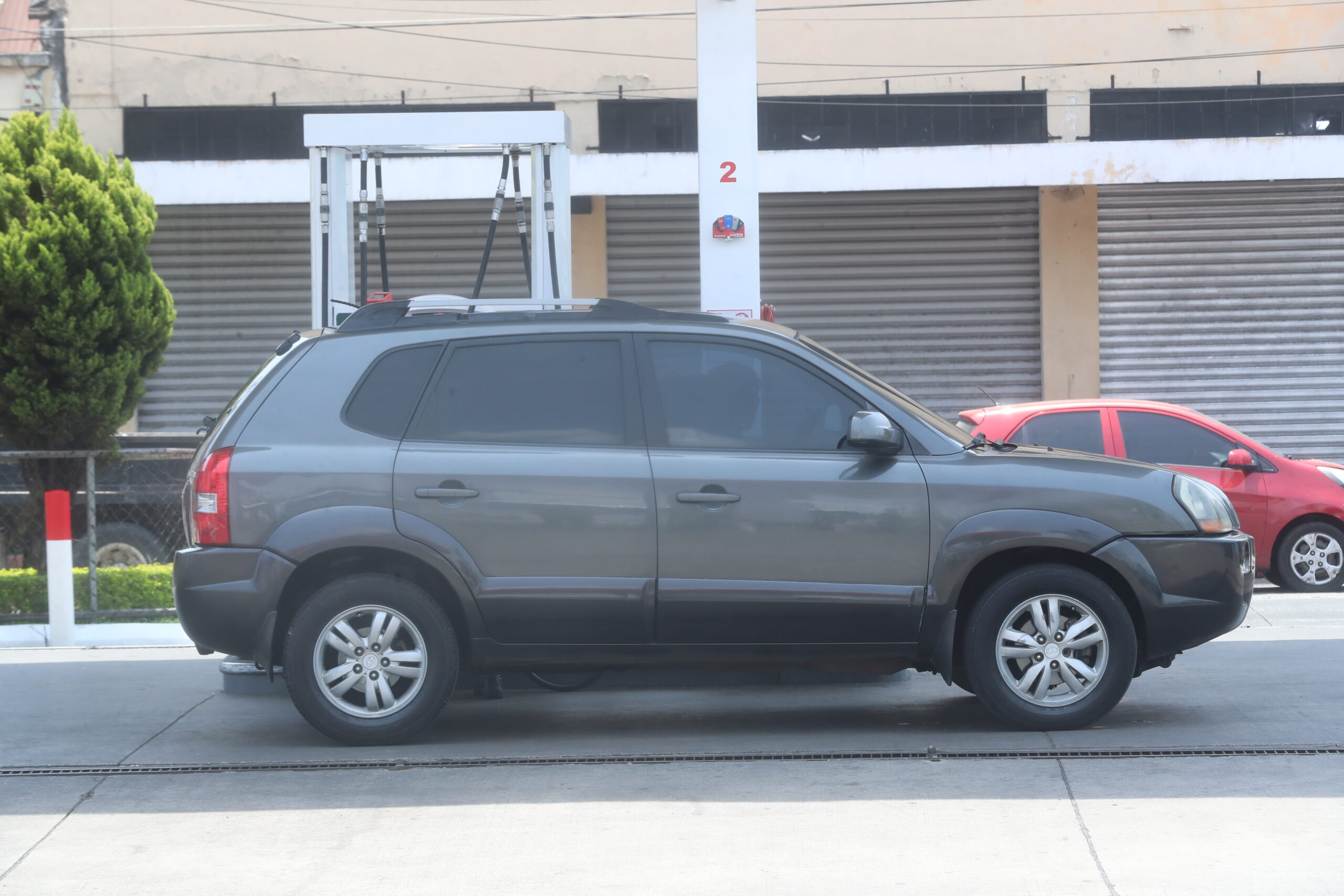
Five days after completing the state fuel subsidyusers began to report increases in the price of the regular and higher gasoline.
A monitoring carried out by Free press this July 7 in 12 service stations (gas stations) located in New Villa, zone 12 and zone 8 of the capital confirmed that some gas stations have already applied new adjustments to their prices.
While the diesel continues to be quoted around Q35 per gallon and presents the smallest increase, the regular and higher gasoline increased approximately Q1 per gallon with respect to the prices observed days after the subsidy ended.
Fuel prices already show differences between gas stations
The monitoring also showed that there is no uniform priceeven between stations operating under the same brand.
According to the data collected by this means, the prices in modality self service are the following:
| Brand | Regular price per gallon | Superior price per gallon | Diesel price per gallon |
| Gas station 1 | Q37.09 | Q38.09 | Q35.59 |
| Gas station 2 | Q36.09 | Q37.39 | Q35.39 |
| Gas station 3 | Q36.07 | Q37.07 | Q35.27 |
| Gas station 4 | Q37.07 | Q38.07 | Q35.57 |
| Gas station 5 | Q37.07 | Q38.07 | Q35.57 |
Price differences may occur even between stations of the same brandbecause they operate under the model of franchiseallowing each establishment to apply adjustments according to their costs and commercial conditions.
Why did the price of fuel increase?
The increase observed this week corresponds to a second adjustment in fuel prices. The first occurred on July 2when gas stations stopped applying the state subsidywhich represented increases of between Q5 and Q8 per gallon.
On the other hand, the monitoring carried out this July 7, Free press noted a new increase close to Q1 per gallon in gasoline, while diesel showed a more moderate increase.
consulted by Free press, Enrique Menendezpresident of the Union of Fuel Dispensersexplained that the most recent increase responds to adjustments made by specialized terminals and distribution plants.
“It is the internal suppliers who began to give us this price adjustment that is already being reflected in some service stations. We only pass on that increase that we are receiving,” he stated.
RELATED READINGS


According to Menéndez, the adjustment is Q1 per gallon in gasoline and close to Q0.30 in diesel.
The representative of the sector added that the behavior of the market does not depend solely on the international price of the crude oilgiven that Guatemala imports refined fuelswhose prices follow a different dynamic.
He explained that, after the covid-19 pandemicthe international fuel market changed due to limitations in refining capacity. This caused the costs of refined products to no longer maintain a direct relationship with the price of oil.
“There may be an abundance of oil, but if refining capacity is limited, refining costs increase and that ends up being reflected in the price of gasoline and diesel,” he noted.
He added that, for this reason, although oil registers declines in international markets, the refined fuels They can maintain an upward trend, since their price also depends on the availability of refineries and the costs of the refining process.
RELATED READINGS

MEM maintains monitoring at service stations
He July 3the minister of Energy and Mines, Erwin Barriosreported that the portfolio would reinforce verifications to confirm that the subsidy would have been correctly applied to the end consumer, especially in the stations that adjusted their prices immediately after the program ended.
For his part, the deputy director of Hydrocarbon Marketing of the MEM, Guillermo Xoyexplained that the fuel purchased with a subsidy could run out, on average, between one and three days in the capital citywhile in the interior of the country the inventory could last between five and ten daysdepending on the sales volume of each station.
MEM has not yet filed complaints
During a summons at Congress of the Republicauthorities of the Ministry of Energy and Mines reported that the July 3 they made 15 verifications at service stations.
As they explained, During the inspections they no longer found fuel sold with subsidized price.
Likewise, they indicated that As of July 6, no complaint had been filed.since the process continues in the analysis and monitoring stage to determine if there were non-compliance in the application of the subsidy.