
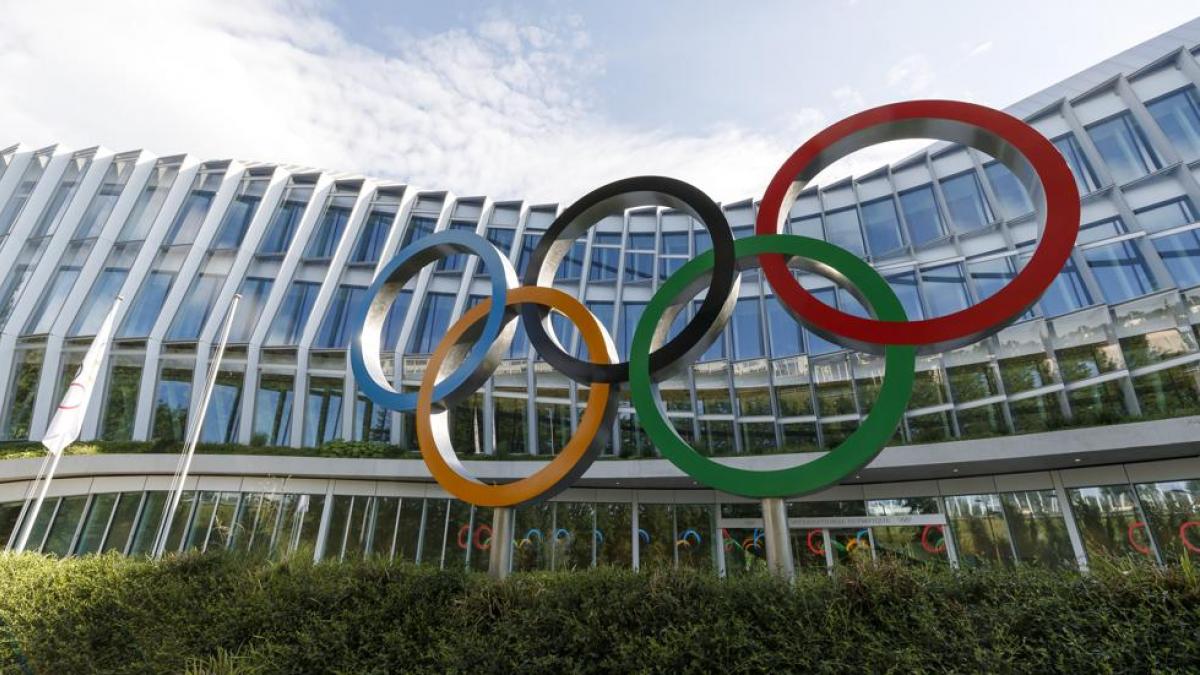
The International Olympic Committee (IOC) announced this Tuesday, June 7, the provisional lifting of the suspension that weighed on the Russian Olympic Committee (COR) since October 2023, a decision that marks a new chapter in the relationship between the Olympic movement and Russia with a view to the 2028 Los Angeles Olympic Games. The measure was adopted by the organization’s Executive Commission after reviewing the institutional situation of the Russian committee.
As explained by IOC, the decision was made after verifying that the Russian Olympic Committee no longer includes among its members regional sports organizations located in territories that are under the jurisdiction of the National Olympic Committee of Ukraine.
In addition, the Russian organization assured that it does not and will not develop sports activities in those regions, a condition considered key to reviewing the sanction.
The IOC highlighted in its resolution that it will continue to closely monitor any action by the Russian Olympic Committee related to those territories and warned that it reserves the right to adopt new measures if circumstances require it. “The IOC Executive Board will continue to closely monitor the situation regarding any COR activities in these territories and reserves the right to take additional measures if it deems necessary.”said the Olympic body in its official statement.
If this line of action is maintained, Russian athletes who qualify could compete in Los Angeles 2028 officially representing Russia, unlike what happened in Paris 2024 and the Milan-Cortina Winter Olympic Games, where they participated with neutral status.
The IOC Executive Board has provisionally lifted the suspension of the Russian Olympic Committee. Recommendations to International Federations with regard to Russian athletes’ participation are no longer applicable.
Read: https://t.co/k9FlApULU5 pic.twitter.com/K0pVQ7eJH1
— IOC MEDIA (@iocmedia) July 7, 2026
However, the IOC clarified that the normalization is not complete and that it will later analyze aspects related to the use of the Russian flag, anthem and other national symbols in Olympic competitions.
Likewise, it reiterated that it will not organize events on Russian territory or extend invitations to government representatives of that country, while athletes who return to the international scene must comply with strict anti-doping requirements supervised by independent organizations.