
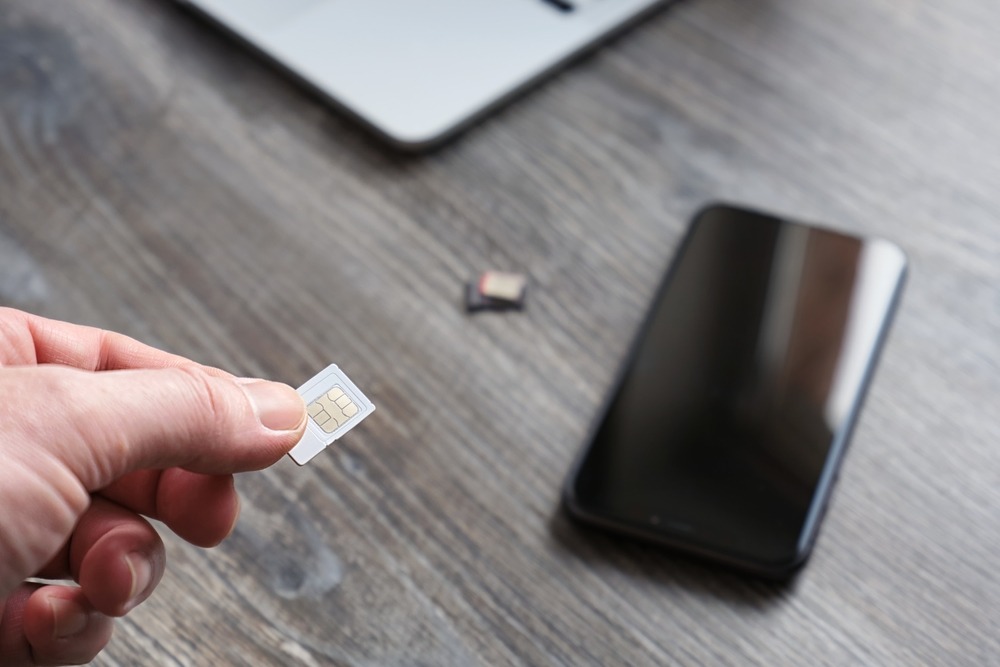
For 13 years the process to buy a sim chip prepaid is regulated by the Decree 8-2013, Mobile Terminal Equipment Lawwhose objective is to facilitate the investigation of crimes committed using cell phones and combat the use of stolen equipment or with altered IMEI.
In theory, since the regulations came into force it is no longer possible to acquire or activate a telephone line anonymously.
A monitoring carried out by Free press on July 20 determined that a SIM card has a cost of between Q10 and Q25depending on the operator. This price is in official agencies of the two telephone companies that operate in Guatemala, the chip is usually delivered free of charge and the amount paid corresponds to an initial electronic recharge.
There are also street vendors and shops that offer promotions with different prices.
However, regardless of where the SIM card is purchased, all distributors are obliged to comply with the provisions of the Mobile Terminal Equipment Law, what are they?
What should the buyer do?
To purchase a card prepaid SIM The user or buyer is required to present the Personal Identification Document (DPI). In the case of the foreignersthey must identify themselves with their passport current.
Although for some users this practice may generate doubts or discomfort due to security issues, its purpose is to support the registration of the sale and allow the identification of the owner of the line, as established by the Equipment Law. Mobile Terminals.
When the purchase is made directly in a operator agencythe user also signs a document stating the delivery of the SIM card and the associated telephone number.
On the other hand, during a tour carried out by Free press It was found that, in street stalls and authorized distributors, sellers usually photograph the DPI of the buyer to support the record of the sale. They also request the signing of a form and offer to send the purchase invoice via WhatsApp.
RELATED READINGS


What responsibilities does each one have?
The law assigns specific obligations to each of the participants in the process of selling and activating a SIM card.
The document details each of the participants involved in the purchase-sale chain: importers, sellers, distributors, the owner of the line or buyer. The institutions that are responsible for regulating, supervising and recording the information are also detailed: Telecommunications Superintendency (SIT), Public Ministry (MP), Ministry of the Interior (Mingob) and The Telecommunications Business Council.
However, for the purchase and sale of a prepaid SIM number, these are some, these are the actors involved:
RELATED READINGS

Buyer or user
- Present a valid identification document (DPI or passport, as appropriate).
- Provide the information necessary to register the phone line.
Seller or distributor
- Be registered with the Telecommunications Superintendency (SIT).
- Verify the identity of the buyer.
- Correctly record the sale and associate the line with the user.
- Keep information on each sale for three years.
Mobile phone operator
- Verify that the sale meets all the requirements established by law.
- Confirm that the equipment where the line will be used is not reported as stolen, altered or blocked.
- Activate the SIM card only after completing all relevant verifications.
Telecommunications Superintendency (SIT)
The SIT is the entity responsible for:
- Manage the registry of authorized sellers.
- Keep the Negative Database of stolen devices or devices with altered IMEI updated.
- Monitor compliance with the Mobile Terminal Equipment Law.
- Coordinate the exchange of information with other institutions to prevent and investigate crimes related to mobile equipment.
What happens if the law is not followed?
In accordance with the law, failure to comply with established obligations may result in sanctions for operators, distributors or sellers who do not respect the legal procedure for the marketing and activation of prepaid SIM cards.
He article 16 of the Decree 8-2013 establishes that operators can only activate a SIM card when all the requirements set out in the law have been met.
For his part, the article 34which refers to article 81 of the General Telecommunications Lawcontemplates fines ranging from Q10 thousand 1 up to Q100 thousanddepending on the violation.