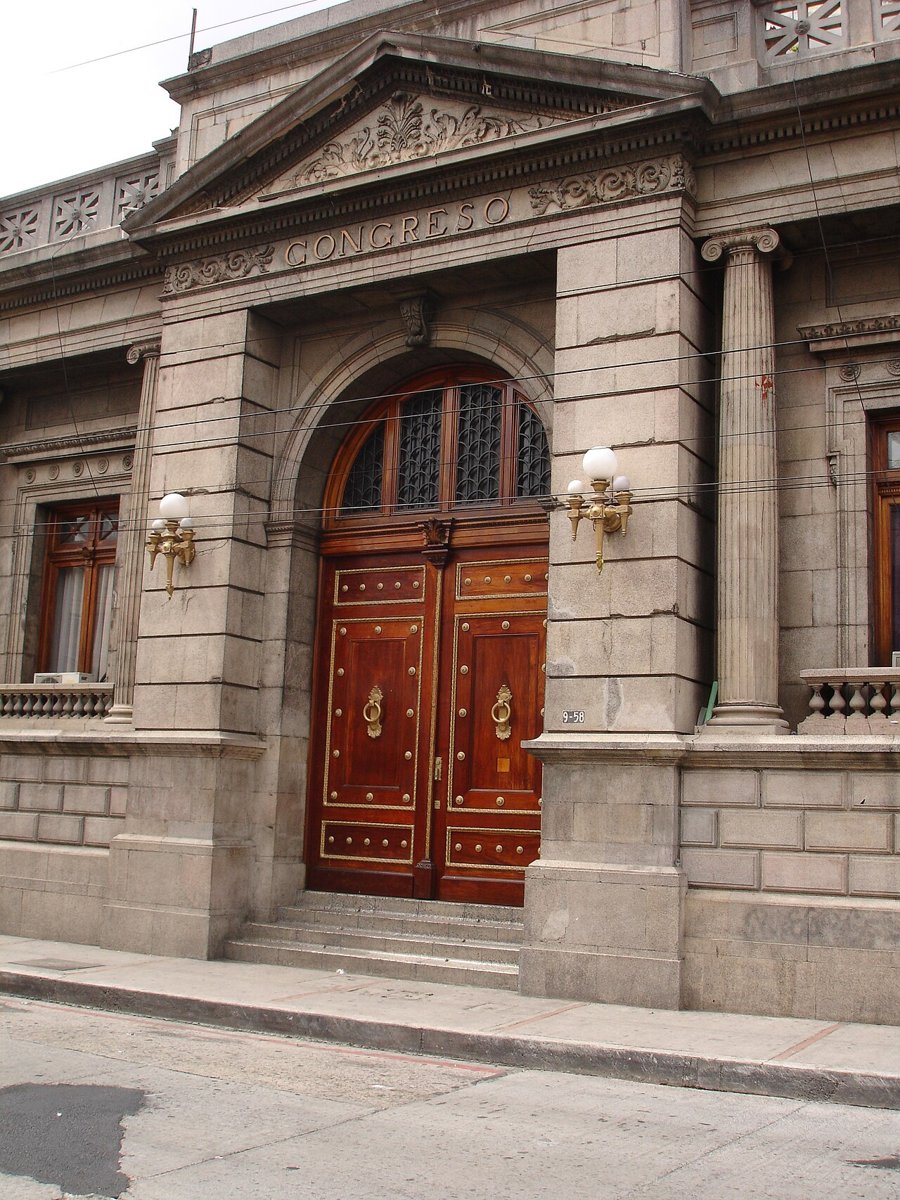
The end of Congress’s regular session on November 30 has opened a new question over Guatemala’s 2027 budget: what happens if President Bernardo Arévalo vetoes Decree 32-2026 before the new fiscal year begins, Infobae reported.
Lawmakers approved the budget on November 25 with 117 votes, as a matter of national urgency. A day later, Arévalo said he would push for ways to stop it.
The timing problem
Congress goes into recess from December 1 until January 14, 2027. Under the Organic Law of the Legislative Branch, the Executive cannot send a veto while Congress is in an extraordinary session period, according to the report. If the president returns the decree with objections, it could only reach Congress once the next regular session begins on January 14, even though the budget was meant to take effect on January 1.
Congressman Gustavo Cruz warned that, in that case, the Executive would have to readjust institutions’ budgets so they can keep operating in the first weeks of the year.
The electoral tribunal in the middle
Lawmakers who raise that scenario point to the Supreme Electoral Tribunal as the most exposed agency, because it must organize the 2027 general election and needs to commit money early for rent, facilities and hiring. One lawmaker quoted in the report said that if the objection were sent later, “the elections would be delayed”, and argued that a veto would be legally difficult. He put the Executive’s budget execution this year at 45 %.
Two readings of the Constitution
Some lawmakers say the veto could only be handled from January 14, leaving the new budget in limbo for two weeks. Others argue the Constitution provides a way out: if no new budget is in force on January 1, the 2026 budget continues with its amendments. Analysts note that the point is contested because Decree 32-2026 has already been approved, and the gap could lead to a temporary pause in transfers from the Ministry of Finance.
The chairman of the Finance Committee, Willy Ralda, rejected claims that the budget was rushed and acknowledged that the president has the power to return it with observations, which Congress must then consider. “For us it was a job well done,” he said, adding that “the numbers are clear”.