Guatemala is getting people with HIV into treatment faster, but it is not slowing new infections. Official records show 2,113 new HIV cases between January and October 2026, a 17% increase over the previous year, and 314 deaths linked to the infection, Infobae reported. The figures were discussed at the Third National HIV Symposium, held ahead of World AIDS Day on December 1.
Where the cases are
- The national rate reached 10 new cases per 100,000 people, and eight of the country’s 22 departments are above that average.
- Nine departments account for 75% of reported infections.
- Izabal, Escuintla and Petén have the highest rates.
- The department of Guatemala recorded 601 diagnoses, about one in every three cases nationwide.
The good news: treatment
According to the health ministry’s November report, 93% of people diagnosed in 2026 were referred to a Comprehensive Care Unit and 92% started antiretroviral therapy, most of them within a week of confirmation. Five hospitals reached full treatment coverage among their patients: those in Quetzaltenango, Cuilapa, Quiché, Retalhuleu and Jalapa.
Hibeb Silvestre, coordinator of the national STI, HIV and AIDS program, said the goal is for care to stop depending on foreign funding. The symposium, held under the slogan “guaranteeing the HIV response is sustaining and protecting lives,” brought together the Guatemalan Social Security Institute, the National Multisectoral HIV and AIDS Commission and civil society groups.
The gap
Officials acknowledged that timely diagnosis remains the weak spot. Vice Minister Edgar González framed the HIV response as a public responsibility of the state. The pattern is a familiar one in the region: when people are tested late, they arrive at clinics sicker, and in the meantime the virus keeps spreading.
What it means for readers
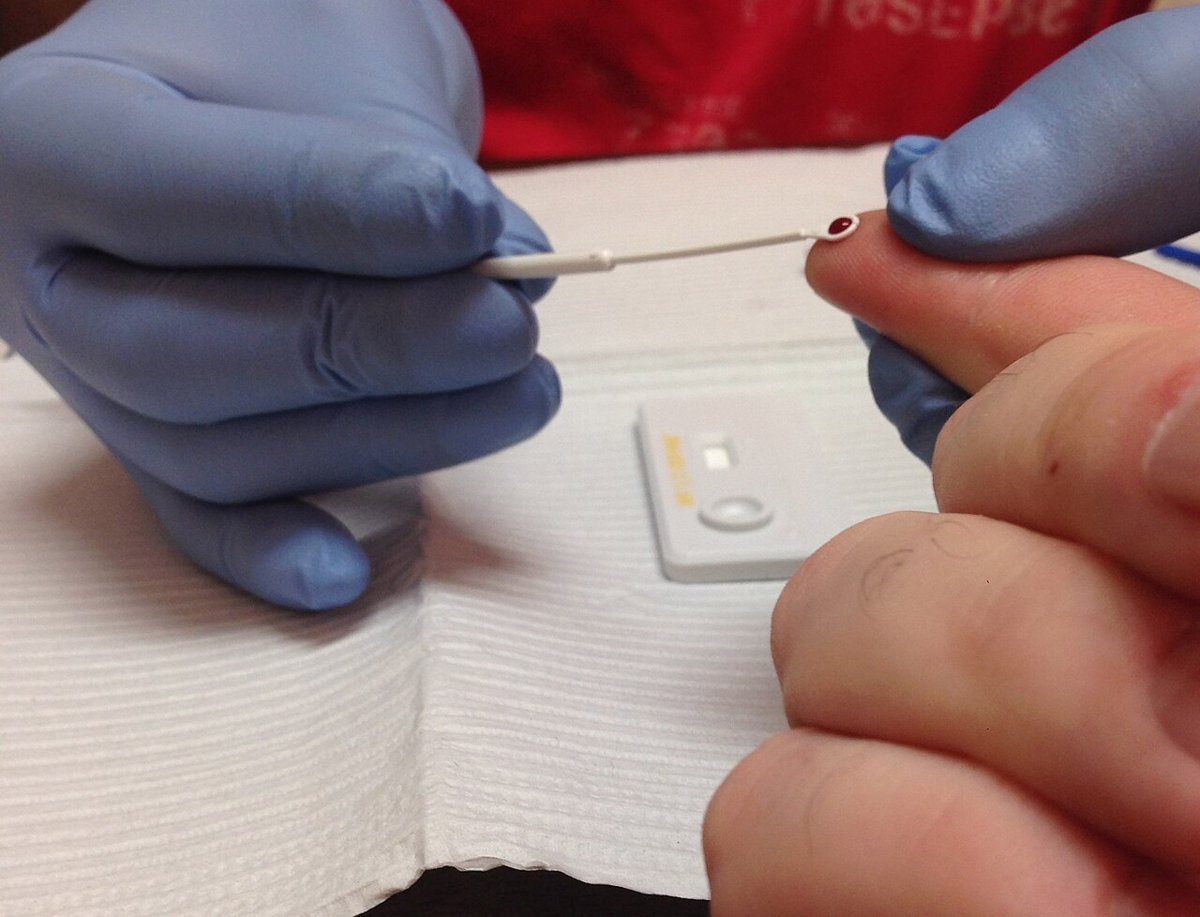
HIV testing is available through the public health network, and modern treatment allows people living with the virus to lead long, healthy lives; once the viral load is undetectable, the virus is not transmitted sexually. With World AIDS Day on Tuesday, health services typically step up testing campaigns, a good moment for anyone who has never been tested to do so.