

Health and family
Different conditions that go unnoticed can be a threat to the health of families that inhabit a home. These are some aspects that may be getting sick inside your home.
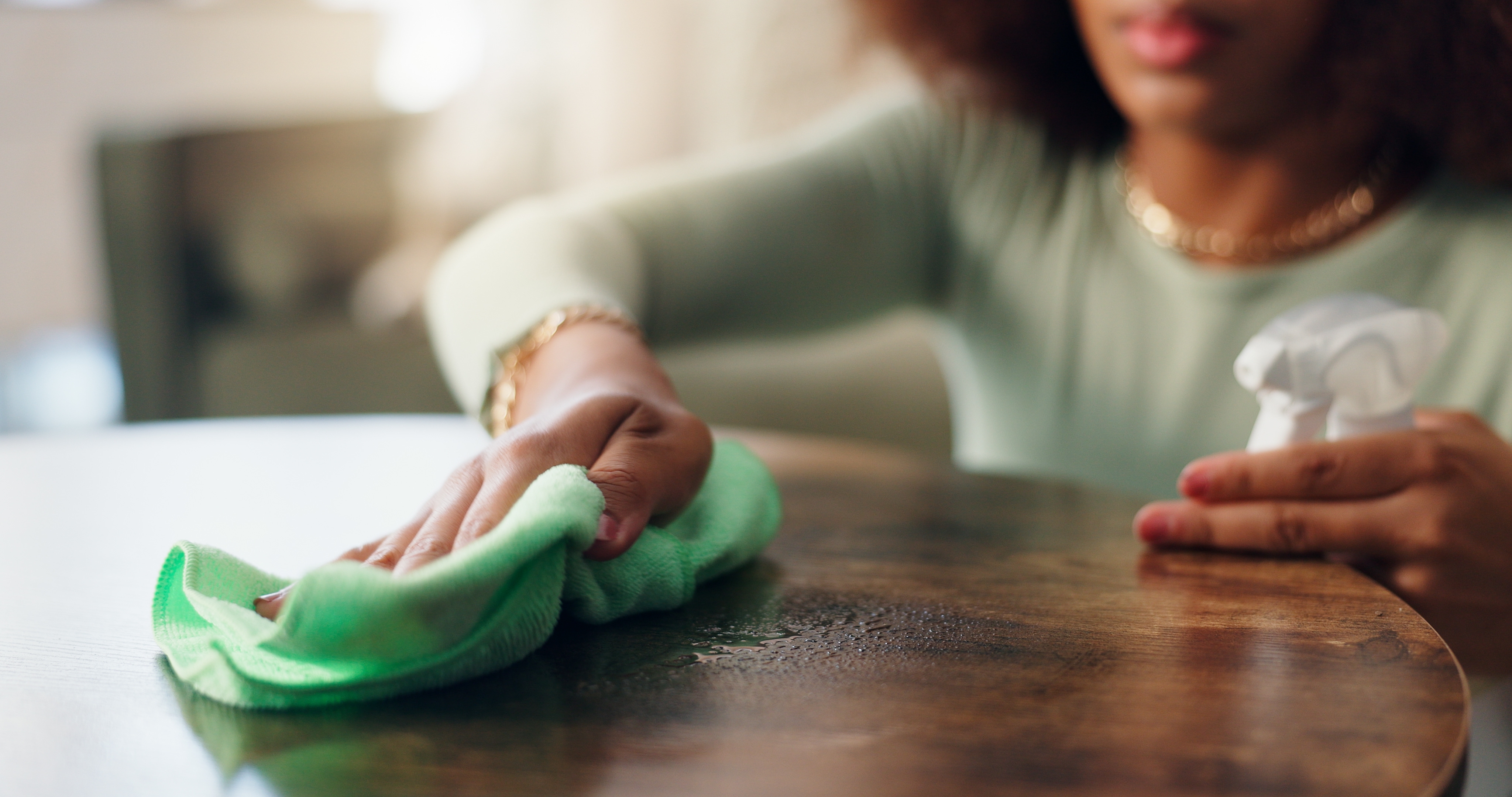
Dust is one of the silent enemies that inhabit home and threaten health. (Free Press Photo: Shuttersock)
The home is the space within which a person develops a wide variety of activities. From the break at night to personal toilet, through a shower or body bath, they are necessary actions to maintain a healthy life and good personal care. However, the house becomes a health risk if it does not have adequate conditions for its inhabitants to live in a healthy and dignified way.
An improvement in habitability conditions can save lives, prevent diseases and improve the quality of life, as established by the World Health Organization (WHO). According to WHO guidelines on housing and health, poor habitability conditions can expose people to a large amount of health risks.
According to these regulations, these are some of the factors that can affect the health of people who live within a home. Many of them go unnoticed, but represent a health risk.
- Air pollution: Interior air pollution causes numerous noncommunicable diseases, damages respiratory and cardiovascular health and causes irritations and allergic reactions, such as asthma. In some homes the lack of hygiene measures is a factor that affects the quality of the air that is breathed within it. The rooms closed for a long time, bad odors, mold and moisture can generate a harmful environment for health, especially for older children and people. Josué Martínez, general practitioner, insists on the importance of implementing hygiene measures such as ventilating the rooms, cleaning surfaces frequently, avoiding moisture and bad odors.
- Powder: Another of the big health risks, although many times it seems harmless is dust. Eliminating dust from the home through regular cleaning, maintenance and home improvements is important for the well -being of people who inhabit a house. According to Martínez, dust can irritate the airways, causing coughing, difficulty breathing, and other discomfort. It is also one of the factors that causes allergies. In addition, dust can also cause eye and skin irritation.
- Access to drinking water: the insufficiency of water and sanitation supply services affects food safety and personal hygiene and, therefore, facilitates that transmissible diseases are counterpart. Contaminated water consumption can cause diarrheal diseases, cholera, dysentery, typhoid fever and other infections. It is important to verify that the water that comes home is in adequate conditions and does not represent a health risk.
- Bad lighting: lighting is another important aspect in a home, since it generates harmony in different environments and spaces. However, when it is not adequate, it can have health implications. Factors such as overcrowding and inappropriate lighting are associated with risk of having poor mental health. Housing too populated and with bad lighting are associated with hostile environments, which have an impact on people’s health.
Martínez emphasizes that the home is a space that must cause people’s well -being, not cause damage to their health. The recommendation is to seek ventilated environments, free of smoke, dust or moisture to avoid respiratory or other conditions. In addition, general order and cleaning are necessary habits to avoid the contamination and spread of diseases.