

Guatemala has begun to experience strong heats, a climate that, beyond being uncomfortable, can represent a health risk.
According to the World Health Organization (WHO), lThe heat waves constitute one of the most dangerous climatic threats, especially for vulnerable groups such as children, older adults and people with chronic diseases.
When the body is exposed to high temperatures, The natural reaction is to stay fresh and start sweating. However, When this exposure is prolonged, sweat is not enough and can cause body temperature to rise to dangerous levels, which can cause disease.
People suffer heat -related diseases when the system that controls the body temperature is overloaded. The body normally produces sweat to cool, but on certain occasions it is not enough to sweat. High body temperatures can damage the brain and other vital organs, indicate the Centers for the control and prevention of diseases in the United States (CDC).
In addition, it is necessary Replace the liquids expelled by the body, since, otherwise, an electrolytic imbalance could be unleashed that affects the functioning of organs such as the heart and the kidneys. Therefore, adequate food and constant hydration are key to counteract the effects of high temperatures.
Diseases produced by heat
Prolonged exposure to closed spaces or with high temperatures can compromise the body’s ability to adapt to a heat wave.
For example, when moisture is high, the evaporation of sweat slows down, which prevents the body from dissipating heat with the necessary rapidity to avoid serious complications.
In addition, The regulation of body temperature becomes more difficult with age, which makes older adults, the elderly and babies (from 0 to 4 years old) more vulnerable to heat -related diseases. People with obesity, fever, dehydration, heart conditions, circulatory problems or solar burns are also at risk.
Therefore, it is important to know what are heat -related diseases.
Heat blows
He heatstroke occurs when the body loses the ability to regulate its temperature, which causes a dangerous increase of it. According to Dr. Madelaine Milagro Castellanos, of the IGSS General Hospital, “the heat stroke is a serious situation where the body loses the ability to regulate heat, so it presents systemic failures in vital organs.”
People who suffer a heat or sunstroke should cool as soon as possible. Therefore, it is essential to request medical care and transfer them to a cooler place. However, sudden temperature changes should be avoided, such as immersing the person in cold water, since, according to the voluntary firefighter Óscar Sánchez, this will only worsen the situation.
Among the most common symptoms are included:
- High body temperature (more than 39 ° C)
- Quick and superficial breathing
- Accelerated pulse
- Dizziness
- Headache
- Nausea
- Vomiting
- Fainting or loss of consciousness
- Red, hot and dry skin}
Heat exhaustion
He Heat exhaustion It occurs when the body overheats. According to MAY CLINIC, One of the main causes that cause this disease is exposure to high temperaturesespecially when there is also a lot of moisture, and intense physical activity.
If it will not be treated immediately, heat exhaustion can cause a heat stroke and complicate the state of health.
According to Medlineplusheat exhaustion It can occur after several days exposed to high temperatures and without enough liquids.
Among the most common symptoms are included:
- Abundant sweat
- Extreme thirst
- Fatigue and tiredness
- Blurred vision
- Cold, pale, wet and sticky skin
- Fast and weak pulse
- Nausea or vomiting
- Muscle cramps
- Tiredness or weakness
- Dizziness
- Headache
- Fainting

Heat cramps
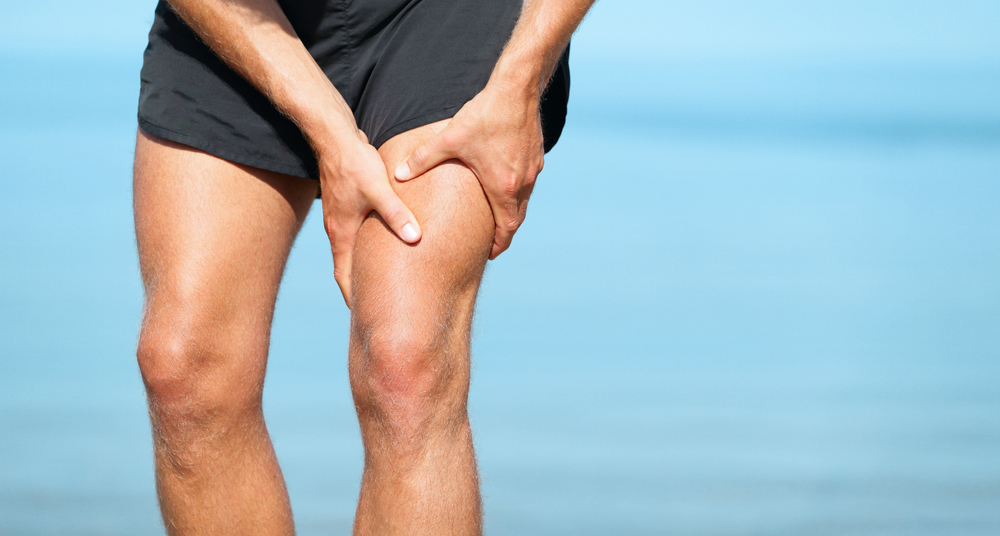
The Muscle pain or spasms that occur during intense exercise are symptoms of another of the disease caused by heat.
This is because The loss of fluids and electrolytes due to sweating usually contributes to heat cramps. They are the people who exercise or practice some sport, especially exposed to high temperatures, the most likely to suffer them.
These cramps usually affect the muscles of calves, arms, abdomen and back. However, they can also affect any muscle group involved in the exercise.
Heat rash
Heat eruption, too known as Miliariait is that produced by excessive sweating when there is very heat and humidity.
It usually causes skin irritation, characterized by the appearance of a set of reddened granites or small blisters, mainly located in the neck, chest, groin, under the breasts and in the elbow folds.
Although it may appear at any age, it is more common in children.
How to prevent heat diseases?
Heat -related diseases can be prevented, in addition to staying in fresh places, through daily actions that help hydration and body protection.
- Hydrace: Drinking water, refreshing drinks or with electrolytes will help you avoid dehydration. Avoid sugary or alcoholic beverages.
- Wear light clothes: Prefer baggy and light fabrics to facilitate ventilation.
- Remain in fresh environments: If you are in a closed space, make sure you have air conditioning. Otherwise, look for places that do. Remember that fans are not enough to prevent health problems when the temperature is too high.
- Plan your outdoor activities: If you need to leave, do it in the coolest moments of the day, avoiding intense physical activity under the sun.
- Apply protector aloneA: This will help prevent skin burns and irritations. Make sure the product is “wide spectrum” or provide “UVA/UVB protection.” In addition, keep your skin well hydrated.
- Avoid heavy and hot meals: Opt for fruits and vegetables, since they provide electrolytes and minerals essential to maintain good hydration.
In case of emergency, do not hesitate to contact relief bodies.