
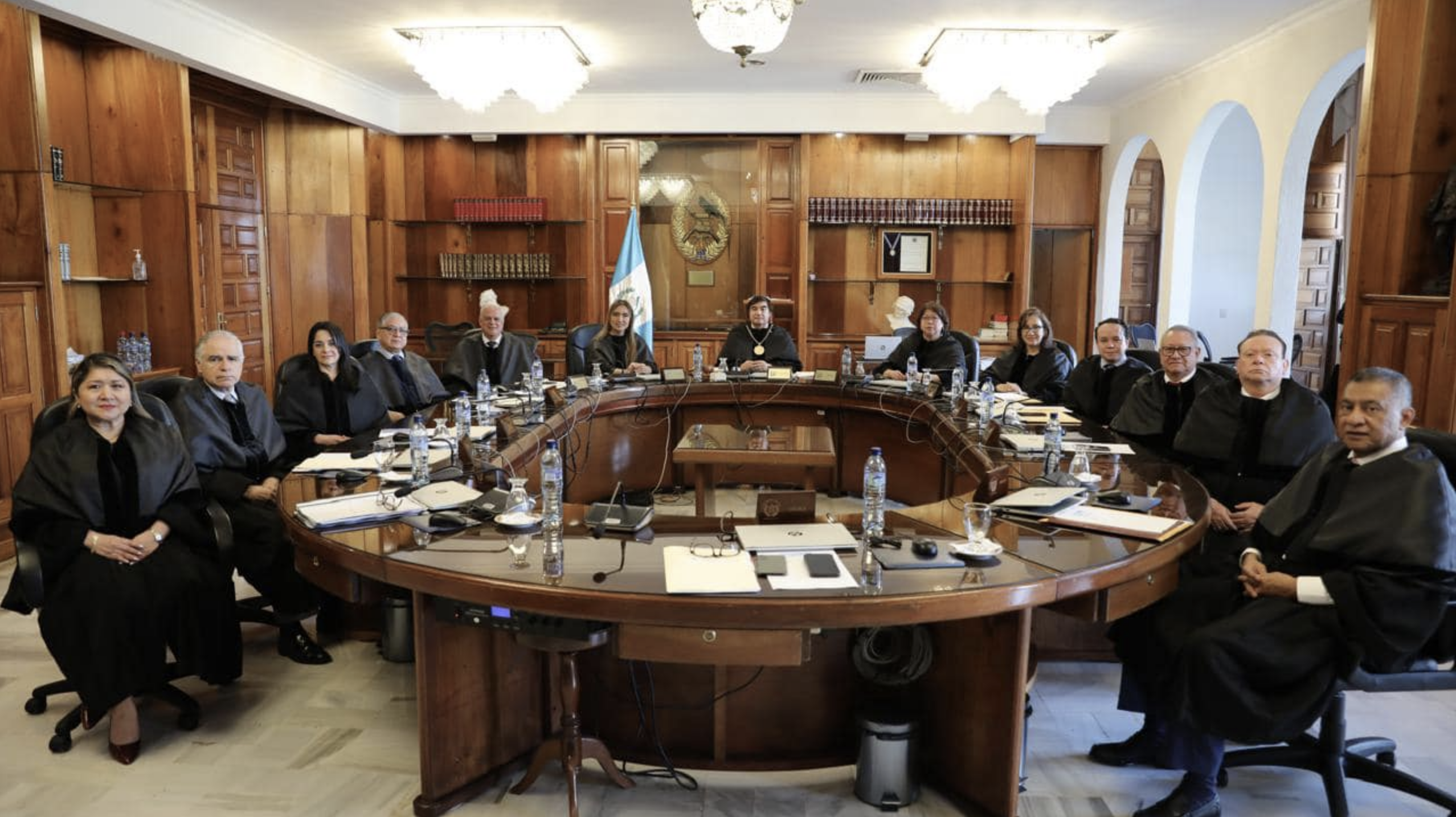
The call for the election of the new president of the Supreme Court of Justice (CSJ) announced for this Thursday faded away. The lack of agreements between the dominant group would have prevented at least attempting a vote.
The extraordinary plenary session of the CSJ remained convened for 2 p.m., according to a letter shared with the CSJ magistrates, in which the points to be discussed were reiterated.
The note signed by the Secretary of the CSJ indicates as points to discuss the integration of CSJ commissions and appointments of First Instance Peace Judges, ruling out the election of the new president of the Judiciary.
The election that had been scheduled for this Thursday was announced in official statements by Moisés Jerez, Secretary of Communication and Protocol of the Judicial Body (OJ).
The communicator has shown affinity to the current president of the CSJ, Teódulo Cifuentes, whom he proposed to be awarded by the judicial authorities for his career as a justice operator.
After the leak of that document, a new call for 6 p.m. was announced again, but it was suspended again because not all the magistrates attended.
Because this is the presidential election of the Judiciary, this plenary session cannot be made up of substitute magistrates. Judicial authorities expect a new session for this Friday, but so far they have not been summoned by the current judicial president.
Unofficial meeting
After the announcement for the election of the president of the CSJ for the period 2025-2026, who would also chair the Attorney General Nomination Commission, Sources who preferred not to be cited warned of an unofficial meeting between the dominant group of magistratesandnmeeting that would have had as its central point defining support for some of the candidate options to preside over the CSJ, of which the majority group would be undecided between some candidates.
One of them is the Judge Claudia Paredes, who was elected to office by 154 deputies in 2023, and what legislative sources relate her as a person related to deputy Allan Rodríguez, from Vamos.
Another candidate would be Luis Corado, magistrate who reached the CSJ with the vote in favor of 123 deputies, highlighting the votes against of different deputies, among them the 23 congressmen of the ruling party.

Carlos Ramiro Contreras also appeared in the race, who received the endorsement of 156 congressmen to be a judicial magistrate. He only had three votes against Nery Ramos, president of Congress; Karina Paz, then first secretary of the Board of Directors; and Marcos Tebelán, from the Cabal block.

The above, according to the monitoring figures in the last renewal of judicial authorities documented by the inspection organization, Guatemala Visible.
Although the dominant group has the nine votes necessary to define the next judicial presidency, this internal division would have led them to rule out the election for today and try to define new names.
Last week, the decision adopted by the Chamber of Amparos was surprising, after annulling arrest warrants against the former head of the defunct International Commission Against Impunity in Guatemala (CICIG) and former prosecutors.
This chamber is chaired by Carlos Ramiro Contreras, and according to judicial sources, it was an attempt by the magistrate to “clean up his image”, after ruling out the presidency of the OJ and beginning to seek support for another election in 2026.
Contreras would be seeking to be a candidate to be attorney general of the MPand would be consolidating support within the dominant group to hand over the judicial presidency to Judge Igmain Galicia.
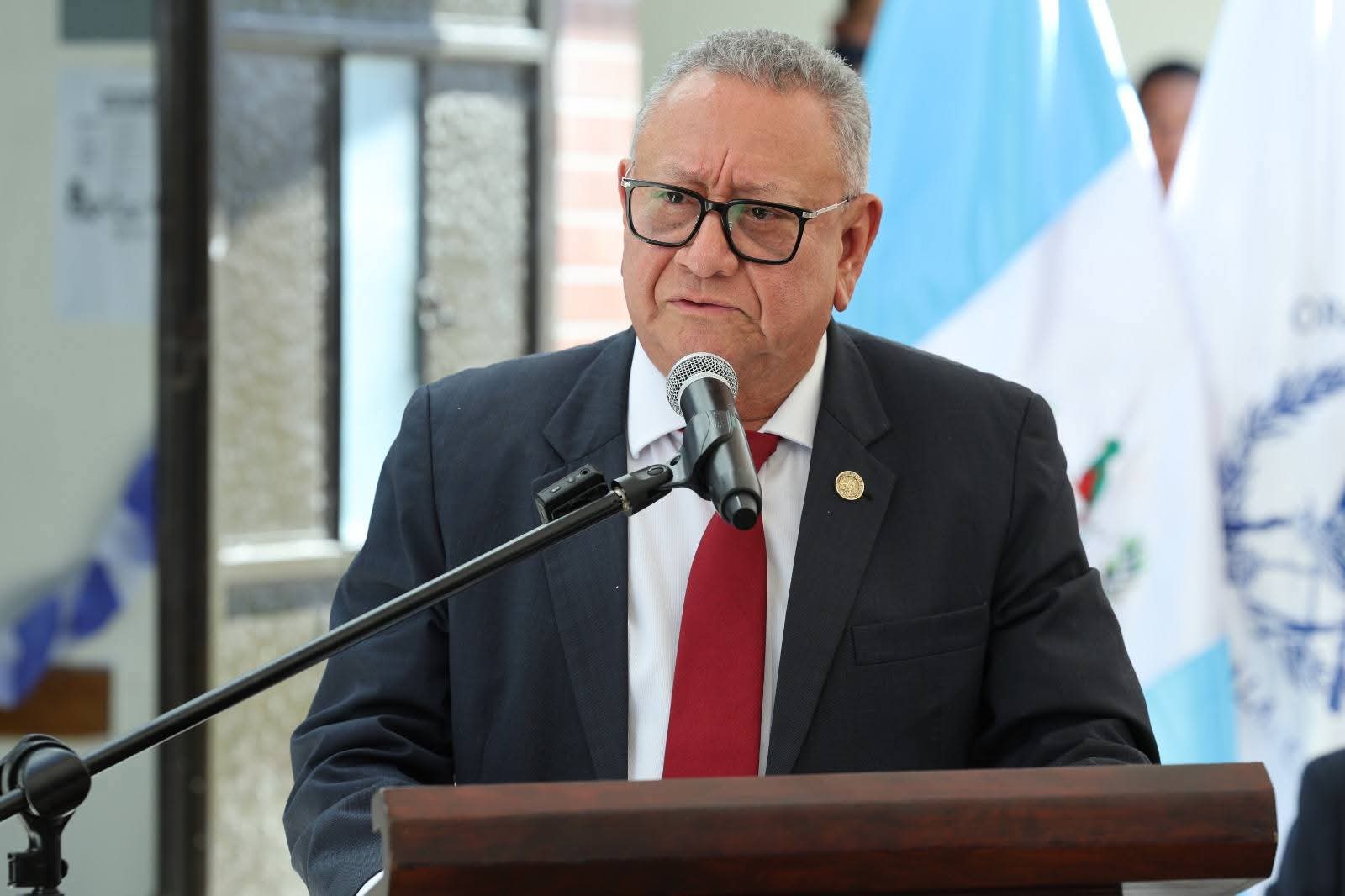
With that, Contreras will get a key vote from the candidate who will have to purge the candidates for the new MP, according to sources.
Group of 10 and three
The CSJ began fragmented and this was exposed when the judges did not reach agreements to define its first presidency. At that time, a group of eight and a group of five were emerging.
But almost a year after taking office, the balance of forces went from the dominated group to 10 by obtaining the support of the magistrate Flor de María García, representative of the CSJ before the Judicial Career Council, a position from where she defended the direct appointment of magistrates.
Another of the votes that the majority group would have obtained would be that of member I, Judge Carlos Lucero Paz, who occupies the acting presidency in the face of a possible lack of agreements in the plenary session, which makes his position strategic for the balance of forces.
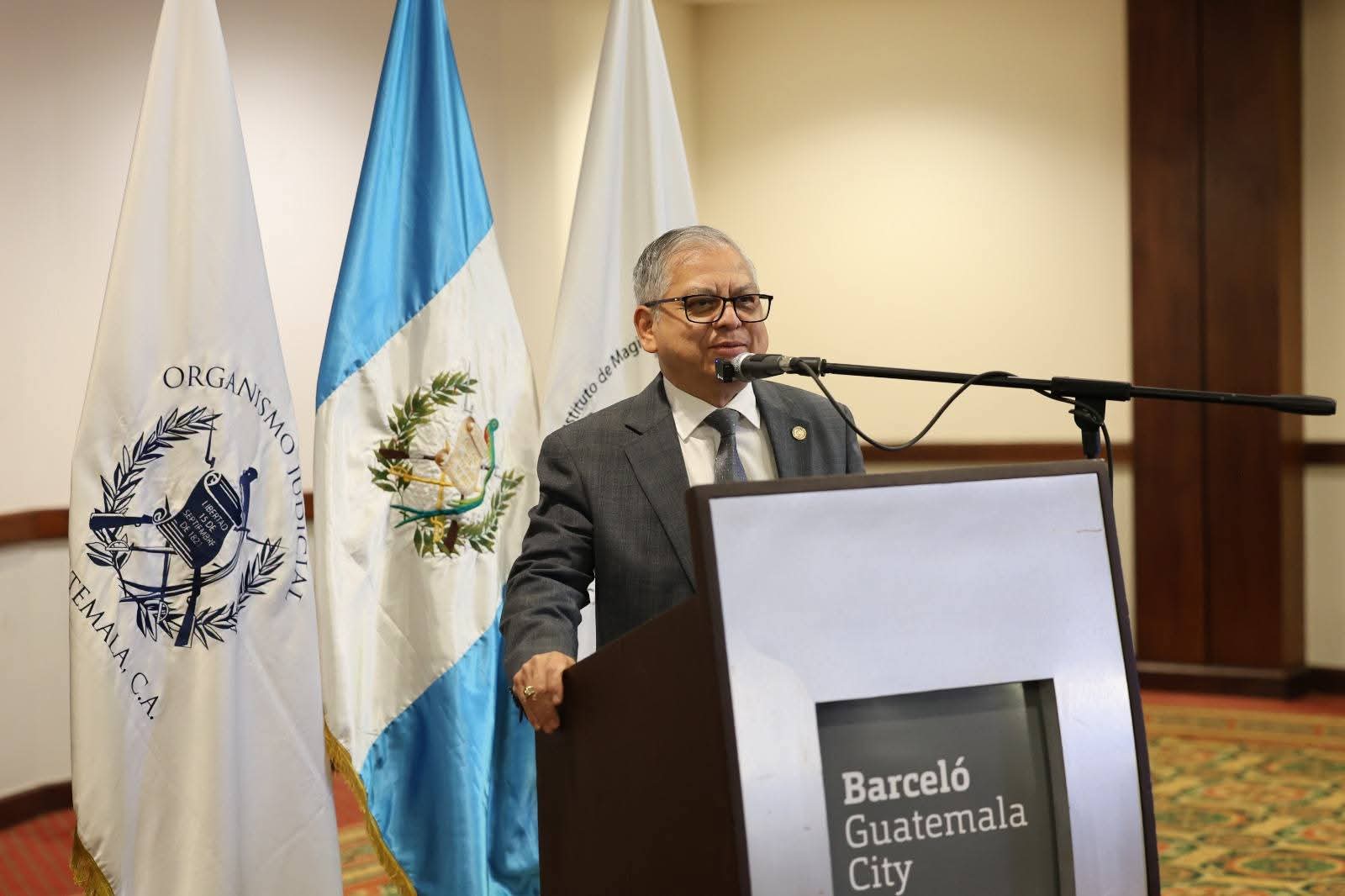
Lucero Paz would have given in to the majority group to avoid losing his immunity due to a pretrial process that Contreras would keep detained from the Amparo and Pretrial Chamber.
On the opposition side, and those who even showed their rejection of the direct appointment of magistrates in the new chambers, there are now only three magistrates: Estuardo Cárdenas, Flor de María Gálvez and René Girón.
Cifuentes’ current presidency expires on October 12 and if there is no agreement by that date, Judge Lucero Paz will assume the acting presidency.
Sources from the CSJ indicate that the election of the new president of the CSJ has not yet been called, as reported in an official statement Moisés Jerez, Secretary of Communication and Protocol of the CSJ. @OJGuatemala pic.twitter.com/2eNr2rFrxN
—Douglas Cuevas (@dcuevas_pl) October 9, 2025