
The Video Assistant Referee (VARfor its acronym in English) had its World Cup debut in the World Cup of Russia in it 2018with the aim of correcting clear errors in goals, penalties, direct red cards and identity confusion. Four years later, in Qatar 2022its functions were expanded and the power of technological review increased.
For the 2026 World Cup, it is expected that the VAR will be able to review the second yellow card and the corner kicks not granted. However, although the Video Assistant Referee reduce errors in matches, various studies in the United States indicate that its use increases significantly the total time of the game.
Despite that, his debut in the match between France and Australia, in June 2018 in Russia, marked a milestone in the history of the World Cups, even though, on that occasion, eight years ago, thirteen referees were selected exclusively for the Video Assistant Referee. Those were different times, even though not even a decade has passed.
Given the circumstances, in a world where football legislators have expanded the faculties of the VAR to review whether or not corner kicks were awarded correctly, sports fans wonder what would have been if the Video Assistant Referee had existed since the first edition, at the World Cup. Uruguay 1930.
The great controversies of the World Cups, with VAR
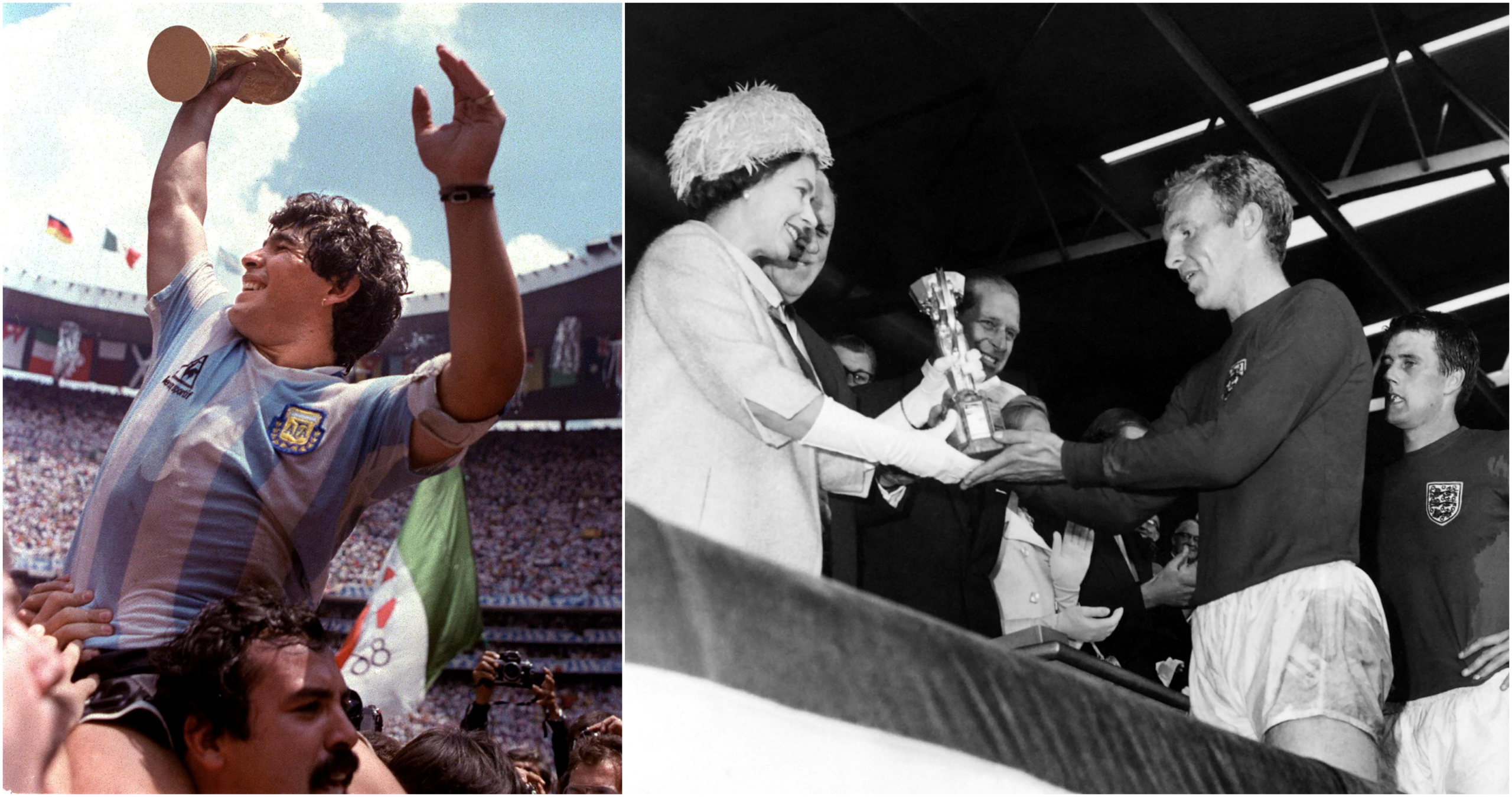
England’s ghost goal in 1966
In the 1966 World Cup final, the local England team faced the German team at Wembley Stadium, in front of more than 97 thousand spectators. In extra time, a shot Geoff Hurst It bounced between the crossbar and the line without clearly entering. Despite that, the Swiss referee validated the goal and sealed the only English world title.
England goal not validated in 2010
44 years after the controversy in Londonthe same teams once again made one of the most memorable referee errors in the history of the World Cups, since in the round of 16 of South Africa 2010 The referee did not validate England’s goal against Germany, because the ball bounced outside the goal after having entered.
Netherlands penalty against Mexico in 2014
In Mexico, the Brazil World Cup 2014 is remembered for the historic phrase “#NoEraPenal”, in reference to the penalty scored against El Tri for a foul by Rafa Márquez on Arjen Robben on June 29, in the round of 16 of that World Cup, because the soccer player Netherlands He exaggerated the fall in front of the assistant referee.
Out of place in Colombia in 2014
Also in the 2014 World Cup, the host Brazil faced Colombia in the quarter finals of the World Cup, where the iconic phrase became popular “It was Yepes’ goal“, in reference to the annulment of a goal scored by Mario Alberto Yepes at minute 68, which at that moment would have been the coffee tie in the Strength.
The Hand of God in 1986
The famous goal scored by the Argentine Diego Maradona with the hand against England in the quarterfinals of the World Cup Mexico 1986 was baptized as the “Hand of God” by those who were at the Azteca Stadium that June 22, despite the fact that at the time it was thought that the Fluff He had also touched the ball with his head.
Maradona beat the English goalkeeper Peter Shilton using his left fist and later defined the play with irony as “a little with the head and a little with the hand of God.” However, a few minutes later, the Argentine star scored the Goal of the Century in one of the most iconic matches in sport, despite the historic controversy.