
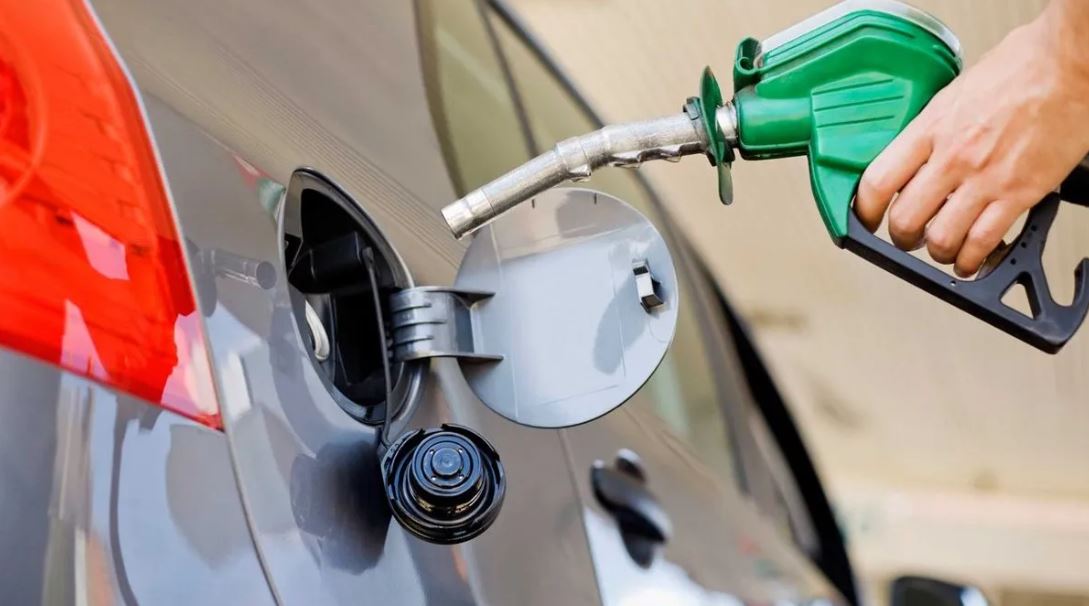
Decree 11-2026, which approves the subsidy through the Emergency Support Law for Diesel and Gasoline Consumers, was published on Monday, April 20, and comes into effect this Tuesday.
However, the corresponding regulation has yet to be issued, for which the Executive has five days after its entry into force.
How it will be applied
The way in which the subsidy will be applied was explained by the Vice Minister of Energy and Mines in charge of the Hydrocarbons area, Erwin Barrios, although he made the reservation that the regulation is still in the process of preparation and issuance.
Within this process, mathematical exercises have been carried out so that the emergency support complies with what is established by law, but that it is also applied in full to the consumer, said the official. For example, in this exercise carried out, the consumer perceives it net, he added.
He insisted that the application of the subsidy will be made to the importer, but The discount must reach the final consumer.
Example of a diesel reference price (with estimated or assumed data):
- Ex-rack price with emergency support discount and already including IDP taxes and VAT: Q29.25 per gallon
- Margin and freight estimate: Q2.58 per gallon
- Total to pay by the consumer: Q31.83 per gallon
- In this example the price without discount is: Q39.83 per gallon
This difference shows the discount of the subsidy of Q8 per gallon in the case of diesel, and the same exercise would be done with gasoline.
CONTENT FOR SUBSCRIBERS
The official explained that the ex-rack price at the exit of the importer’s terminal is where the discount for emergency support or subsidy is made and already includes the Tax on the Distribution of Petroleum and its Derivatives (IDP) and the Value Added Tax (VAT). When moved to the pump at the service station, estimates of ground freight and insurance are added, as well as an estimate of the dispenser’s margin.
The ex-rack price is also known as the fuel terminal price and refers to the value of the product measured at the storage terminal, before being loaded into tanker trucks for distribution to gas stations.
Barrios added that they are still working on the draft regulations, but in general terms he mentioned that, based on technical reports generated by the Superintendence of Tax Administration (SAT) in relation to fuels distributed from import terminals to gas stations, the Ministry of Energy and Mines (MEM) will be able to create files for each importer to materialize emergency support for consumers of diesel and superior and regular gasoline.
“The procedure is transparent and easy to supervise and this will be reflected in the invoices of final consumers,” said the official.
Article 3 of Decree 11-2026 establishes that andAll invoices issued in the marketing chain must include the annotation of the temporary social support approved in this law.
He added that the reference sales prices in terminals (ex rack) and the reference prices to the final consumer will be constantly monitored by the Directorate of Consumer Care and Assistance (Diaco) and the MEM through the Sentinel Plan.
Details of the fuel subsidy:
- The total amount is Q2 billion for a period of three months
- It will be subsidized with Q8 per gallon of diesel and Q5 per gallon of gasoline.
- The subsidy will be recognized to fuel importers duly registered with the General Directorate of Hydrocarbons of the MEM, after verification by the SAT, which will validate the correct application of the reduction in prices throughout the marketing chain, explained the Ministry of Public Finance.
- To guarantee compliance, Diaco will carry out permanent monitoring at fuel stores nationwide.