
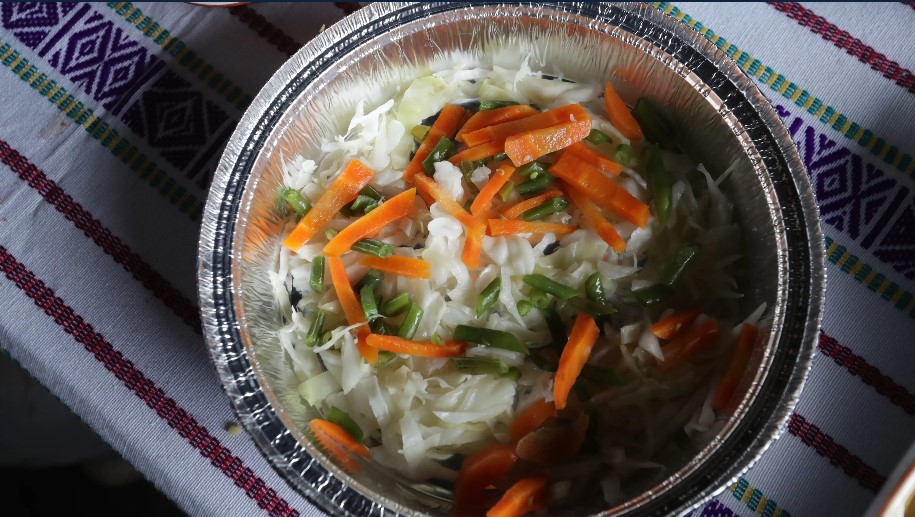
In an unexpected twist that many probably didn’t see coming by 2026, cabbage has become a trend, gaining attention on social media platforms like Instagram and TikTok. Pinterest even named it this year’s trending vegetable, predicting that cabbage steaks, kimchi cocktails, and other recipes with cabbage as the main ingredient will be everywhere.
Despite cabbage’s reputation as one of the most humble vegetables out there, the stir it has caused makes sense when you think about it.
“Cabbage is an affordable, versatile, delicious, hearty vegetable that, honestly, hasn’t gotten much attention for a long time,” said Nate Wood, founding director of culinary medicine at Yale School of Medicine and the Irving and Alice Brown Teaching Kitchen at Yale New Haven Health.
Most importantly, it can have impressive benefits for the gut microbiota, the community of trillions of bacteria and other microbes that populate the digestive tract.
Whether green, red or purple, bok choy, kale or bok choy, Nutrition experts say any type of cabbage is an excellent choice. Curious about what makes this vegetable so nutritious? Here we tell you everything you need to know.
It is full of fiber
One cup of raw cabbage contains about 2 grams of fiber. It may not seem like much, but most people don’t meet their daily fiber needs (28 grams a day is recommended on a 2,000-calorie diet), so every little bit counts.
“You don’t want to get all your fiber from a single meal, but distribute it throughout the day through the different ingredients in each meal,” explained registered dietitian Maddie Pasquariello.
Most of the fiber in cabbage is insoluble fiber, Wood explained, which bulks up your stool and helps stimulate bowel movements to maintain regularity. In addition, it takes up space in the stomach, which produces a greater feeling of satiety.
Cabbage also contains soluble fiber, which combines with liquid to form a gelatinous substance in the intestines. This can help lower cholesterol, improve blood sugar control, and contribute to feelings of satiety.
Additionally, some of the fiber in cabbage is considered prebiotic, meaning it feeds the beneficial bacteria in your gut so they can grow and multiply, Wood explained. This, ultimately, helps maintain a healthy intestinal mucosa that promotes good digestion, strengthens the immune system and improves the absorption of minerals.
It is easily fermentable
Cabbage in its fermented forms, such as sauerkraut and kimchi, is an excellent source of probiotic bacteria, said Amanda Sauceda, a registered dietitian specializing in gut health.
As you may already know, probiotic foods increase the diversity of your microbiome, which has been linked to a stronger immune system, better digestion, and many other health benefits.
“By eating that fermented cabbage, you’re consuming the beneficial bacteria and prebiotics — the food for the beneficial bacteria — that exist in raw cabbage,” Wood said. “So it’s a really synergistic positive effect.”
As with any high-fiber food, you should be careful not to consume too much sauerkraut too quickly, especially if fiber is not a regular part of your diet or if you often experience intestinal discomfort after eating it.
“If you’re not used to it, it can still cause digestive problems like bloating, so you should increase your intake gradually,” Pasquariello said. If you feel gassy when eating cabbage, consider eating smaller portions and see how you feel before increasing the amount.
It is rich in micronutrients
Cabbage is packed with important micronutrients such as vitamin C, vitamin K, vitamin B6 and folate, all of which are essential for the proper functioning of various body systems and functions. One cup of raw cabbage contains about 36 milligrams of vitamin C, which is almost half of the recommended daily intake for women (75 milligrams) and about 40% of the recommended daily intake for men (90 milligrams).
Like other plant foods, cabbage also contains antioxidants, which help protect cells from damage and have been linked to lower inflammation and a reduced risk of multiple health problems, including certain types of cancer, stroke, macular degeneration, heart disease, and cognitive decline, although research in these areas is still inconclusive.
CONTENT FOR SUBSCRIBERS
Plus, it’s moisturizing. “Cabbage is naturally high in water and low in sodium, fat and calories, making it an ideal food to add to salads, soups, stews and grain bowls to add bulk,” Pasquariello said.
How to eat more cabbage
Cabbage works well in many different foods and recipes.
Whether you love cabbage or just want to give this vegetable another try, here are some ideas for incorporating it into your meals:
- Make a simple coleslaw and serve it on top of fish tacos, pulled pork sandwiches, or burgers, or eat it as a side with your favorite sandwich.
- Are you making a salad or a bowl of cereal? Use shredded cabbage instead of the usual leafy greens. “You can also add other crunchy ingredients such as seeds, nuts or raw green pepper for an extra dose of fiber,” Sauceda said. Let this orange and cashew slaw serve as your inspiration.
- Do you feel like your lunch or dinner plate is missing something? Get into the habit of adding sauerkraut, kimchi, or pickled cabbage for a tangy touch.
- If you’re curious about making your own sauerkraut, try recipes for classic sauerkraut or bok choy kimchi.
- Roast it for a quick and easy side dish. “Cut it into wedges, drizzle it with olive oil and your favorite seasonings before putting it in the oven,” Pasquariello said. Or try the Roasted Cabbage with Chickpeas and Tomatoes recipe.
- For melt-in-your-mouth cabbage, try the Braised Red Cabbage Wedges recipe.
- Roast bok choy tender with miso butter or stir-fry with tofu and vegetables.
Even if you think you don’t like cabbage, the experts we spoke to recommend giving it another chance. Choosing a different type or preparing it in a new way could be just what you need to make you fall in love with this vegetable and enjoy it while you’re in the spotlight (and beyond).