
When night comes, the sky becomes the scene of various astronomical phenomena that dazzle Guatemalans. In May, events such as the Eta Aquarid meteor shower can be observed in Guatemala.
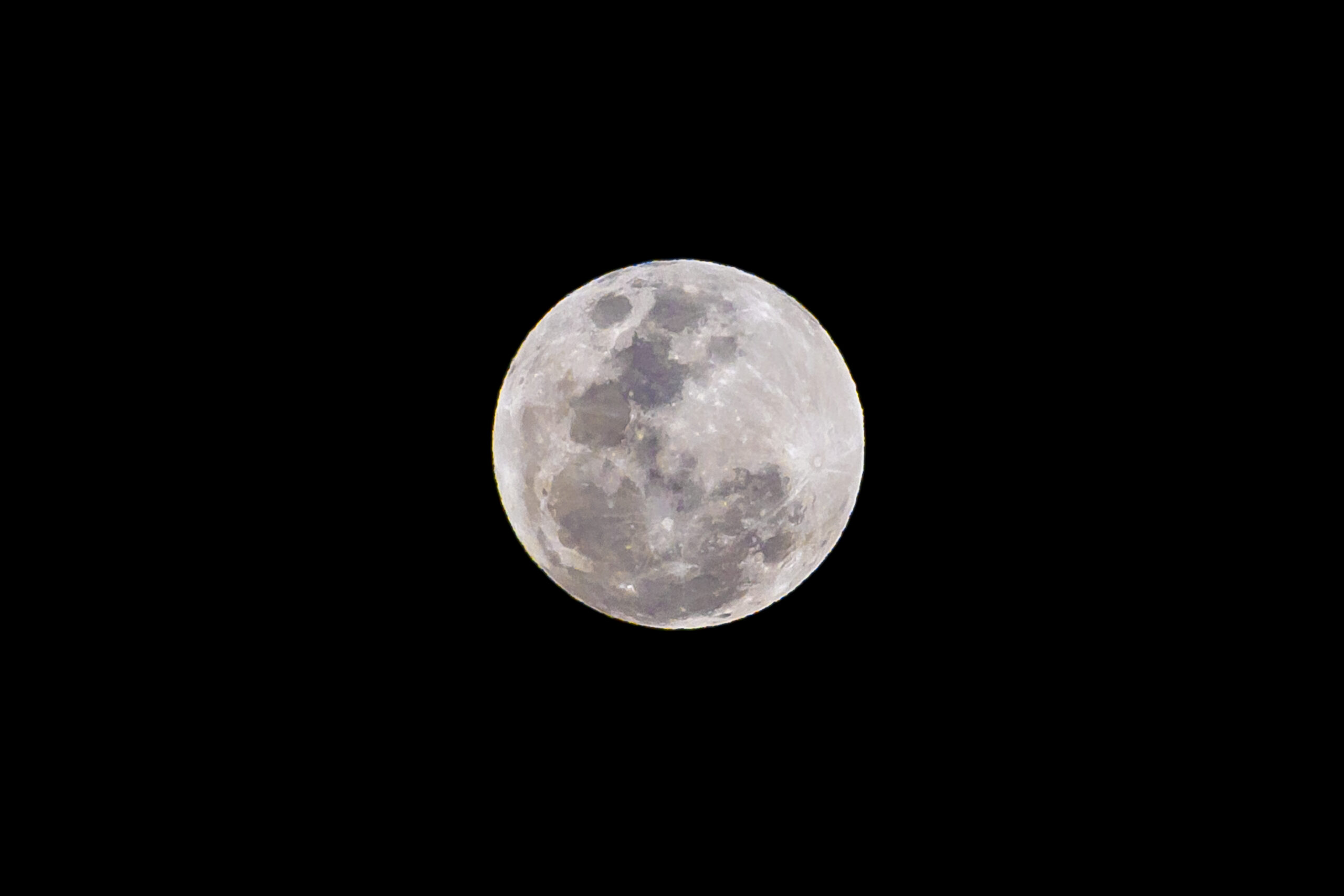
The natural satellite will be another of the starring stars, with the change of its phases, which each month offers unique images.
Likewise, the Moon will be positioned at close angles to other planets, ideal events for observation, mainly in clear areas and with telescope support.
The National Institute of Seismology, Volcanology, Meteorology and Hydrology (Insivumeh) shared part of the events that will occur in May and that could be observed from Guatemala, among them:
Eta Aquarid meteor shower
One of the events that mark May is the Eta Aquarid meteor shower, which reaches its peak at the beginning of the month. NASA highlights that these meteors are characterized by their speed, since they can travel at about 65.4 kilometers per second when they enter the Earth’s atmosphere.
One of the relevant data about this phenomenon is that the Eta Aquarids leave luminous trails – incandescent fragments in their wake – that remain in the sky for seconds and even minutes, NASA highlighted.
The agency notes that, during its peak, around 50 meteors can be observed per hour. According to Insivumeh, that peak will occur on May 6.
During the early morning hours, the greatest activity of this meteor shower will be reached, reported Luis Icú, from Insivumeh.
This phenomenon, which began on April 19 and will end on May 28, will peak on May 6.
The Insivumeh indicated that the event will have greater visibility from 1 o’clock, heading east, and that its radiant is located in the constellation of Aquarius. In addition, the light of the full Moon could make it difficult to observe.
Venus and the Moon
As part of the astronomical calendar, the Insivumeh indicates that the Moon and Venus will share a region in the sky on May 18, with an angular separation of three degrees.
This event will be visible from 6:30 p.m. to 8:30 p.m. and could be observed, since the Moon will be in a new phase, so its light will not interfere with the visibility of Venus.
Other approaches
During this month, the Moon will approach other planets in the solar system, including:
- The Moon will approach Mars and Saturn on May 14, from 4:10 a.m. to dawn
- On the night of May 20, the Moon will be close to Jupiter, from 6:30 p.m. to 8:40 p.m.
May lunar phases
- Full Moon: May 1
- Last quarter: May 9
- New Moon: May 16
- Crescent: May 23
- Full Moon: May 31