
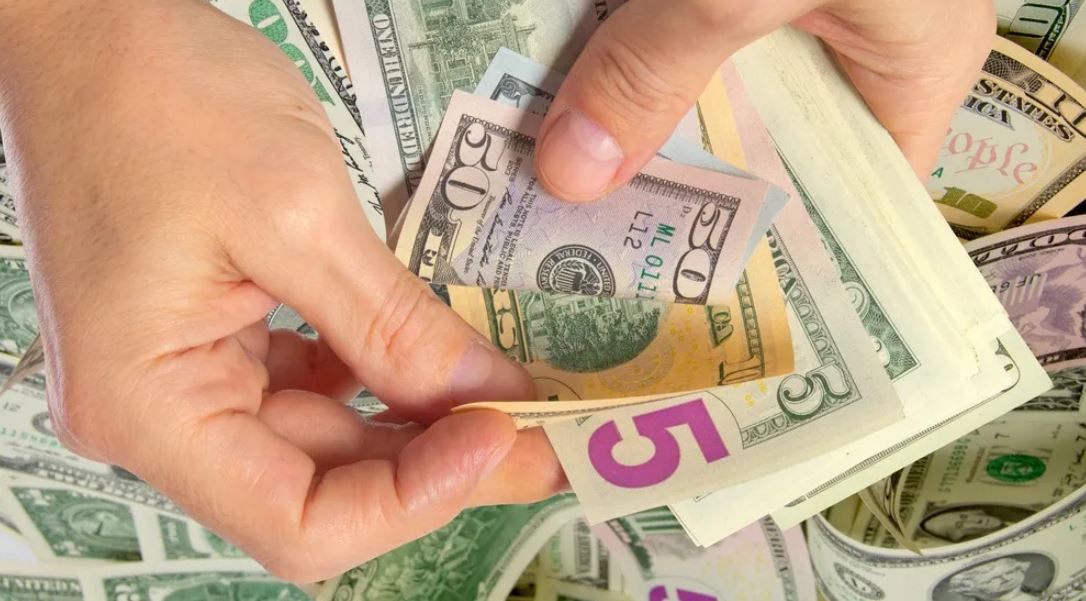
Guatemalan migrants sent US$2,141.2 million to the country in family remittances in April 2026.
The figure represents a growth of 7.9% compared to the same month last year, with US$156.6 million more.
Cumulatively, in the first quarter of 2026, US$8,431.6 million (US$804.3 million more) were reached, an increase of 10.5% compared to the same period in 2025, according to data from the Bank of Guatemala (Banguat).
March of this year continues to be the month with a historical record, with US$2,441 million, equivalent to about Q18,673 million, which means an interannual growth of 21.9%.
The upward behavior in these two months occurs at a time of international geopolitical tensions in the Middle East, which has led to increases in the price of a barrel of oil and refined products on a global scale.
On February 28 of this year, the conflict between the United States and Israel with Iran intensified, when the first two launched a military attack, followed by responses from Iran. Although a ceasefire was declared about three weeks ago, the positions expressed by the countries and other measures continue to create uncertainty, including the situation in the Strait of Hormuz.
The conflict has led to a cumulative upward variation of around 85.3% in oil prices, as explained on Wednesday by the president of Banguat, Álvaro González Ricci.
The official also stated that The quetzal has appreciated against the dollar since mid-2025, but during May 2026 the exchange rate reached its lowest level of the year, specifically on May 5, when the dollar was quoted at Q7.63017, with similar behaviors during the week.
CONTENT FOR SUBSCRIBERS
This behavior was attributed to the fact that more foreign currency is entering the country than the financial system demands, mainly due to the increase in family remittances and export growth.
Family remittances grew 18.6% last year, reaching US$25.53 billion.
By 2026, they are projected to reach almost US$27 billion (around 5% more), González said.