
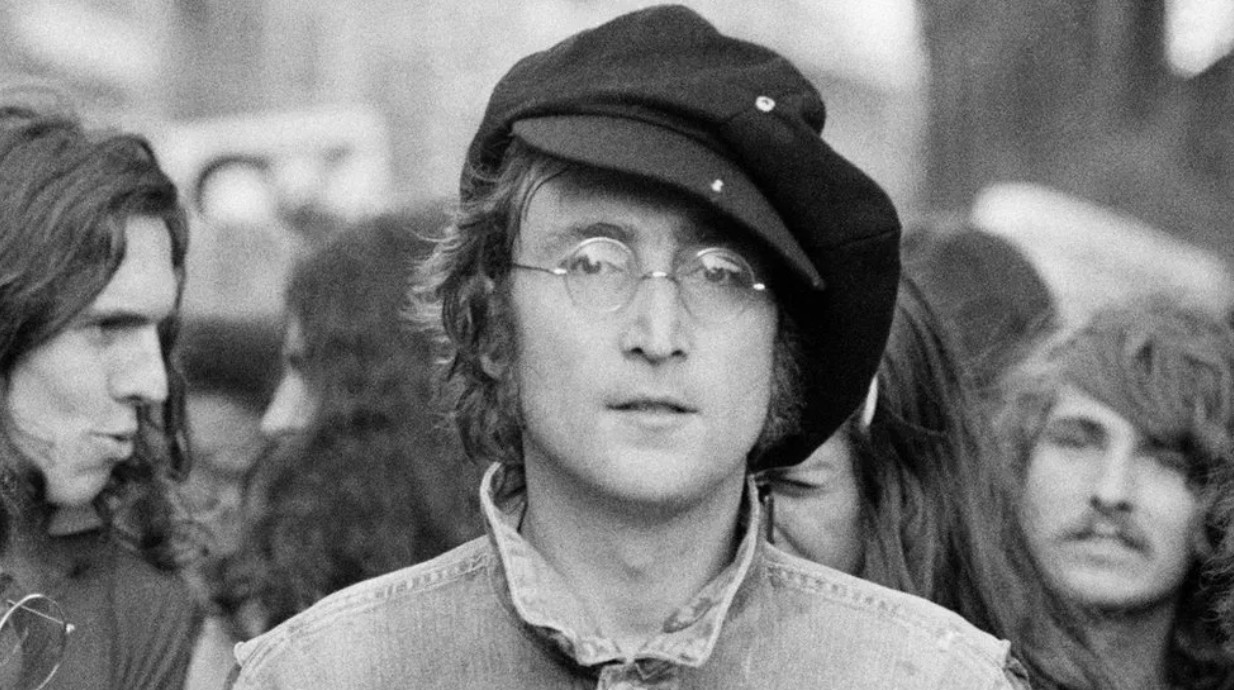
The last interview with the British musician and founder of The Beatles, John Lennonmade hours before his murder, was revealed in a documentary presented at the 2026 Cannes Film Festival.
The production, titled John Lennon: The Last Interviewrescues an unpublished conversation of the musician, recorded on December 8, 1980 on the RKO radio station, in the apartment he shared with his wife, Yoko Onoin the Dakota Building, in New York City.
In the dialogue, Lennon declared that his work would not be finished “until he was dead and buried.”and expressed hope that that moment would come “in a long, long time.”
“I reckon my work won’t be done until I’m dead and buried, and I hope that’s a long, long time away.“, is heard at the beginning of the documentary. However, hours after saying those words, He was shot to death outside the building..
The three and a half hour interview was conducted by journalist Dave Sholin and producer Laurie Kaye, in order to promote the disk Double Fantasywhich Lennon and Ono had released weeks earlier.
Lennon pointed to Yoko Ono as your source of inspiration and shared their plans to record a second album together and, perhaps, a third with her.
Among other matters, he referred to John F. Kennedyformer president of the United States, as a symbol of hope due to his death, as well as his regret for not having been a present father to his eldest son, Julian, the result of his marriage to Cynthia Powell.
These and other parts of the sound record were used for the documentary John Lennon: The Last Interviewdirected by Steven Soderbergh, which premiered on Friday, May 15, 2026 at the Cannes Film Festival.
When presenting his work, the director told the magazine Variety that Lennon and Ono were very free during the conversation.
“I was surprised by how open and excited they were to talk. Everything they said 45 years ago is not only still relevant today. It’s even more relevant in terms of relationships, politics and how we treat each other,” Soderbergh said.
However, The production also caused controversy for Meta’s use of artificial intelligence to create images that accompany some parts of the interview.which represent approximately 10% of the film, according to Infobae.
“I owe people the best version of the art I try to make and complete transparency about how I do it.“said the director, who defended his work and added that he used technology because “it has to be necessary. Is it the only way to achieve what I want to see? Is it really the best way to do it?”