
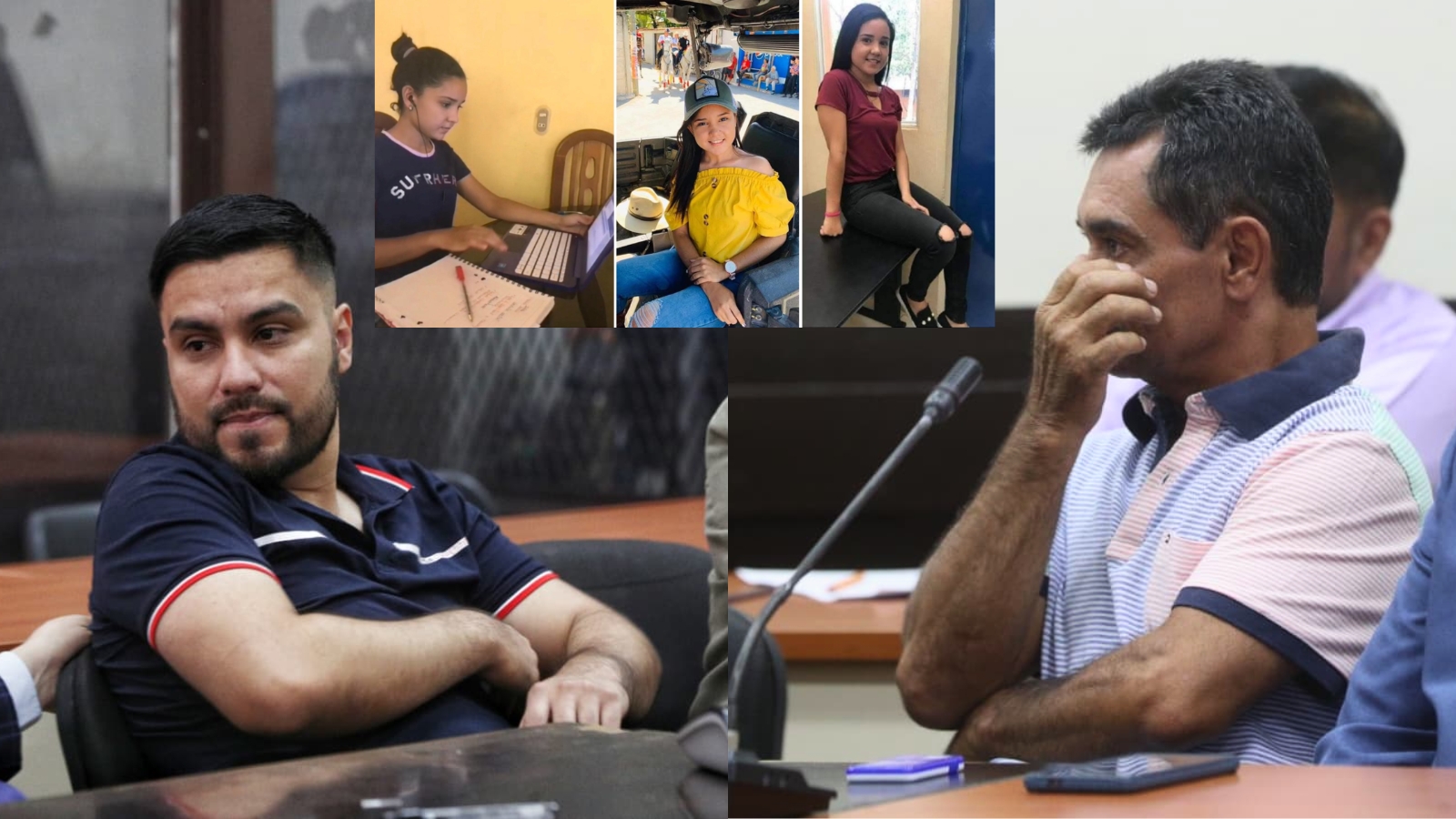
After more than five years of investigations, hearings and judicial proceedings, the High Risk Court B found Kevin Manolo Rivas Cordón guilty for the crimes of plagiarism or kidnapping and murder to the detriment of his cousin, Litzy Amelia Cordon Saveda 20-year-old university student who disappeared on October 5, 2020 in Teculután, Zacapa, and was found dead a day later.
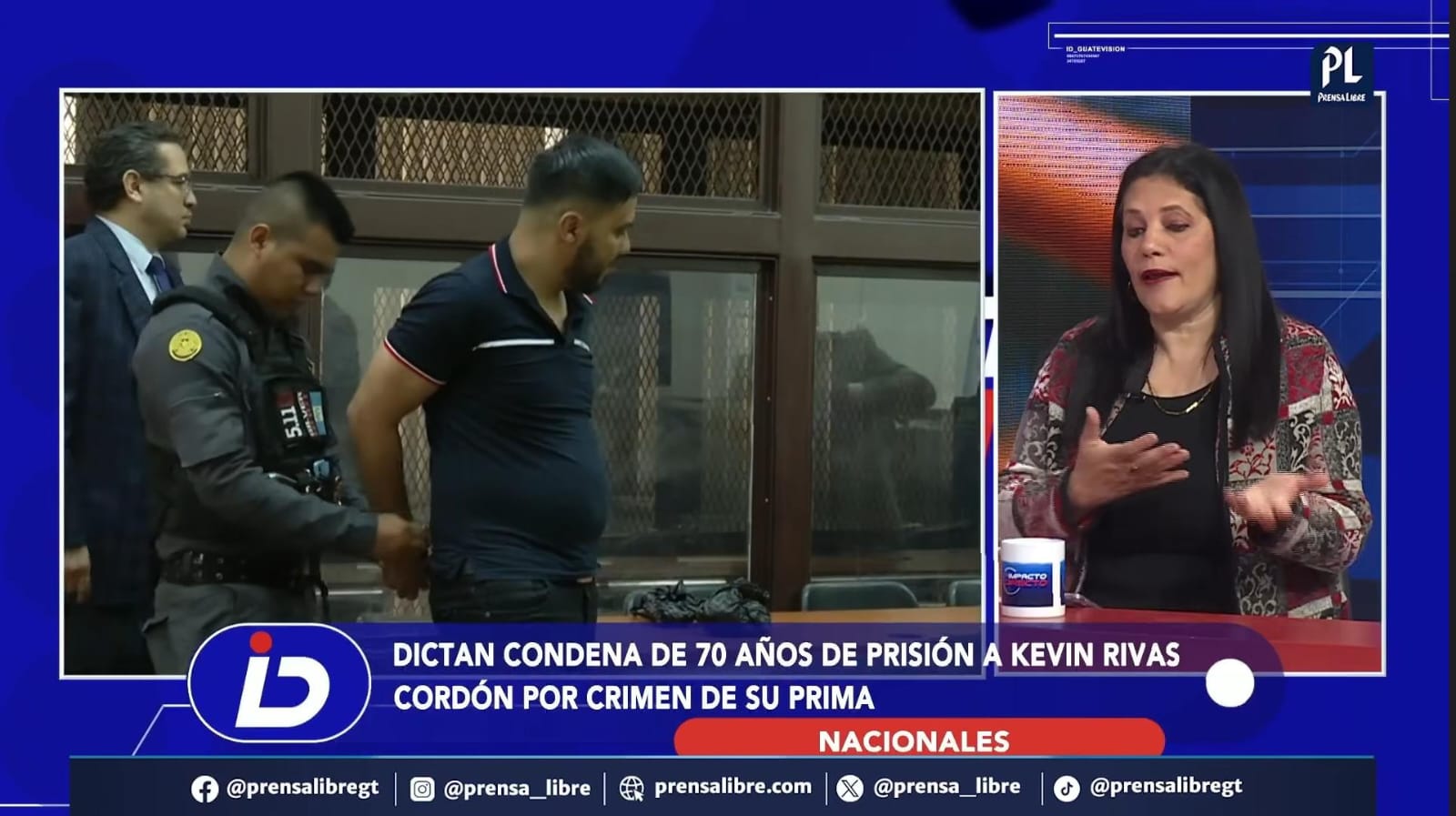
The judges imposed a sentence of 35 years in prison for plagiarism or kidnapping and 35 years for murderfor a total of 70 years in prisonalthough the legislation establishes that the effective sentence cannot exceed 50 years. The resolution was adopted by a majority, considering that the documentary, testimonial and technological evidence presented during the trial made it possible to prove the criminal responsibility of the accused.
Hours before the sentence was announced, Edgar CordonLitzy’s father, reiterated his demand for justice and asked an exemplary sentence. “We demand that justice be done. That he be sentenced to the maximum years that the law can give him,” he said.
He also stated that, if the death penalty exists in Guatemala, it should be applied in cases like that of his daughter.
“If the death penalty could be applied here, it would have also been applied to him. Because just as he kidnapped, raped and killed my daughter, that’s how he should have been too,” he stated.
A case that marked a family and a community
During the program Direct Impactfrom Guatevisión, analysts pointed out that the case had a strong impact because it was a crime committed, as determined by the court, by a member of the victim’s family circle.
“A family is ultimately broken by the death of one of its members,” they mentioned during the discussion, highlighting that the case generated commotion both among Litzy’s relatives and in the community of Teculután.
“The important thing here is that justice is done,” they noted, explaining that it is up to the courts to determine criminal responsibility based on the evidence, expert reports and reconstructions incorporated into the file.
The debate on penalties for kidnapping in Guatemala
During the analysis it was also recalled that the crime of plagiarism or kidnapping It has historically been one of the most severely punished in Guatemala.
“The crime of plagiarism or kidnapping is one of the worst crimes,” stated the panelists, who recalled that years ago this criminal figure even contemplated the death penalty within Guatemalan legislation.
The experts explained that international treaties signed by Guatemala on human rights currently prevent the application of this sanction, although they highlighted that the historical objective of the most severe penalties was to send a dissuasive message against crimes considered extremely serious.

A sentence that comes almost six years later
Another point addressed in the program it was the time elapsed between the crime and the sentence. “Almost six years later a conviction is given,” noted the analysts, who discussed citizen perceptions of the slowness of judicial processes in Guatemala.
During the exchange it was also highlighted that the duration of cases is usually related to the workload of the courts, the complexity of the investigations and the legal actions promoted by the parties involved.
The Public Ministry had requested a sentence of 112 years in prisondistributed over 50 years for murder, 50 for kidnapping or kidnapping, and 12 for rape. However, the High Risk Court B only convicted Kevin Rivas Cordón for the crimes of plagiarism or kidnapping and murder.
According to the investigation, Litzy Cordón He left on the morning of October 5, 2020 towards a house where he used to water plants. Hours later, relatives began to receive calls demanding Q5 million in exchange for his release. His body was located the next day in the Los Pasitos hamlet, in Los Puentes, Teculután.
The National Institute of Forensic Sciences determined that the young woman died from asphyxiation due to strangulation and that she showed blows, signs of physical violence and sexual assault.
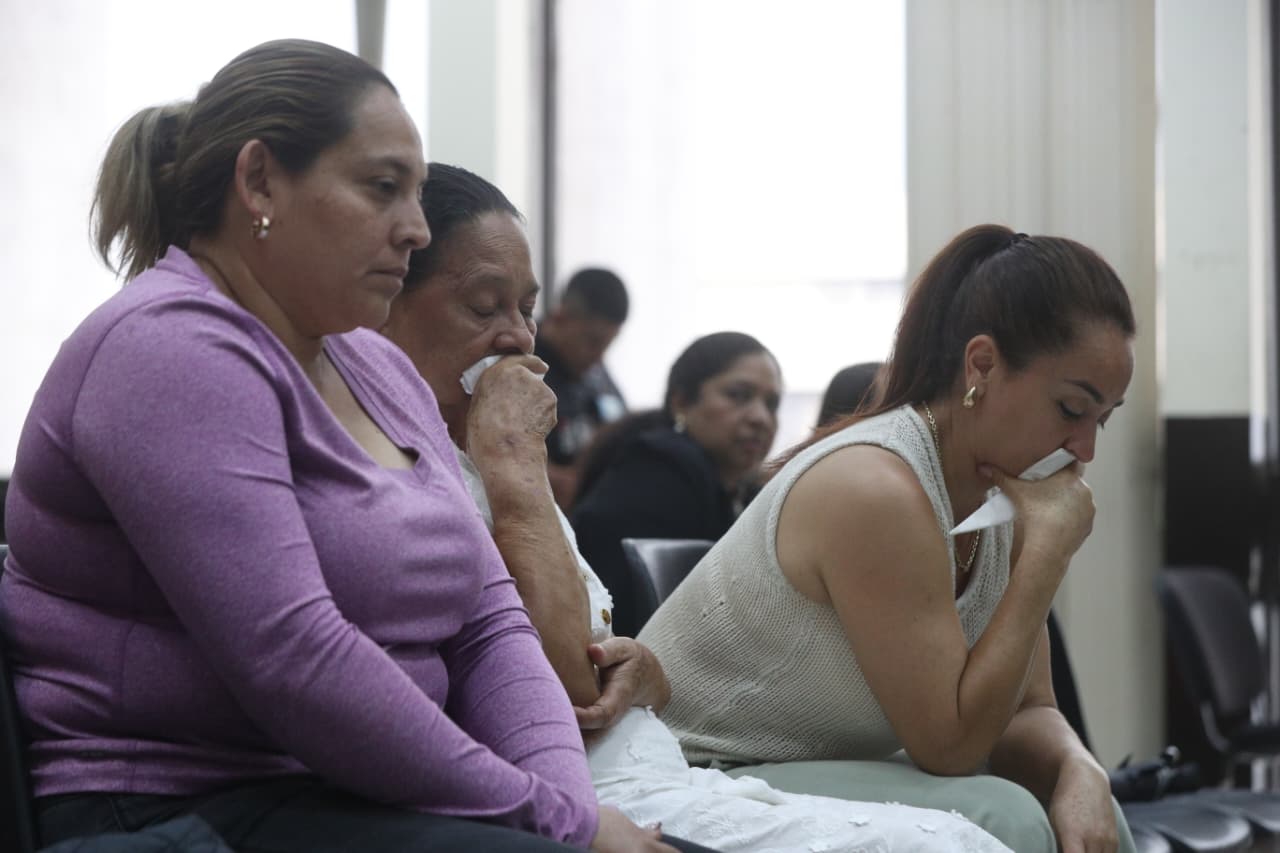
With the sentence issued this June 10, the case enters a new judicial stage, while Litzy’s family maintains that the conviction represents a step towards the justice that they demanded for almost six years.
*Stay up to date with the Now newsletter. Key information at the moment it happens. Subscribe here.