
The observation mission of the Climate, Democracy and Inclusion Institute (CDI), led by former Latin American leaders, concluded its second visit to Guatemala this Friday, June 12, and highlighted “important progress” in the democratization of judicial bodies and the consolidation of the Attorney General’s Office, although it warned that institutional challenges persist.
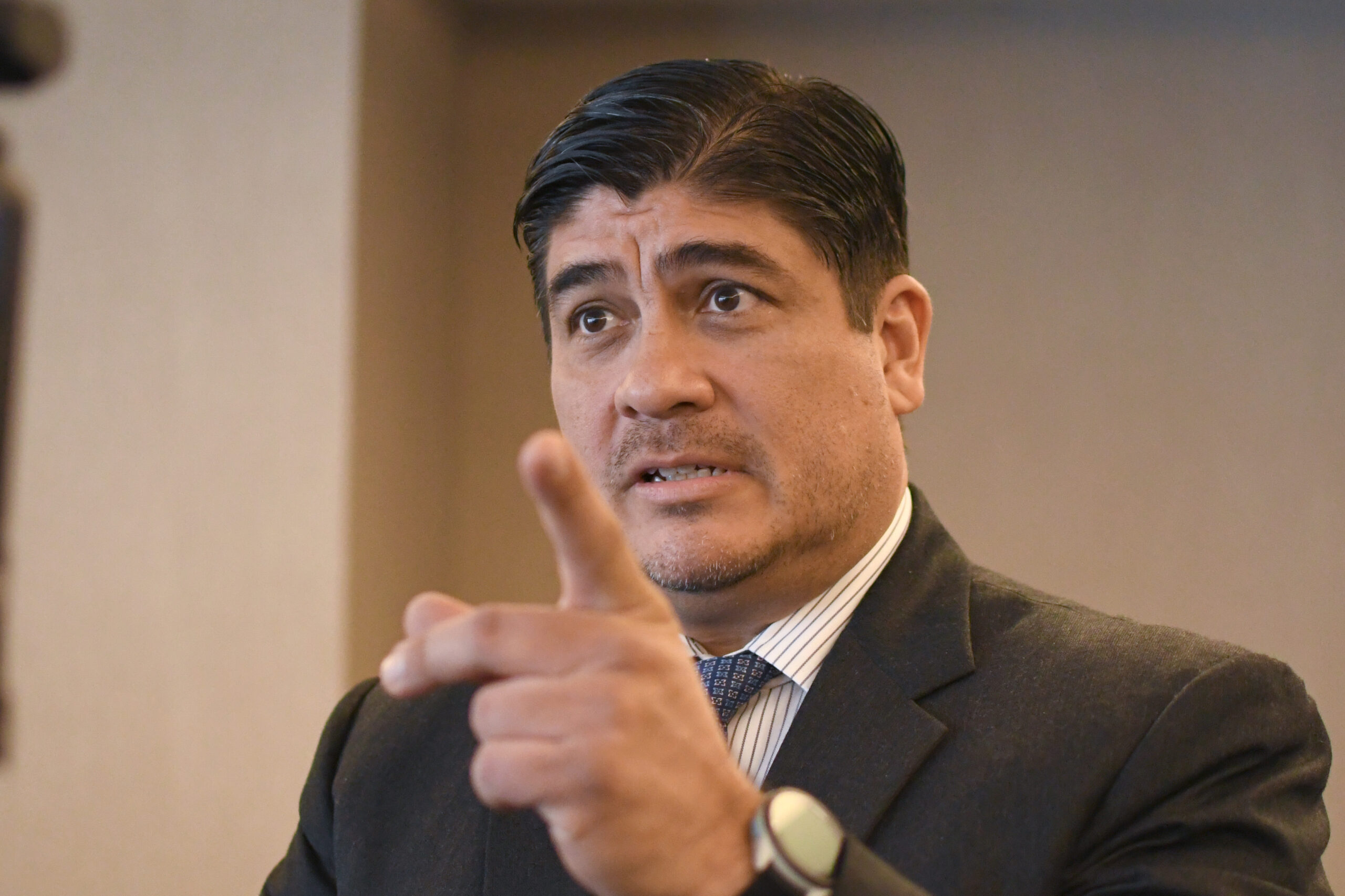
The former Costa Rican president and founder of the CDI, Carlos Alvarado Quesada (2018-2022), highlighted the change in the leadership of the Public Ministry (MP) and the justice system, within the framework of the supervision that the entity carries out on the processes of appointing high authorities in the country.
“The change in the Attorney General’s Office is notable, not only because of the democratic and timely process that was carried out to make this election, but because it represents a real change for Guatemalan society, which today breathes more calmly in this area. We congratulate these advances; however, we must draw attention to many other circumstances in which work must continue,” Alvarado Quesada pointed out.
This second delegation of 2026 continues a dialogue that began last February to evaluate the effects of the replacements in the Constitutional Court (CC), the Supreme Electoral Court and the Attorney General’s Office, in addition to monitoring the upcoming appointments in the Comptroller General of Accounts and the Supreme Court of Justice.
The results of the international mission underline that the democratic strengthening of Guatemalan institutions requires constant progress. In its conclusions, the delegation highlighted the urgency of maintaining international surveillance over the nomination commissions to safeguard the suitability of future judicial authorities.
Given this panorama, Alvarado Quesada appealed to citizens, civil society and the different sectors of the country to continue getting involved in the institutional strengthening of a plural nation that has the support of the international community on its democratic path.
During 2026, Guatemala faces a cycle of institutional replacements that covers both the processes concluded in the justice sector and the pending appointments in the Comptroller General of Accounts and the Supreme Court of Justice.
Likewise, in September there will be changes in the leadership of the Superintendency of Banks, the supervisory body of the financial system, and in the presidency of the Bank of Guatemala.
*Stay up to date with the Now newsletter. Key information at the moment it happens. Subscribe here.