
Lions, elephants, leopards, eagles, foxes and sharks have accompanied African teams for decades, but Behind each nickname there is a story that mixes national identity, culture, geography and collective memory.
The best known case is probably that of Morocco, whose footballers are the Atlas Lions. The nickname refers to the Barbary lion or Atlas lion, a subspecies that inhabited the Atlas Mountains and other areas of North Africa for centuries before disappearing in the wild during the 20th century.
The Moroccans, who made their debut in this World Cup with a draw against Brazil (1-1), They continue to write new pages of African history. In that match they became the first team to field eleven footballers born outside their borders during a World Cup match, a reflection of the weight of the Moroccan diaspora spread throughout Europe.
The Teranga Lions of Senegal also roar. The lion is a common symbol of strength and leadership in West Africa, but the Senegalese added the word “Teranga”, which in their language wolof It means hospitality and constitutes one of the concepts most associated with the country’s national identity.
The selection of The Democratic Republic of the Congo (DRC), for its part, is popularly known as the Leopards, an animal deeply linked to Congolese political history.
For decades, the leopard was one of the national symbols of Zaire (former name of the DRC) and was closely associated with the regime of dictator Mobutu Sese Seko, who made his characteristic fur cap of that feline one of his hallmarks.
Ivory Coast presents the Elephants, a nickname that comes from the intense ivory trade developed for centuries in the region. The elephant ended up becoming one of the main national symbols long before moving to football.
Algeria, on the other hand, looks to the Sahara. Its players stand out as the Desert Foxes, a reference to the fennec, a small fox with big ears adapted to the extreme conditions of the Sahara and considered one of the most representative animals of the Maghreb country.
Tunisia mixes nature and history under the nickname of the Eagles of Carthage. The reference to the raptor is combined with the memory of the ancient city of Carthage, one of the greatest powers of the Mediterranean in ancient times and a historical symbol of the country.
The list of African World Cup animals is completed the Blue Sharks of Cape Verde. The nickname is linked to the insular condition of the Atlantic archipelago and the abundant presence of blue sharks in its waters.
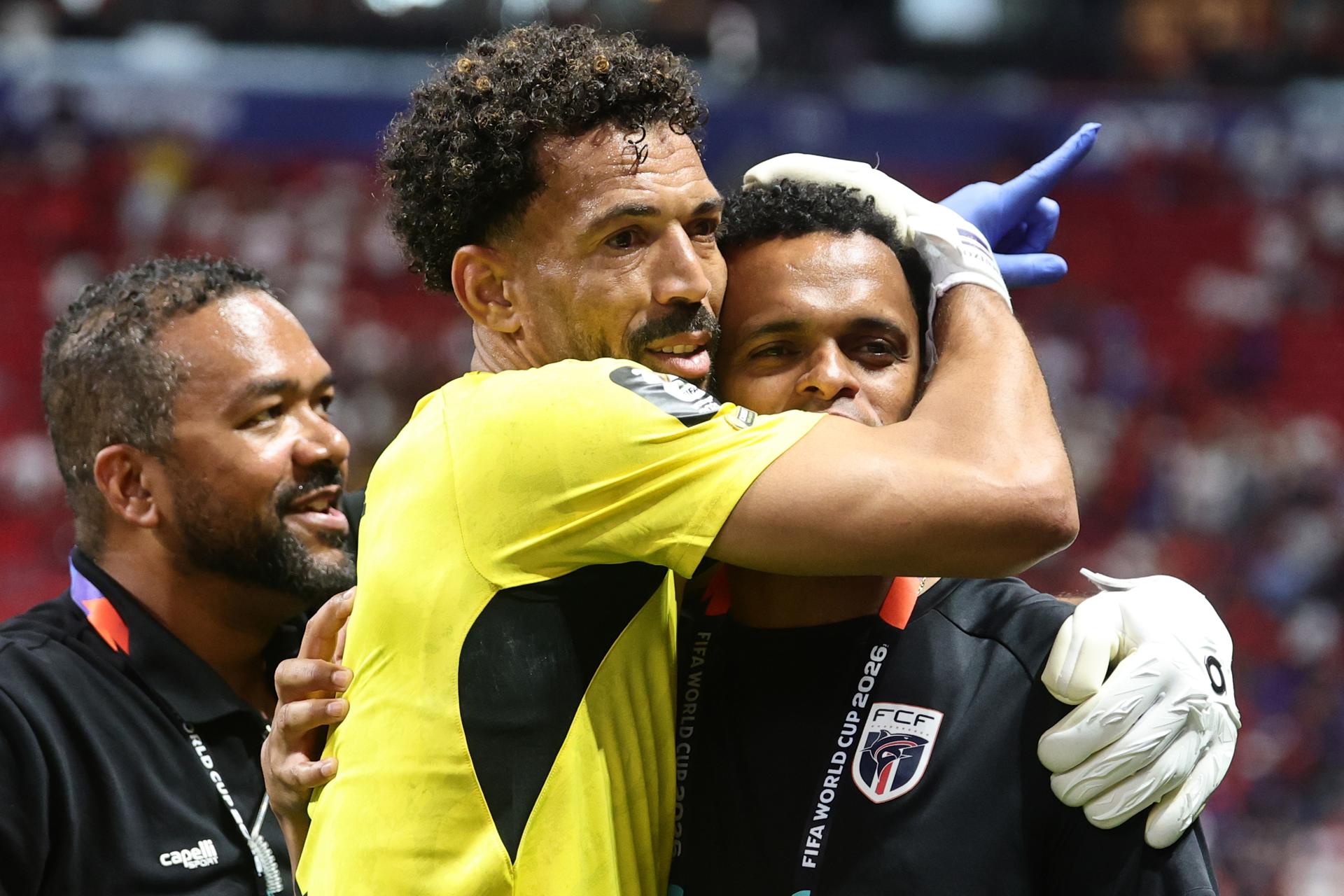
Indeed, Cape Verde stars in one of the most unexpected stories of the tournament. The Blue Sharks are competing in the first World Cup in their history and They surprised in their debut with a goalless draw against Spain.
The hero of that night was the veteran goalkeeper Vozinha (Josimar Dias), 40 years old. His interventions frustrated the Spanish attackers and turned the goalkeeper into a global sensation.
The impact was immediate. Before the game, Vozinha had less than 50 thousand followers on the social network Instagram. Just 48 hours after the historic tie, his account has exceeded 11 million, an unprecedented figure for a Cape Verdean footballer.
Pharaohs and Black Stars
Far from animalistic nomenclature, Egypt plays like the Pharaohs, a direct tribute to one of the most influential civilizations in history.
Ghana is known as the Black Starsan allusion to the black star that appears on its flag and that was adopted by the Pan-Africanist movement promoted by the historic independence leader Kwame Nkrumah, Ghana’s first president.
South Africa, finally, maintains the popular Bafana Bafana, an expression in the Zulu language that can be translated as “the boys” or “the boys.”
That name has accompanied the South African team since its return to international football after the end of ‘apartheid’ (the system of racial segregation imposed by the minority that governed South Africa from 1948 to the early 1990s).
The World Cup results will change in the coming weeks, but the nicknames will remain. Because behind every goal and every celebration, not only 10 African teams compete.
So do symbols that tell stories of ancient empires, legendary animals, political movements, diasporas and small Atlantic islands capable of making the entire world talk about a porter called Vozinha.