Any person who installs or acquires a mini fuel service station must begin the licensing process before the General Directorate of Hydrocarbons (DGH) and comply with the requirements established in the country, warned the Ministry of Energy and Mines (MEM) on their social networks.
The notice adds that the operation of these establishments without authorization is not legal and may represent risks.
Furthermore, when addressing the population, he states that when purchasing at a mini service station the vehicle’s engine is at risk, and warns that adulterated fuel can permanently damage it.
The MEM message, released this month, adds that mini mobile fuel stations do not have licenses to operate.
When the ministry was consulted about what happened currently to issue these warnings, the director of Hydrocarbons, Gerson de León, explained that ministations have been detected in Totonicapán, Huehuetenango, Quiché, San José Pinula and other points, which, he said, operate illegally by not complying with the Marketing Law and its regulations.
Therefore, the official indicated that the population must be warned about this issue, which may affect them directly or indirectly.
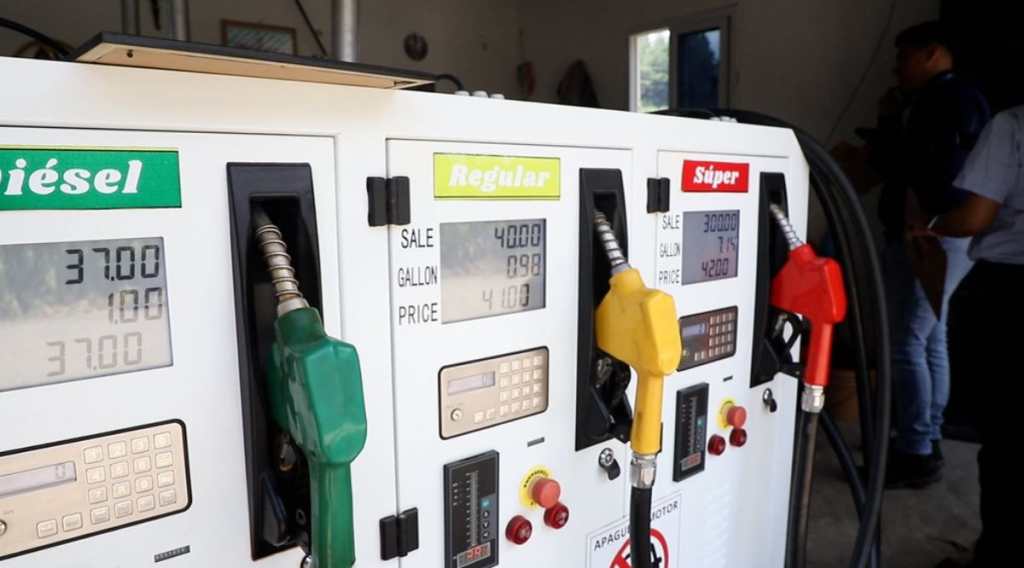
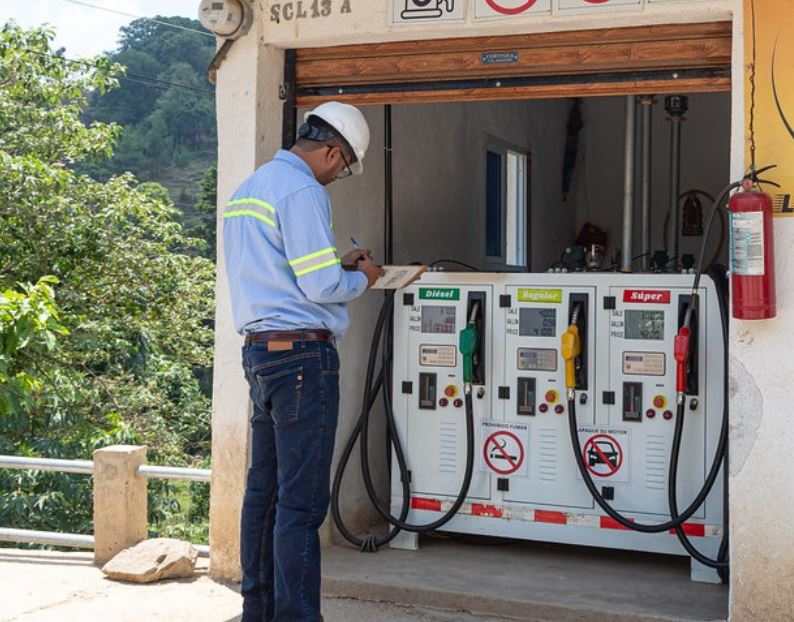
The director explained that mini-stations are fuel tanks with two or three compartments that supply fuel. He added that they currently operate without authorization and that they must approach the MEM to carry out the management and comply with the requirements of the law.
The notice on the MEM Facebook profile adds that mini fuel stations that operate illegally in Guatemala represent a risk to the safety of people, the environment and communities. In addition, the sale of fuels without complying with permits and technical standards can cause fires, explosions and pollution.
In January 2026, the institution had already issued a warning pointing out that these represent general risks because they evade controls, affect the environment and compromise security.
CONTENT FOR SUBSCRIBERS
While, in September 2025, the MEM spoke about the proliferation of this type of mini-stations; On that occasion he added that selling fuel without the requirements of the law is a crime.
At that time they were identified in Huehuetenango, Quiché, Chimaltenango and Guatemala, and it was mentioned that another factor of concern was the dubious origin of the fuel.
Among the non-compliance factors, it was mentioned that there are no industrial safety measures, they are outdoors, they can produce spills that damage the environment, cause explosions, the electrical installations are exposed and they do not have fire extinguishers. It was also indicated that vehicles could be damaged, since these fuels can contain water, metals and sand, which affects the quality of the product.
Complaints
Asked if sanctions or complaints have been filed, the director responded on Friday, June 26, through the ministry’s communication office, that regarding the complaints, the MEM cannot give more information so as not to interfere with the investigations.
The DGH reported in 2025 that it attended to several complaints about commercialization and that, when following up on them, it had the support of the Ministry of the Environment, the National Civil Police, the Municipal Traffic Police and municipalities. Due to what was detected on that occasion, the MEM presented complaints to the authorities so that they could carry out the corresponding investigations and responsibilities could be deduced.
Meanwhile, in 2024 it was revealed that Guatemalans from Chimaltenango, Sololá and Suchitepéquez were being victims of “unscrupulous people” who offer these mini mobile fuel stations without warning them that they operate illicitly. At that time, the DGH had not authorized any, so it urged people who used them as a business not to do so until they took the necessary steps to operate. In addition, he ordered authorized marketers to refrain from selling them fuel, since they were operating illegally, according to the bulletin issued by the MEM on that occasion.