
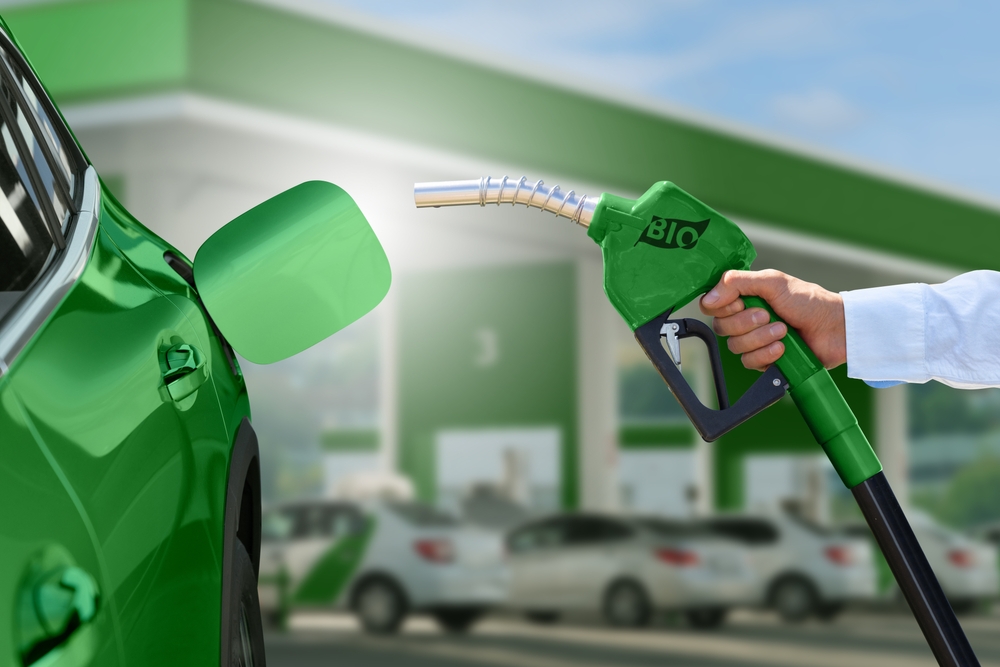
The deputy director of Hydrocarbon Marketing of the Ministry of Energy and Mines (MEM), Guillermo Xoy, reported that the mandatory mixture of 10% ethanol with gasoline has not yet begun in Guatemala and that its implementation remains scheduled for August 21.
He explained that originally that was the scheduled date to begin the process; However, a period of technical and operational preparation was subsequently established before supplying the consumer.
Xoy indicated that currently the MEM and the companies involved are developing a testing phase to guarantee that the fuel maintains the same quality that users receive.
Among the actions are the calibration of the equipment that will carry out the mixture, the verification of tanks, functional tests and the review of possible leaks, with the aim of ensuring that the superior and regular gasoline continue to meet the quality standards once the ethanol is incorporated.
The official emphasized that no service station dispenses gasoline mixed with ethanol. He explained that, for now, gas stations only clean their tanks to remove water and sediment, while transporters inspect their units and import terminals prepare the systems where the mixture of 90% gasoline and 10% ethanol will be carried out.
Finally, Xoy explained that the calibrations are carried out in the import terminals located in the Pacific and the Atlantic, which will be the only ones authorized to carry out the mixture before distributing the fuel to the service stations.
They support the implementation of E10
On June 30, the United States Embassy congratulated Guatemala for the gasoline and ethanol blending program (E10) and noted that the Trump Administration has actively promoted the opening of foreign markets to American ethanol.
He added that, as the United States is the world’s largest producer of ethanol, the E10 program in Guatemala creates direct demand for that fuel produced in that country. The diplomatic representation also indicated that it expects the program to come into force in August.
Also, the Coordinating Committee of Agricultural, Commercial, Industrial and Financial Associations (Cacif) expressed its support for the implementation of the E10 mandate and stated that strengthening the commercial relationship between Guatemala and the United States requires advancing the commitments assumed with a technical, responsible approach aimed at providing greater certainty to trade, investment and competitiveness.
The business organization pointed out that the development of the ethanol market represents an opportunity to diversify the energy matrix, reduce dependence on petroleum derivatives, attract new investments and generate environmental and health benefits. In addition, he indicated that the measure will contribute to the fulfillment of the trade commitments assumed by Guatemala.
The Cacif added that he will continue to monitor the implementation of trade agreements with the United States, particularly the E10 mandate, with the aim of contributing to a technical and orderly execution that strengthens the bilateral relationship and favors the development of the country.