
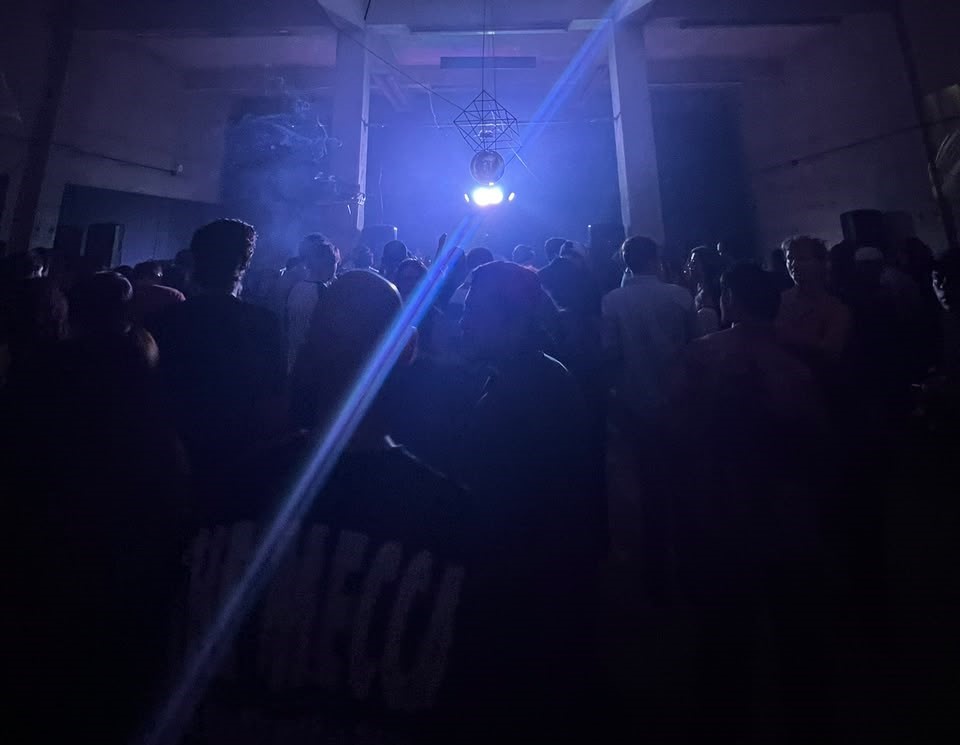
It is Thursday night, the last Thursday in June, the temperature has decreased compared to previous weeks, in which not even the wind made its way with the 20°C that the hot nights in the capital recorded. But neither the cold nor the heat have made the premises located on 9a. street in zone 1 lack groups of people excited to spend a few hours between drinks, music and dancing on the improvised dance floors of the establishments.
Two young women are talking at the door of a store at the entrance to Pasaje Aycinena, but without taking their eyes off the people who walk that street to “pull” them with the promotions they offer in the establishment. “On Fridays there are more people,” says one of them, and says that on Fridays and Saturdays all the places in the sector are very crowded: “People of all ages come, they are not minors, they come who are 19 or twenty-something years old, and also 40 years old or older.”
“We come often to spend some time after the office,” they say while drinking beers in one of the establishments, a group of five men chatting animatedly, while one or another sways following the rhythm of the music, at the other tables more people chat happily.
The night scene in the city is very active; According to the National Civil Police (PNC), there is a trend of sustained recovery since last year in the influx to establishments such as bars and nightclubs, between 15% and 20% increase compared to 2023, an amount that converges with the level of visitors in years prior to the covid-19 pandemic.
The authorities attribute this behavior to the economic recovery, the offer of events and the greater perception of security.
The PNC counts more than 1,200 establishments classified as discos, night bars and entertainment centers nationwide, but explains that only between 60% and 70% operate with all current permits. The department of Guatemala concentrates part of this nightlife offer in zones 10, 9, 4, 1, 11, 14, 17 and 18 of the capital, and in the municipalities of Mixco, Villa Nueva, San Miguel Petapa and Santa Catarina Pinula.
Environment for everything
Jairo Zepeda, technology entrepreneur and content creator, points out that the hotel area continues to contribute attractiveness to the Zona Viva, as the capital’s zone 10 is called for its wide range of nightlife; However, sites emerge with different entertainment proposals for new audiences and others that are renewed to continue with a presence within the public.
Zone 10 concentrates about half of the total establishments identified by the PNC in the department of Guatemala. There are places that have existed for several years and that have niche audiences that are looking for, for example, an atmosphere with electronic music, but other proposals also emerge on the terraces of the new shopping centers, says Zepeda.
Consumption spending to party in this sector ranges between Q300 and Q500 per person, he explains.
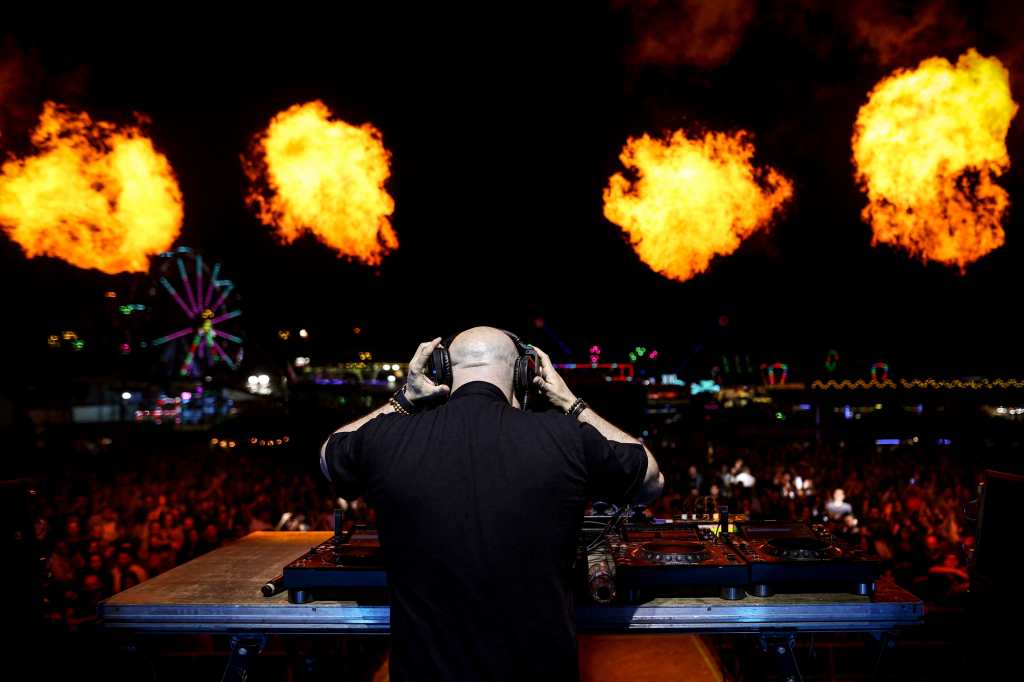
At night, a few meters from Avenida de La Reforma, in the streets surrounding the large hotels, you can see displays of men and women dressed in black, equipped with headphones and commands in hand, ready to receive orders to enter the nightclubs.
In a club there, about 150 people can gather in one night, says the person in charge of the entrance while smoking a cigarette and attentively observing what is happening in the block full of restaurants and passing vehicles.
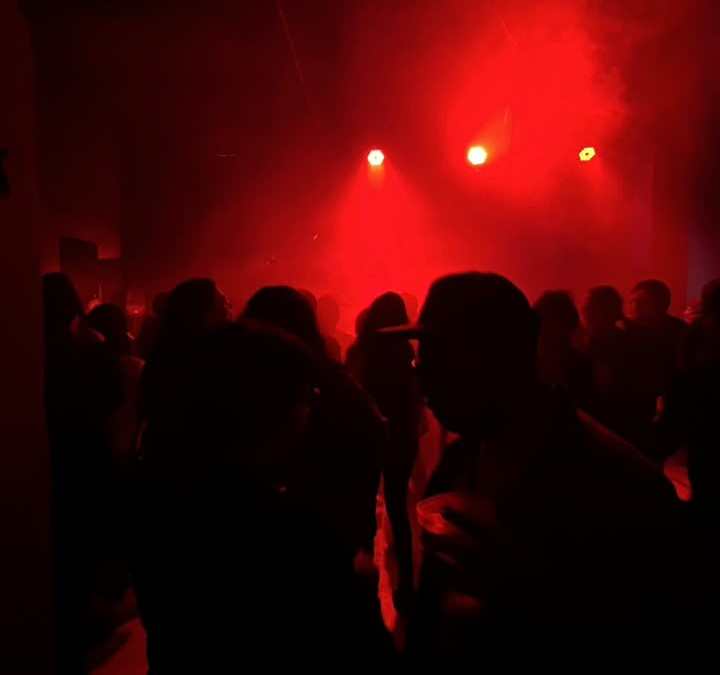
It is Friday night, little by little small groups of customers are arriving, who after requesting a batch of beers for Q200, present their personal identification document (DPI) and undergo a search at the door of the nightclub – to prevent them from entering with weapons or drinks, among other objects -, they cross the threshold of the venue full of lights and reggaeton sound that goes beyond the walls.
It is mostly young people between 21 and 30 years old who go to fashion establishments in the sector. While going down the steps that lead to another of the nightclubs, the security person smiles and from afar sees her colleagues who are in charge of taking orders and ensuring that no one enters without having requested a bucketful of beer or a bottle of liquor.
In another part of the city, in the area of Austríaco Boulevard and Cayalá – zone 16 – there are the most exclusive places to party, to the point that there are places that accept reservations and entry only if they are people known by the hosts of the place or who have been invited by those acquaintances, in addition, entry requires purchasing a bottle of liquor that can cost between Q800 and Q1 thousand. “These are places for people with a high purchasing power and it is not unusual to find bodyguards outside the establishment,” says Zepeda.
If the atmosphere you are looking for is more bohemian or rock style, zones 1, 4 and 11 are the most sought after and have renewed their offer. “In the Center there are places that continue, without the boom of a few years ago, and 4 Grados Norte – zone 4 – that is resurfacing with live music proposals.”
Zone 1 also offers places to dance to various music or watch shows that attract an audience willing to sing songs of styles from national rock, cumbias and boleros or rancheros.
Beyond the capital, Antigua Guatemala and El Paredón, Escuintla, are the most common destinations to go partying on weekends.
Risk mitigation
Whoever is not somewhere on Friday at 11 pm has already missed all the fun, says Zepeda, assuring that it is the peak of the night in the clubs.
The options after that time are to go home or look for after hours in places that remain “open behind closed doors” from 1 in the morning, when the prohibition hours begin.
Nightclubs check identification documents to prevent the entry of minors. In most cases, mainly the youngest customers, between 21 and 23 years old, leave around midnight because their budgets limit them and they must include the cost of the Uber service to get home, says the entry manager of an establishment in the Zona Viva.
Zepeda recognizes that nightlife does not escape the exposure of illicit consumption: “It is not that the places sell drugs, but those who consume take them for themselves and those who search know where they can find them,” he indicates. The PNC includes the “presence of weapons and drugs” among the causes for closing establishments.
More than 80 stores have been closed together with the municipalities in the last 12 months, due to the lack of a license to operate; sale of alcoholic beverages to minors; excessive noise in the neighborhood; non-compliance with legal hours, and lack of security measures and emergency exits, as reported by the police authority.
In this regard, the PNC reports that in 22% of the premises inspected, findings of illicit substances were found and 18% with irregularities such as intermediate points of criminal structures. These cases are referred to the competent authorities, but some results include the arrest of 126 people, the confiscation of assets for Q7.2 million and the dismantling of 14 illicit substance trafficking networks.
“There is more police control, especially regarding the entry of minors, which is not enough to prevent them from driving under the influence of alcohol,” says Zepeda. The problem is that everyone leaves at one in the morning, if they still have drinks they take them in plastic cups and that’s how they drive their vehicles, he adds.
Inside the nightclubs there are security officials who respond to outbreaks of fights or any other situation that affects the clientele, “their presence makes people calm down,” indicates the person in charge of entry. This does not mean leaving aside basic measures to reduce risks, including designating a responsible pilot; do not accept drinks from other people and observe when drinks are prepared; go to the bathroom with company, and avoid arguments that can lead to violence.
Last weekend, a man was murdered at the Duke nightclub in Ciudad Quetzal, San Juan Sacatepéquez, in an armed attack that left eight other people with serious injuries. The fact, investigated by the PNC and the Public Ministry (MP), shows the need to improve the control of these establishments, mainly on the outskirts of the capital city, which violate citizen security.
The greater police presence has allowed armed incidents to decrease by 18% in the period from 2025 to date, according to information from the PNC.
Few entertainment alternatives
Aimee Rodríguez, coordinator of the Education, Children, Adolescence and Youth Program of the Latin American Faculty of Social Sciences (Flacso), explains that in nightclubs aspects such as the consumption of drugs, alcohol and adulterated beverages converge that harm and expose young people to violent events.
The country does not have places for leisure and recreation as occurs in other nations where there are cultural and recreational activities promoted by the State, he says while suggesting the creation of spaces for musical programs, dance, theater, photography, reading and cinema, among other expressions.
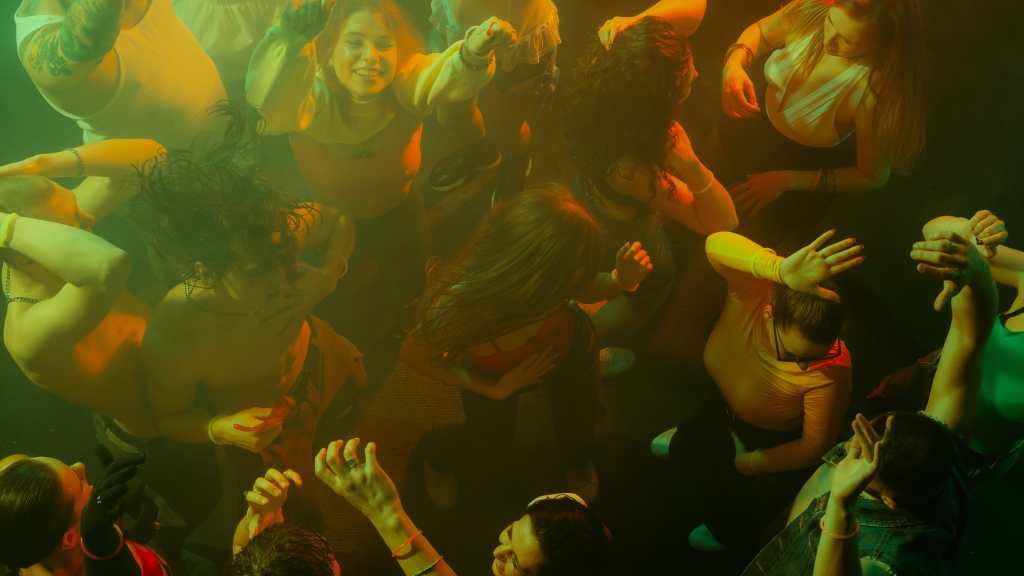
The spaces they have are exclusive places due to factors such as economic capacity, ethnic identity and distance from the departmental capitals, adds Rodríguez, who adds group pressure to the decision of young people to go to nightclubs because they are “fashionable”, as opposed to other activities that are considered old-fashioned or for older people.
The PNC is proposing reforms to improve controls such as the single license (municipality, Ministry of Health, firefighters and Ministry of the Interior); mandatory use of cameras with 30-day recording; certified security personnel; registration in a national digital database of the premises and background of the owners; annual inspection to renew permits; the joint liability of the owner against illegal acts due to lack of controls, and strict compliance with opening hours.
The history of criminal acts in bars, nightclubs and road incidents associated with alcohol consumption requires promoting changes to promote safer spaces and strict controls in order to guarantee the right to recreation that the entire society must enjoy.