
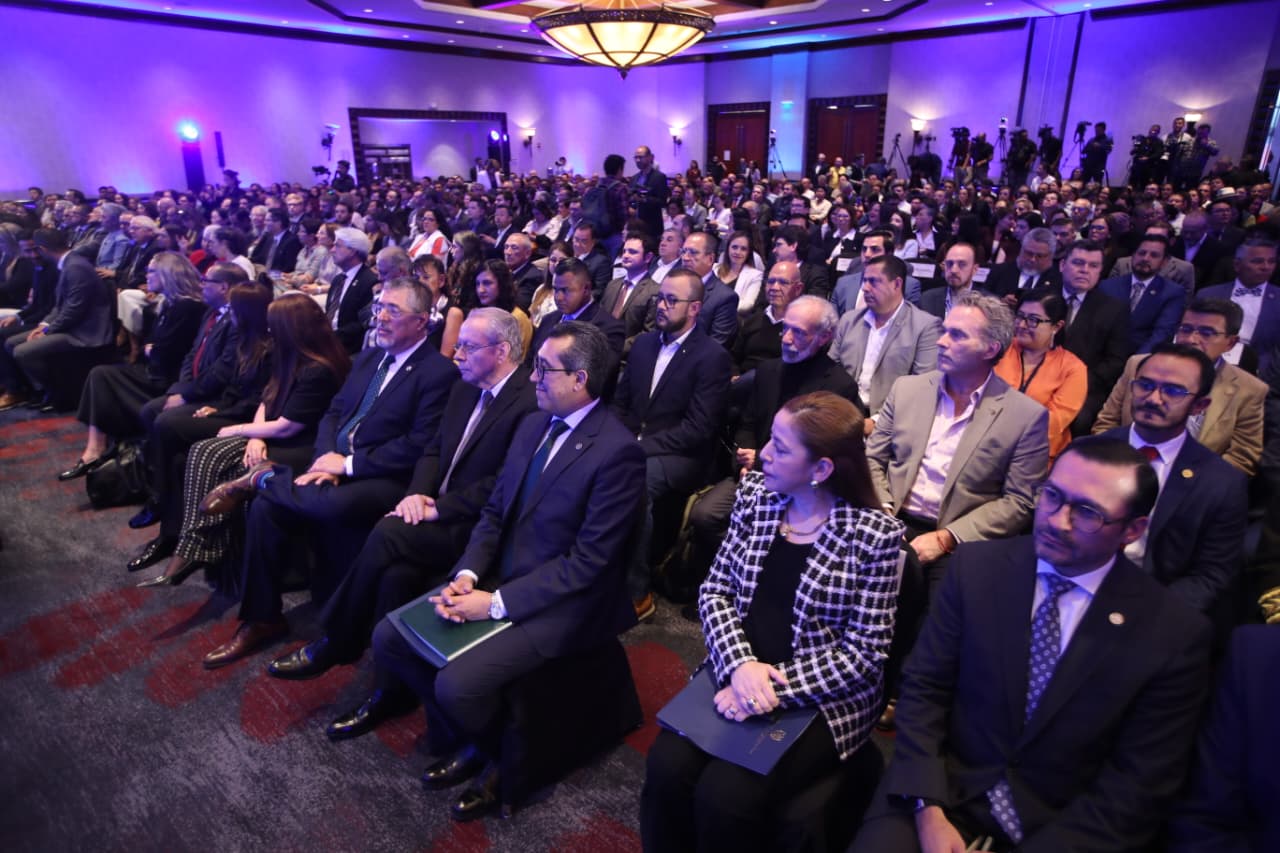
The erosion of the presidential figure began, according to analysts who see President Bernardo Arévalo as increasingly weakened, mainly due to his passivity on some current issues.
The most recent scenario is the current crisis at the University of San Carlos de Guatemala (Usac) and the allegations of alleged fraud in the election of the rector, an issue from which the Executive has kept its distance, instead, it has sought to approach other business circles.
But that has not been the only case that questioned the Executive’s vision. Other groups that were empathetic with Arévalo have withdrawn their support.
The 48 Cantons of Totonicapán, for example, which joined the 2023 social protests in defense of the electoral results, have already expressed some doubts about the Government’s performance.
Discontent with the decisions of the Executive also caused fissures in the official bench, which finally split and gave way to a new political force that is preparing as an electoral vehicle for the next general elections.
Presidential passivity
For Renzo Rosal, an independent political analyst, it is clear that Arévalo no longer has the support of the 48 Cantones of Totonicapán or the USAC students, because he has not been forceful in his decisions.
“This government has navigated with a rather timid agenda in cases where impunity is more than evident, I think that timidity is associated with wanting things to change with speeches or waiting for other instances to make decisions such as the Constitutional Court,” he said.
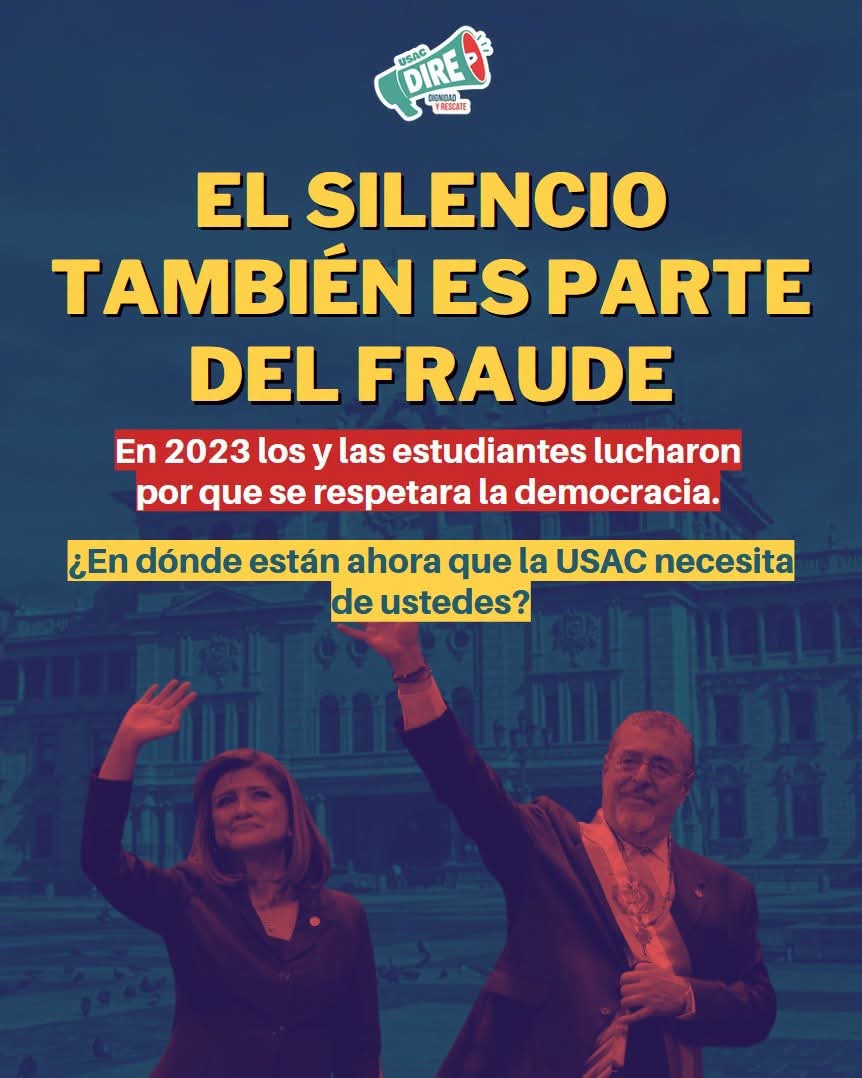
With the case of the USAC, Rosal highlights that there were some comments from the president, but he emphasizes that they were born from the same social pressure that exists around the university.
“The Executive is waiting for the reaction of others and not trying to use the power vested in it; some sectors even asked in advance for an intervention in the USAC,” he recalled.
Greater distance
The distance that some sectors have with the Arévalo government will be greater, according to the analysis of Jahir Dabroy, a member of the Association for Research and Social Studies (Asies), who attributes this to the future elections of 2027.
“We are in a pre-electoral year and now returning from the legislative recess it is very likely that each time the figure of the president will be minimized, even pushed aside, removed from various spaces,” he said.
For the expert, this was the moment for the president to consolidate support, but with what has been seen in the first years of government, it seems that it was an opportunity that he did not take advantage of.
“In politics we must even talk about loyalties, but many actors and sectors feel that the presidential administration has been quite far from agreeing on this type of spaces and the USAC is no stranger, there are even statements that affirm that there are spaces of collusion to keep Mazaregos,” he indicated.
New allies?
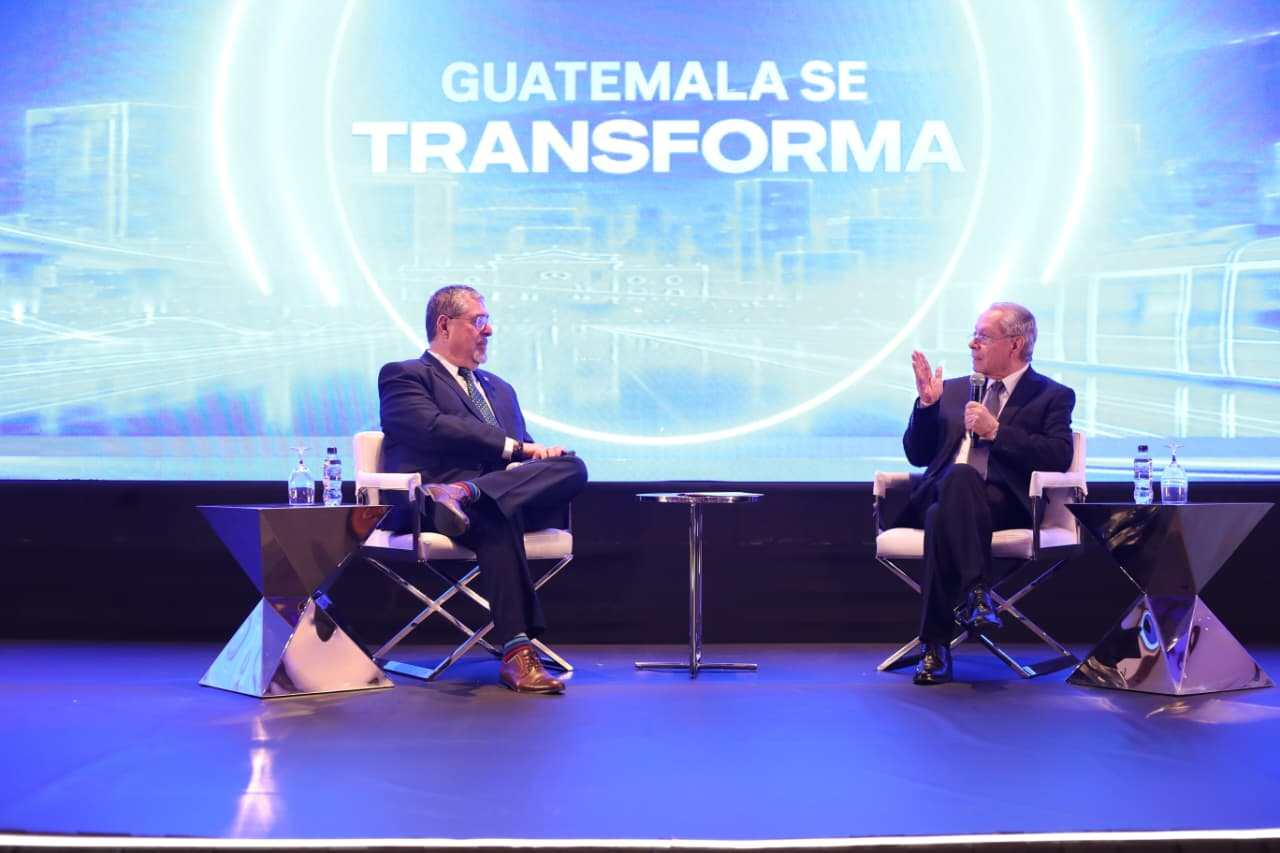
The president must look for new allies, and the private sector could be a strategy, according to the presidential agenda in recent weeks.
For Rosal, there could be mistakes when betting on projects that still raise questions about their viability.
Dabroy is more skeptical and warns that the rapprochement with the business sector could not necessarily be solid, because “they are not natural allies, in ideological terms we have to remember how Semilla came to Congress.”
Dabroy goes further and warns that the rapprochement with the private sector could be more due to a political decision to maintain a good relationship during the end of his mandate, without this meaning an eventual support for a political proposal for continuity.
Christa Walters, from MCN, however, sees it as normal for the Executive to approach the private sector, in an effort to find new allies.
“No government can depend only on the coalition that brought it to power; it must always seek larger majorities to promote policies or legal initiatives; that means incorporating other interlocutors, even if that means distancing themselves from some,” said the president of MCN.
They are within their rights
The Government of Guatemala, through the Communication Secretariat of the Presidency, regarding the alleged distancing of related sectors, identified by analysts, said that “they have the right to express disagreement,” while ensuring that the objectives that brought them to the Presidency are maintained.
“The changes that our government continues to promote are a reflection of the social and general support that led us to the electoral victory of 2023. The progress in the installation and management of a State co-opted and heavily damaged by decades of abandonment, has not been devoid of challenges, and civil society organizations are within their full right to express disagreement with the difficult decisions that are made every day,” responded the Executive.
He adds: “What is fundamental for us is to incorporate criticism to work in a better way and never lose the ethical direction that has remained intact since 2023: to make the lives of Guatemalan families improve substantially.”