
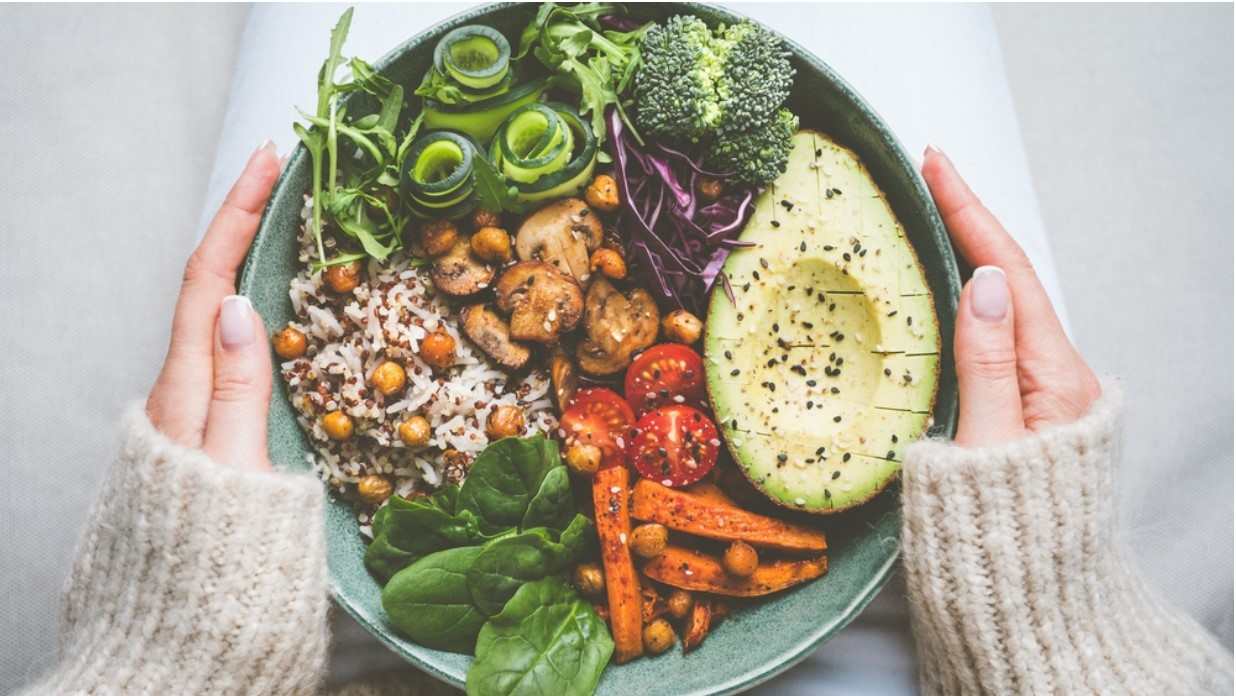
Decades of research, including rigorous clinical trials and large-scale population studies, have shown that this diet offers a wide variety of health benefits.
Scientists have found that people who follow the principles of the Mediterranean diet have better cardiovascular health, lower rates of cancer and type 2 diabetes, and a lower risk of premature death.
There are many reasons for this. The Mediterranean diet is packed with fiber-rich vegetables that reduce inflammation, improve artery health, and lower blood pressure and blood sugar levels.
It contains lean proteins such as fish and poultry, which promote satiety and help you lose weight. In addition, it includes essential nutrients that our body needs but cannot produce, such as omega-3 fatty acids, which are beneficial for the brain, eyesight and heart.
In one of the largest nutrition clinical trials ever conducted, Spanish scientists recruited about 7,400 adults at high risk for cardiovascular disease and assigned them to one of three diets: a standard low-fat diet; a Mediterranean diet supplemented with large amounts of olive oil; or a Mediterranean diet supplemented with large amounts of mixed nuts.
After almost five years, they discovered that people who followed the Mediterranean diet suffered approximately 30% fewer heart attacks and strokes.
Other studies have found that following the Mediterranean diet can be very beneficial for brain health: it is associated with a lower likelihood of developing cognitive decline, dementia, and Alzheimer’s disease.
An eating pattern
Perhaps the most impressive thing about the Mediterranean diet is that there are countless ways to follow it. This diet is an eating pattern inspired by the traditional cuisines of the countries surrounding the Mediterranean Sea, and hundreds of ingredients conform to its principles.
“It’s not really a diet. It’s a style of eating that prioritizes minimally processed, plant-based or plant-dominated foods,” explained Katherine D. McManus, chair of the Department of Nutrition and director of the dietetics internship program at Brigham and Women’s Hospital, a teaching center affiliated with Harvard Medical School.
“It can be easily adapted to many other cuisines, including those consumed in the United States, since many cuisines around the world are rich in plant-based foods.”
In other words, you can apply the principles of this diet to dishes from around the world, whether curries, tacos, or stir-fries.
The fundamental principles of the diet
The World Health Organization, the Harvard School of Public Health, and Oldways, a nonprofit organization that promotes traditional diets, collaborated to create a pyramid that illustrates the principles of this diet. These are the basics:
- Eat these foods daily: legumes, fruits and vegetables, whole grains, herbs, spices, nuts and seeds. These foods should be the base of your meals. Cook mainly with extra virgin olive oil. “Try to make half your plate vegetables at lunch and dinner,” McManus said. Experiment with different whole grains, such as bulgur, amaranth, and farro, and whole-grain and legume pastas. Try eating nuts as a snack and include them in your meals. “Nuts and seeds are an important part of traditional Mediterranean cuisine,” McManus said.
- Eat these foods twice a week: fish and other seafood, such as salmon and shrimp. Canned or frozen salmon can be a practical and economical option.
- Eat these foods in moderate portions, about once a day or once a week: eggs, poultry and dairy products, especially fermented dairy products such as yogurt and kefir.
- Eat these foods in moderation : red meats and sweets. “Use the meat more as a side dish than as a main course,” McManus said. If you have a sweet tooth, try eating fruit instead of candy and other sweets.
- Drink mostly water. Avoid sugary drinks and prioritize water, coffee and tea. Wine can be consumed in moderation and usually only with meals.
CONTENT FOR SUBSCRIBERS
Five Easy Meals to Add to Your Diet
Consider incorporating some of the following recipes into your weekly menu. Each one includes ingredients that are the basis of the Mediterranean diet.
- Avocado Tacos with Black Bean Pico de Gallo: Made with corn tortillas, a whole grain, these avocado and black bean tacos are an easy way to consume more fiber and plant foods. If you like spicy, don’t skip the chili. Some studies suggest that spicy food could contribute to greater longevity.
- Greek-Style Shrimp Stir-Fry with Tomatoes, Spinach, and Feta Cheese: This recipe offers you lots of flavor and nutritious ingredients. Includes delicious and nutritious ingredients such as chopped tomatoes, feta cheese, garlic, parsley, dill and spinach.
- Spanakopita Beans: This recipe is a favorite Mediterranean-inspired meal. It’s quick, tasty and has many economical and nutritious ingredients. In addition, it is rich in protein and fiber thanks to the beans. You can use any type of bean you prefer, such as a combination of navy beans and sea beans.
- Simple lentil curry: Red lentils cook quickly and are rich in iron. This dish is also enriched with nutrients thanks to frozen peas, brown rice and spices, which provide polyphenols, beneficial plant compounds that promote intestinal health.
- Salmon Shawarma Salad: This simple recipe combines roasted salmon, rich in heart-healthy omega-3s, with fresh vegetables and a creamy Greek yogurt sauce.