He Palm Sunday marks the beginning of the Easter week For the Catholic religion. From this date, The path of Jesus begins to be remembered to the cross.
Holy Week It is one of the most significant times for the Catholic faith, when processions, sawdust carpets and Religious ceremonies They transform the streets into a scenario of devotion.
However, together with these entrenched traditions, Myths and superstitions persist that, although they lack doctrinal foundation, have endured in popular culture.
One of the most curious is the belief that football should not be played during Holy Week, especially Good Friday. Where does this idea come from?
Why don’t you play football during Holy Week?
According to oral tradition, kicking a ball during these days – specially on Good Friday – is like “kicking the head of Christ.” This analogy seeks to emphasize respect for the suffering of Jesus on his way to Calvary.
Although The Catholic Church does not explicitly prohibit this activity or any other sports practice during the major week, Many families and communities avoid noise or competitive games as a sign of recollection.
In some areas with strong religious influence, it is common to see empty courts during the Pascual Triduum (Thursday, Holy Friday and Saturday). However, among the new generations, this custom has lost strength and football is still part of entertainment in rest days.
Other myths and superstitions of Holy
In addition to the belief that there is restriction on football, there are other popular thoughts that, although they do not have a biblical basis, are part of the traditions surrounding the major week:
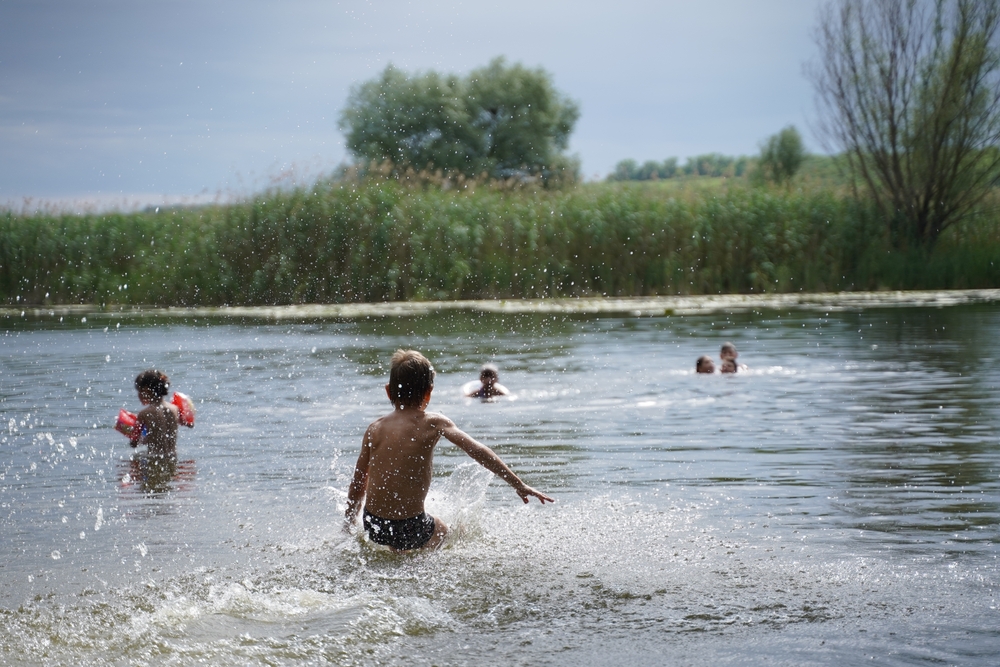
1. Do not bathe on Good Friday
In some regions, it is believed to bathe in rivers during Holy Week can transform the person into a fish. This superstition, without scientific or religious foundation, probably arose to prevent accidents in dangerous waters.
There is even one Holy Week Legend that talks about the sirens of Good Fridayin which it is said that God turned into a stone siren to a beautiful woman from a small town in Retalhuleu for having violated the prohibition of batheing that day, due to the death of our Lord Jesus Christ.
2. The red color attracts the devil
Dressing red these days is associated with sin and temptation, linking color with the devil. Although there is no Catholic teaching that supports it, many people prefer to avoid striking tones by caution.
3. Do not listen to music
Some believers avoid listening to music that is not religious, especially genres such as rock or reggaeton, to maintain an environment of reflection. However, the Church does not prohibit music, although it recommends prioritizing prayer.
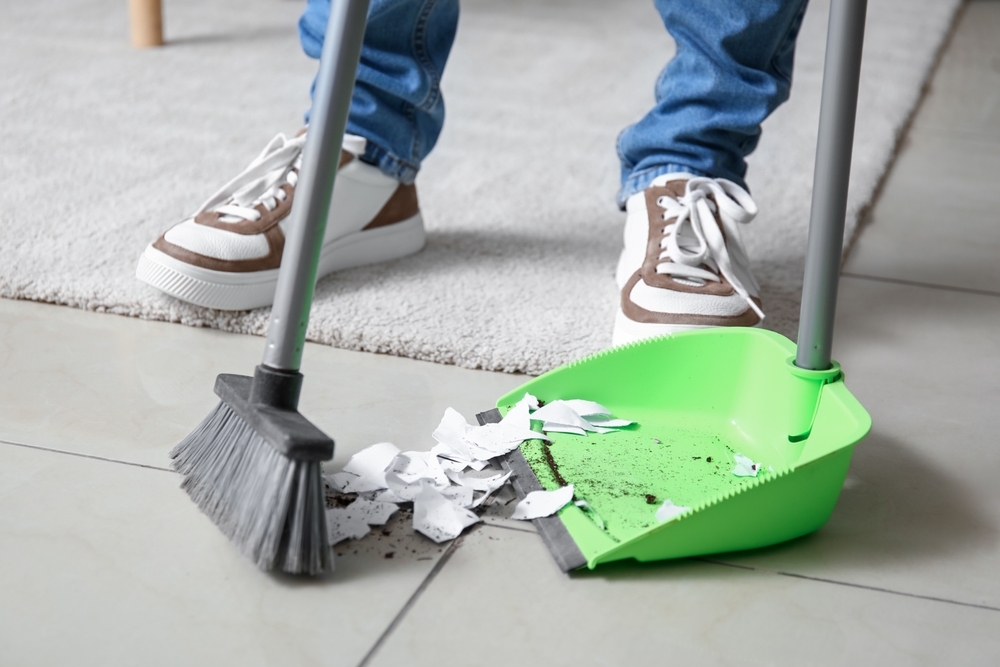
4. Do not sweep or nail on Good Friday
It is said that sweeping that day is like “sweeping the face of Christ”, and nailing something evokes the crucifixion nails. These symbolic interpretations do not have theological basis, but reflect the desire to respect Jesus’ pain.
5. Do not leave after 3 pm (the time of Christ’s death)
An ancient belief warns that going out at that time can attract divine anger, causing rains or misfortunes. Actually, it is a superstition without religious foundation.
6. Do not cut your hair or nails
Some think that “cuts the body of Christ”, while others believe that cutting their hair on Good Friday ensures capillary health all year. None of these ideas have livelihood in the Catholic faith.
7. Do not work on Thursday and Good Friday
Although these days in Guatemala are official rivers, the idea of not working comes from the tradition of dedicating them to prayer. However, at present, many people must work for practical reasons.