
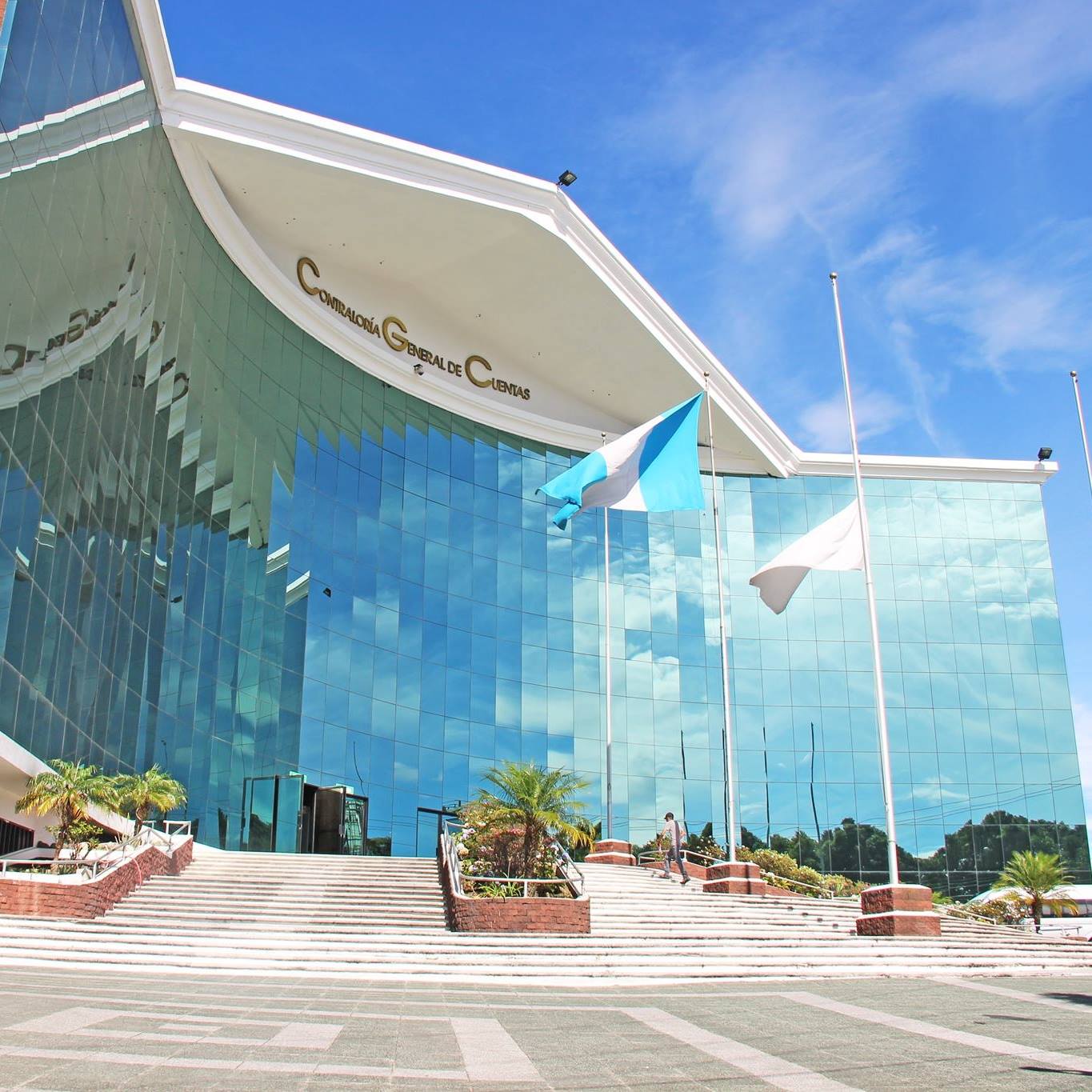
The control that some political forces seek to have in the nomination committee for Comptroller General of Accounts will be defined on August 6, with the election of its last 11 members.
This is reported by organizations that observe the process while identifying challenges for the election of the head of the Comptroller General of Accounts (CGC) for the period 2026-2030.
The commission already has a president and the 13 deans of the universities are known. One of the two professional associations with space on the commission has already elected its two representatives, but that integration still does not reflect a dominant group.
The postulator’s task is to call the professionals interested in directing the CGC, review their files and rate them. Finally, they will prepare a list with the best six candidates that will be sent to Congress.
The CPA has 121 candidates grouped into 11 slates, some of which have direct political support from union leaders or social movements.
Others maintain unclear links and although they have not been confirmed by those involved, some sources relate them to the highest authorities of the USAC, politicians and operators.
🇬🇹𝗘𝗟𝗘𝗖𝗖𝗜𝗢𝗡 𝗗𝗘 𝗖𝗢𝗡𝗧𝗥𝗔𝗟𝗢𝗥 𝟮𝟬𝟮𝟲
With the election of the 2 representatives of the CCEE, the integration of the Comptroller General of Accounts nomination committee is updated, period 2026-2030.
👤 Meet the 16 elected members.
📌 Remember to inform yourself… pic.twitter.com/MOINZ7PFzM
— Guatemala Visible (@guatevisible) July 18, 2026
Control over the candidate would be achieved through the participation of trusted or related people to influence decision-making and advance the favorite candidates towards the list of six candidates.
The president of the commission is the rector Miquel Cortés, of Universidad Rafael Landívar (URL), elected by the Forum of Rectors after a series of lobbying in which Walter Mazariegos, rector of the USAC, was promoted to occupy that position.
USAC and universities
The acting dean of the Faculty of Economic Sciences of the USAC, Byron Mejía, will participate in the nomination committee. who, according to sources close to the USAC group, Dignidad y Resistencia (USAC-DIRE), is linked as one of Mazariegos’ allies.
The possible links of the rector of the USAC with the Juan José Arévalo Bermejo University, who participates for the first time in nomination committees, would ensure a second vote through its dean, Silvia Duarte.
This new university has Adelupe Reyes as dean of Law, who during her student days supported Mazariegos’ first election.
That closeness allowed Reyes a job in the legal department of the USAC and she was later named as Mazariegos’ substitute in the nomination of the Supreme Electoral Tribunal.
The Juan José Arévalo Bermejo University does not have a contact telephone number on its website and its rector resigned. so there is no direct channel of communication.
Another university that also participates for the first time in the nominations is Universidad Americana, house of studies that some observers still give the benefit of the doubt.
However, they are concerned that this higher education center was authorized when Mazariegos presided over the Private Higher Education Council (Ceps).
Authorities at the American University have declared that their objective is not to occupy a seat for the second degree elections and assure that they maintain a strictly academic vision.
Election of the CCEE
The College of Economists, Public Accountants and Auditors and Business Administrators (CCEE) elected its two commissioners, one of them with a possible relationship to the USAC, according to a report prepared by Movimiento Projusticia.
The organization attributes to the elected commissioner, Juan Alexander Sac Oroxom, from Form 1 of Professional Growth of Auditors (CPA), an alliance with several political actors, including Mazariegos.
“This list is linked to the alliance that Walter Mazariegos, the financier Gustavo Alejos and the deputy Duay Martínez have forged,” the report indicates.
📋𝗥𝗘𝗦𝗨𝗠𝗘𝗡 𝗜𝗡𝗙𝗢𝗥𝗠𝗔𝗧𝗜𝗩𝗢
More than 900 active CCEE public accountants and auditors voted in the election of 2 representatives for the comptroller nomination committee.
📌 Find out more information in our final summary.#EleccionComptroller2026… pic.twitter.com/QTHNvInAvw
— Guatemala Visible (@guatevisible) July 20, 2026
According to the records of the Projusticia Movement, the elected commissioner provided advice in ministries from 2017 to 2019 and worked in Congress in 2020, during the first year of Alejandro Giammattei’s government.
Among the support identified in favor of this plan, the organization highlights Luis Suarez, former dean of the Faculty of Economics at USAC and former vice-presidential candidate for Vamos in the 2023 elections.
Deputy Martínez has denied support for any form and stated that it is only up to the deputies to participate in the process when they receive the list of six candidates for Comptroller.
On the USAC side, there is no communicator who serves as a liaison with the press, or at least not with all the media, which makes it difficult to have the rector’s version of this type of process.
The question about his interest in influencing the candidate was one of the questions that was expected to be asked of Mazariegos during the election of the president of the commission, but he did not attend, even though he had announced his participation.
CPA will be key
The lack of a dominant group in the CGC bid, in the opinion of observers, can allow for a balanced table, without one sector controlling decision-making, which they see as positive for the process.
If any political force predominates, they envision a scenario that is not very encouraging for the process, since unlike other processes, the renewal of the comptroller is not usually so “eye-catching” for citizens.
“Now it’s time for them to run a good campaign, for the honest ones to get closer to the voters, it is important that a good bloc be formed that can serve as support and support for the president, for Father Miquel,” said Juan Pablo Muñoz, of Alianza por las Reformas.
Due to the number of groups that are seeking to influence it, Muñoz believes that no ballot will be able to have more than three votes, something that he believes can maintain balance as long as there is participation at the polls.
Christa Walters, president of the National Civic Movement (MCN), calls for evaluating each form and each candidate, to issue alerts and avoid surprises at the time of the election.
“This whole dispute over the candidates is for the last 11 places, I think that now we should pay attention to who these professionals are, because unlike other commissions, this association is not known as the bar association,” he indicated.
After August 6, whenever the election of commissioners concludes, the plenary session of Congress may call the professionals to their swearing-in so that they can begin their work sessions.